Azerbaijan's Climate Pivot: Balancing Hydrocarbon Legacy with Methane Reduction and Green Energy Growth
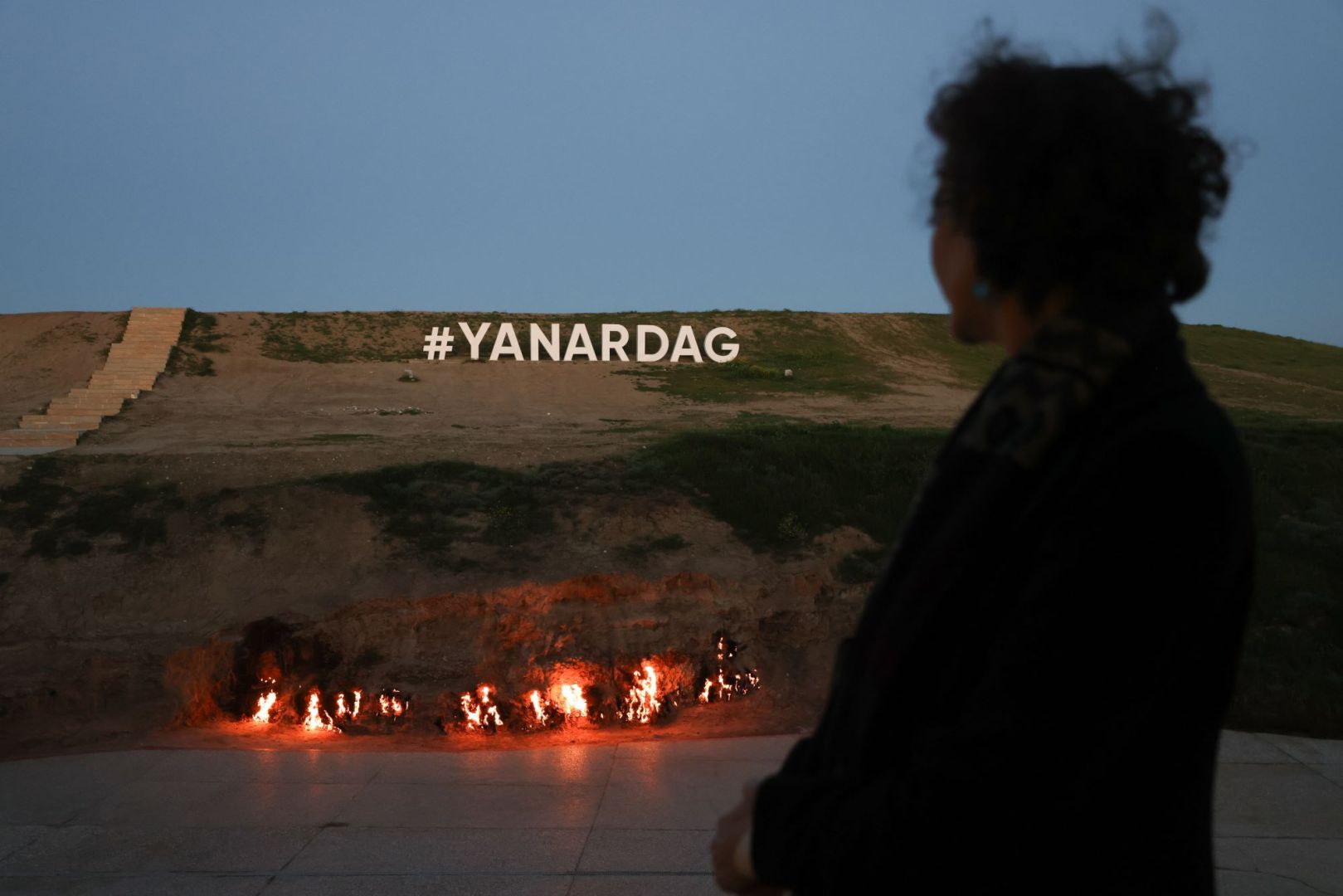
As the world observes World Environment Day on June 5, Azerbaijan takes center stage in the fight against climate change. With its legacy tied to hydrocarbons, the country is making significant strides in reducing methane emissions and embracing green energy. Known historically as the 'Land of Fire,' Azerbaijan's geological richness and dependence on oil and gas have long defined its identity.
A more complex and increasingly urgent environmental challenge is the issue of methane emissions. According to the United Nations Environment Program (UNEP) report, methane is responsible for roughly one-third of current global warming. Although it remains in the atmosphere for a shorter time than carbon dioxide, it is significantly more potent in trapping heat. This makes methane reduction one of the fastest and most effective ways to slow near-term climate change.
Azerbaijan's oil and gas sector is among the oldest in the world, with much of its onshore infrastructure dating back to the Soviet period. This legacy created a structural emissions problem, with some facilities originally designed with venting practices and others operating with outdated pipelines, seals, and compressors prone to leakage. However, in 2024, the State Oil Company of the Republic of Azerbaijan (SOCAR) announced an ambitious program aimed at significantly reducing methane emissions within the next decade.
The initiative relies on a combination of satellite monitoring, drone-based detection, gas-imaging cameras, and artificial intelligence systems that analyze operational data to identify potential leaks. SOCAR's approach reflects a broader shift in the global energy industry toward data-driven emissions management. The company plans to expand drone monitoring across 80 facilities, both onshore and offshore, and to complement this with ground-level detection systems for more granular inspection.
A significant driver of change is external regulation. In 2024, the European Union adopted methane-related import requirements that will take effect in 2027, requiring oil and gas suppliers to comply with measurement, reporting, and verification standards aligned with the OGMP 2.0 framework. For Azerbaijan, early alignment with these standards may provide a competitive advantage in maintaining access to European markets while avoiding future regulatory disruptions.
Hosting COP29 placed Baku at the center of global climate diplomacy, accelerating the country's domestic environmental commitments. President Ilham Aliyev has stated that the goal of a clean environment and a 'green growth' country has been identified as one of the five key national priorities for Azerbaijan's socio-economic development through 2030. Targeted efforts are being undertaken to enhance green spaces and forest areas, ensure the efficient use of water resources and sustainable energy sources, and establish modern infrastructure for waste management.
If successful, SOCAR's approach could position Azerbaijan as an unexpected case study in how legacy oil-producing states adapt to modern climate constraints. Azerbaijan's momentum could serve as a powerful catalyst for the broader, petroleum-rich region. The Baku model demonstrates that even when saddled with complex industrial legacies, a combination of political will, technological innovation, and regulatory alignment can drive meaningful change.
Azerbaijan's journey towards a more sustainable future is not without its challenges. The country must balance its economic interests with its environmental commitments, all while navigating the complexities of global climate governance. However, with its rich history, cultural heritage, and natural beauty, Azerbaijan is poised to become a leader in the region's transition to a low-carbon economy.
In conclusion, Azerbaijan's efforts to reduce methane emissions and transition to green energy are a testament to the country's commitment to addressing climate change. As the world continues to grapple with the challenges of global warming, Azerbaijan's story serves as a powerful reminder that even the most unlikely of countries can become a beacon of hope for a sustainable future.
Summary Points
Azerbaijan is making significant strides in reducing methane emissions and embracing green energy, with a goal of becoming a 'green growth' country by 2030.
The country's oil and gas sector is among the oldest in the world, with a legacy that has created a structural emissions problem.
SOCAR's initiative to reduce methane emissions relies on a combination of satellite monitoring, drone-based detection, and artificial intelligence systems.
Azerbaijan's early alignment with EU methane-related import requirements may provide a competitive advantage in maintaining access to European markets.
The country's transition to a low-carbon economy will require a balance between economic interests and environmental commitments, as well as navigation of global climate governance complexities.