Communities in Crisis: Democrat-Led States Face Unprecedented Delays in Federal Disaster Relief
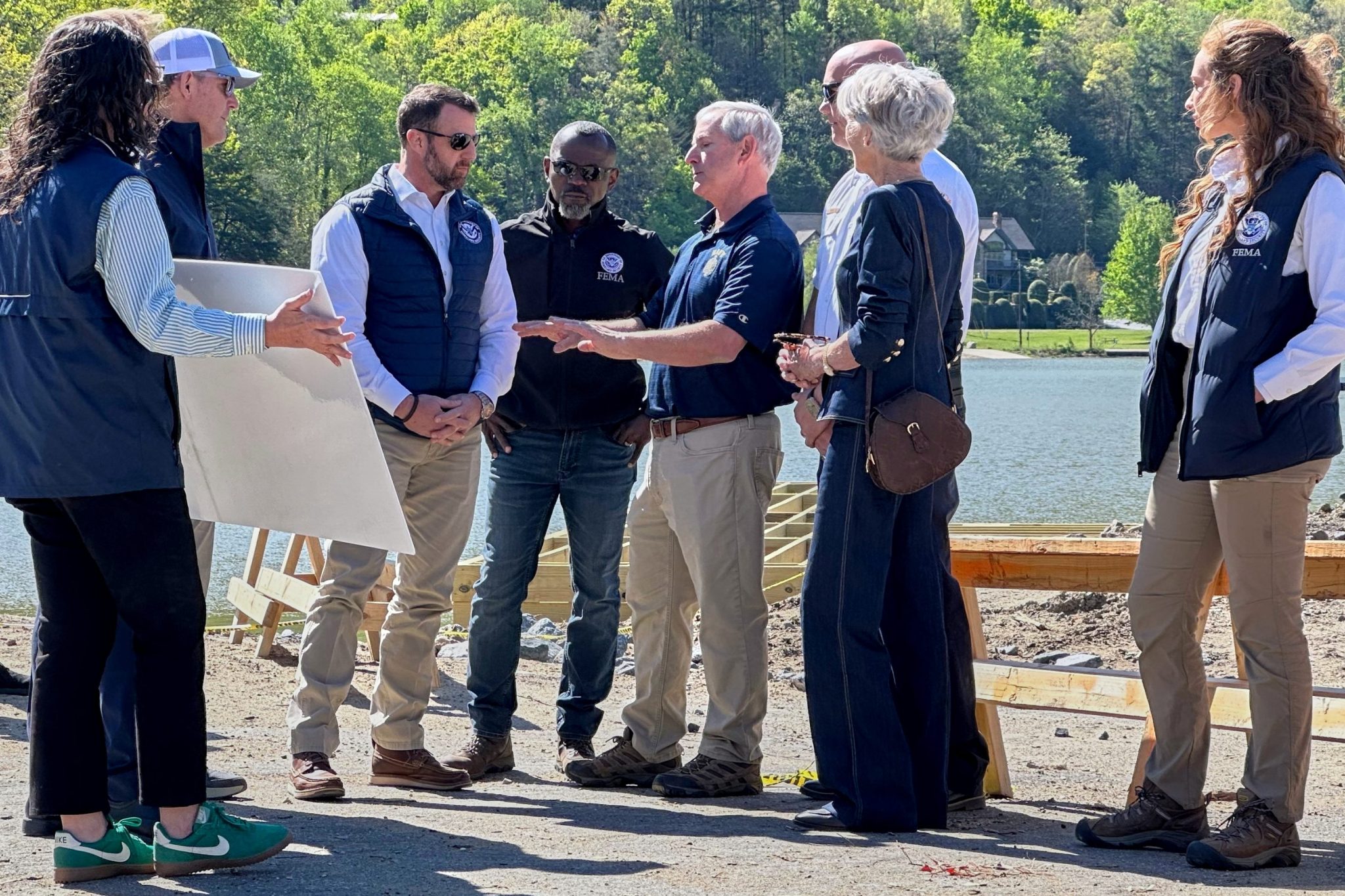
As the United States grapples with an increasing frequency of extreme weather events, some communities are facing unprecedented delays in receiving federal disaster relief. Democrat-led states, in particular, claim they are being denied the support they desperately need. The Federal Emergency Management Agency (FEMA) has approved major disaster declaration requests for at least seven states, but approximately 15 requests from other states and tribes remain pending, along with three appeals of previous denials.
The affected states, including Alaska, Idaho, Montana, Oregon, South Carolina, South Dakota, and Washington, can now access federal support and funding for recovery needs such as public infrastructure repairs and aid for survivors. However, the delay in approving these requests has raised concerns about the impact on communities that have been devastated by disasters. The ongoing DHS shutdown, now eight weeks long, has further exacerbated the situation, as disaster response and recovery efforts continue despite the funding impasse.
Newly appointed Homeland Security Secretary Markwayne Mullin has vowed to speed up work on past disasters in the run-up to Atlantic hurricane season. Mullin's announcement comes weeks into his tenure overseeing the disaster relief agency and may signal a shift in the agency's approach under his leadership. Despite this, the ongoing DHS shutdown poses a significant threat to FEMA's ability to respond to disasters, as the agency's Disaster Relief Fund is running low.
The recent approvals and pending requests highlight the critical role that FEMA plays in supporting communities affected by disasters. The agency's disaster declaration process is designed to provide federal assistance to states and local governments, helping them to respond to and recover from disasters. However, the process can be complex and time-consuming, and delays can have severe consequences for affected communities. As the frequency and severity of extreme weather events continue to increase, the need for efficient and effective disaster relief efforts has never been more pressing.
Democrat-led states have been vocal about their concerns regarding the delay in receiving federal disaster relief. These states argue that they are being unfairly denied the support they need, which has significant implications for their ability to respond to and recover from disasters. The disputes over disaster relief funding have become increasingly partisan, with Democrat-led states claiming that they are being unfairly targeted by the current administration. As the situation continues to unfold, it remains to be seen how the federal government will respond to the needs of affected communities and address the ongoing challenges in disaster relief efforts.
The history of disaster relief efforts in the United States is complex and multifaceted. FEMA was established in 1979 to coordinate federal disaster relief efforts, and since then, the agency has played a critical role in responding to and recovering from disasters. However, the agency has faced numerous challenges over the years, including funding constraints, bureaucratic red tape, and criticism over its response to high-profile disasters such as Hurricane Katrina. As the United States continues to grapple with the impacts of climate change, the need for effective disaster relief efforts has never been more pressing.
In conclusion, the delays in federal disaster relief efforts have significant implications for communities affected by disasters. As the situation continues to unfold, it is essential that the federal government takes a proactive and comprehensive approach to addressing the needs of affected communities. This includes providing timely and adequate funding, streamlining the disaster declaration process, and ensuring that all states and communities receive the support they need to respond to and recover from disasters.
Summary Points
Approximately 15 requests for federal disaster relief from states and tribes remain pending, along with three appeals of previous denials.
Democrat-led states claim they are being unfairly denied federal disaster relief, which has significant implications for their ability to respond to and recover from disasters.
The ongoing DHS shutdown poses a significant threat to FEMA's ability to respond to disasters, as the agency's Disaster Relief Fund is running low.
The federal government has approved major disaster declaration requests for at least seven states, including Alaska, Idaho, Montana, Oregon, South Carolina, South Dakota, and Washington.
The need for efficient and effective disaster relief efforts has never been more pressing, as the frequency and severity of extreme weather events continue to increase.
