Fuel Crisis Engulfs Hungary: Gas Stations on Brink of Collapse Amid Middle East Conflict
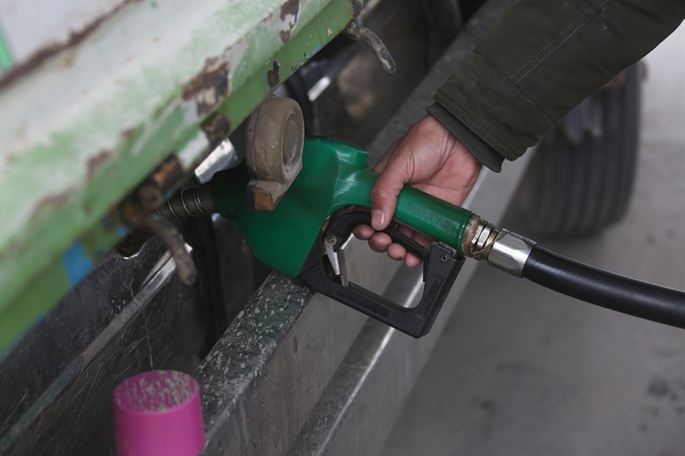
The ongoing conflict in the Middle East has sent shockwaves across the global energy market, with Hungary being the latest country to feel the pinch. The nation's gas stations are facing an unprecedented fuel shortage, with many on the verge of closure due to the disruptions in energy supply. According to the Hungarian Petroleum Association and the Association of Independent Filling Stations, the situation is dire, with some gas stations struggling to stay afloat.
The roots of the crisis can be traced back to the U.S.-Israel war against Iran, which has caused a significant disruption to shipping through the Strait of Hormuz. This vital waterway is a lifeline for global trade and energy supplies, and the blockage has led to a sharp increase in oil prices. The situation has been further exacerbated by the Hungarian government's decision to impose a cap on retail fuel prices. While the move was intended to cushion the blow of rising oil prices, it has had the unintended consequence of creating a shortage of fuel in the country.
The Hungarian Prime Minister, Viktor Orban, announced the fuel price cap on March 9, citing the rising oil prices linked to the war involving Iran and disruptions in oil transit through Ukraine. The government also released oil from state reserves to ensure stable supplies. However, the Hungarian Petroleum Association has warned that the sharp reduction in oil and refined oil imports will widen the gap between market prices and government-mandated protective prices, leading to supply security issues.
The Druzhba pipeline, which carries Russian crude oil to Hungary and Slovakia via Ukraine, has resumed operations, but it cannot solve the fundamental problem of the sharp decline in refined oil imports. The pipeline is a critical source of energy for Hungary, but the reduced supply has left gas stations struggling to meet demand. Laszlo Gepesz, a gas station owner and co-chair of Hungary's Association of Independent Filling Stations, painted a grim picture of the situation. 'First, gas stations need fuel to operate. We don't know how long the fuel supply will last. Will it continue until the state reserves are depleted? Then we will face the predicament of running out of fuel. Gas stations have to pay employee wages, management fees, electricity, water bills, and communication fees. Once the funds run out, gas stations will be forced to close,' he said.
The energy expert, Egri, a member of Hungary's Association of Independent Filling Stations, echoed Gepesz's concerns. 'Hungary currently has only about 15 days' worth of refined oil reserves. The supply to gas stations cannot be guaranteed 100 percent. Gas stations can still get fuel so far, but it is expected that in the coming weeks, Hungarian gas stations, mainly privately owned ones, may experience a severe fuel shortage,' he warned. The situation is a stark reminder of the vulnerability of global energy markets to geopolitical tensions and conflicts.
The Hungarian government faces a daunting task in addressing the fuel crisis. The cap on retail fuel prices may have been well-intentioned, but it has created a distorted market that is now threatening the very existence of gas stations. The government must find a way to balance the need to protect consumers from rising oil prices with the need to ensure a stable supply of fuel to gas stations. Failure to do so could have far-reaching consequences for the economy and the people of Hungary.
The crisis in Hungary is also a wake-up call for the global community. The dependence on fossil fuels and the vulnerability of global energy markets to geopolitical tensions and conflicts highlight the need for a diversified and sustainable energy mix. As the world grapples with the challenges of climate change, energy security, and economic sustainability, the fuel crisis in Hungary serves as a stark reminder of the need for a more resilient and adaptable energy system.
In conclusion, the fuel crisis in Hungary is a complex and multifaceted issue that requires a comprehensive and nuanced solution. The government, gas stations, and the global community must work together to address the root causes of the crisis and find a way to ensure a stable and sustainable energy supply. The fate of Hungary's gas stations and the country's economy hangs in the balance, and the world is watching with bated breath as the situation unfolds.
Summary Points
Hungary's gas stations are facing a severe fuel shortage due to the disruptions in energy supply caused by the Middle East conflict.
The Hungarian government's decision to impose a cap on retail fuel prices has created a distorted market and exacerbated the fuel shortage.
The Druzhba pipeline has resumed operations, but it cannot solve the fundamental problem of the sharp decline in refined oil imports.
Hungary currently has only about 15 days' worth of refined oil reserves, and the supply to gas stations cannot be guaranteed 100 percent.
The fuel crisis in Hungary highlights the need for a diversified and sustainable energy mix and a more resilient and adaptable energy system.
