Iran's Strategic Gambit: Tehran Takes Control of the Strait of Hormuz and the Global Oil Market
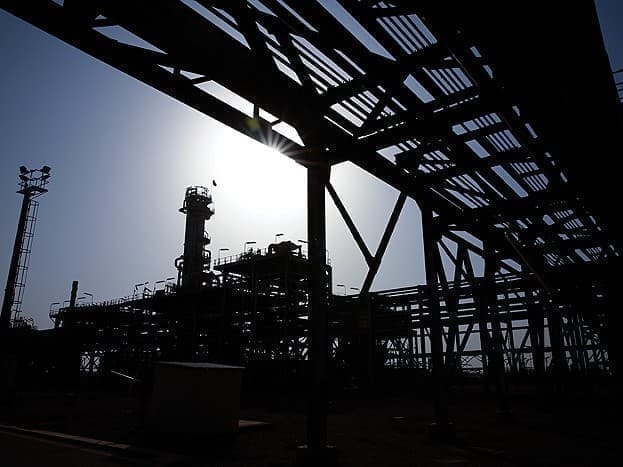
The month of March has marked a significant turning point in the geopolitical landscape, as Iran has successfully demonstrated its ability to exert control over the Strait of Hormuz, a critical waterway that connects the Persian Gulf to the Arabian Sea. By limiting access to the strait to only its own vessels and those that have received its approval, Tehran has effectively rewritten the rules of the global oil market, forcing the US administration to partially retreat from its sanctions.
This strategic move has resulted in a striking reversal, with Iranian crude now trading at a $1/bbl premium to ICE Brent, a stark contrast to the steep discounts it was previously subjected to. The pool of willing buyers is also expanding, as countries such as China continue to import significant volumes of Iranian oil, with imports reaching 1.6 million b/d in March, the highest level since November 2025.
Iran's ability to maintain its oil exports, despite the sanctions imposed by the US, is a testament to its resilience and cunning. In February, the country's oil exports had reached 2.2 million b/d, the highest level since 2018. While the exports eased slightly to 1.9 million b/d in March, the pricing power that Iran has gained is far more significant. Iranian Light, a grade of crude that was previously sold at a steep discount, is now being sold at a premium to ICE Brent, a remarkable turnaround.
The disruption in the Strait of Hormuz has been the primary driver of this shift. While the strait has not been formally closed, access has been limited to vessels aligned with Iranian interests, effectively removing a significant share of medium-sour crude from the market. This has created a shortage of this essential grade, which is critical for many Asian refineries. As a result, Iranian Light and Iran Heavy have become must-have feedstock, and Tehran has been able to exert significant control over the global oil market.
The US response to this development has been to release Russian crude from floating storage and to allow Iranian barrels already at sea to be sold until April 19. However, these interventions have provided only short-term relief and have accelerated the exhaustion of available supply buffers. Iranian floating storage, which had approached a record 55 million barrels in late December 2025, has declined to 23 million barrels in early April, its lowest level since October.
Satellite tracking data has revealed that between March 1 and April 7, only 92 tankers carried crude, refined products, and LPG out of the Gulf through the Strait of Hormuz, with 60 of these vessels being either Iranian-owned or transporting Iranian cargo. This has given Tehran complete control over physical flows, effectively nationalizing the strait. The implications of this development are far-reaching, and it remains to be seen how the global oil market will respond to this new reality.
China has been a significant buyer of Iranian oil, with independent refiners in Shandong province absorbing the majority of the volumes. These teapot refiners operate through yuan-denominated payments, which has helped to segment the market and reduce the risks associated with buying Iranian oil. However, large state-owned buyers continue to abstain from purchasing Iranian oil due to compliance risks and transaction complexity.
The impact of this development will be felt across the global oil market, as countries and companies adjust to the new reality of Iranian control over the Strait of Hormuz. As the global oil market continues to evolve, one thing is clear: Iran has emerged as a major player, and its ability to exert control over the global oil market will have significant implications for the future of the industry.
Summary Points
Iran has taken control of the Strait of Hormuz, limiting access to only its own vessels and those that have received its approval.
Iranian crude is now trading at a $1/bbl premium to ICE Brent, a significant reversal from the steep discounts it was previously subjected to.
The US administration has partially retreated from its sanctions, allowing Iranian barrels already at sea to be sold until April 19.
Iranian floating storage has declined to 23 million barrels in early April, its lowest level since October, as the country's oil exports continue to flow.
China has been a significant buyer of Iranian oil, with independent refiners in Shandong province absorbing the majority of the volumes.
