Ringgit Faces Pressure Amid Escalating West Asia Tensions and Rising Oil Prices
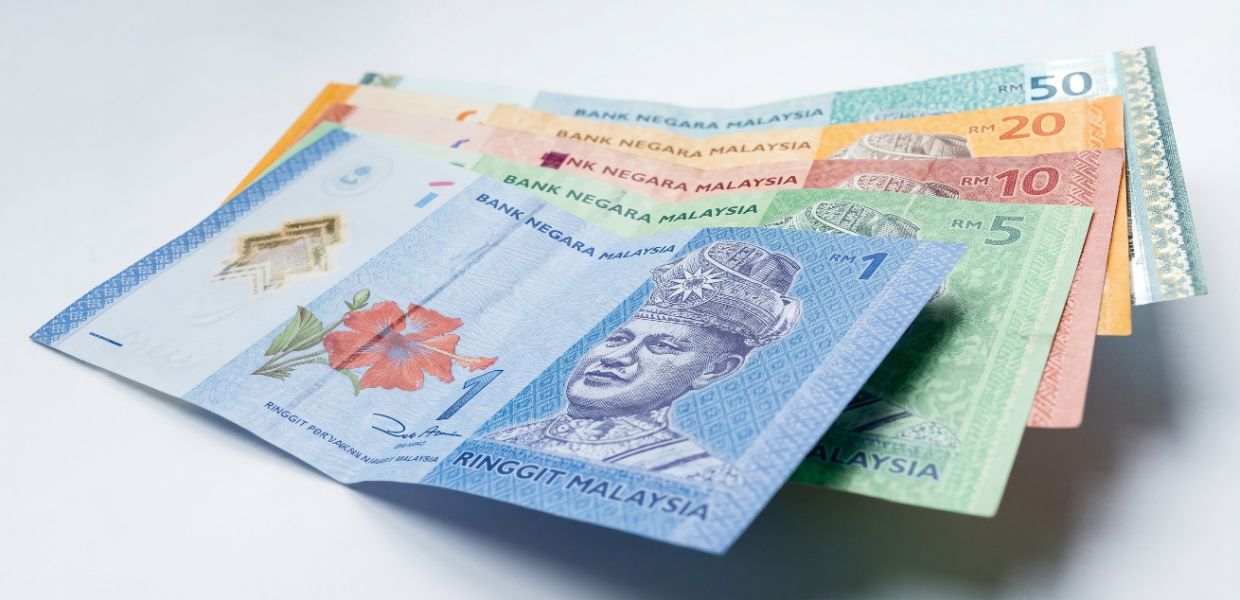
The Malaysian ringgit ended the day slightly lower against the US dollar on Thursday, fueled by the escalating tensions in West Asia and the subsequent rise in crude oil prices. The local currency eased to 4.0870/0910 versus the greenback from the previous day’s close of 4.0850/0890, reflecting the market’s response to the heightened uncertainty in the region.
According to Bank Muamalat Malaysia Bhd chief economist Dr. Mohd Afzanizam Abdul Rashid, the resurgence of military attacks in West Asia has significantly elevated global oil supply concerns. The US-Iran peace negotiation, which appeared to be on the path to resolution, now looks increasingly fragile, contributing to the oil price surge. As a result, the West Texas Intermediate (WTI) and Brent crude prices rose by 3.19 percent and 4.23 percent to US$89.60 per barrel and US$98.05 per barrel, respectively.
The increase in oil prices has also raised questions about how global central banks will respond to the oil price shock. Some jurisdictions may resort to tighter monetary policy to contain inflationary pressures, which could have a ripple effect on the global economy. The odds for a US interest rate hike during the September meeting have increased, supporting the US dollar and resulting in the US Dollar Index (DXY) increasing by 0.04 percent to 101.169 points.
The ringgit’s movement was confined to a narrow range, oscillating around RM4.0833-RM4.0908 against the greenback. Meanwhile, the European Central Bank (ECB) is set to announce its policy rate decision, with consensus expecting the benchmark interest rate to remain unchanged. However, the accompanying statement will be closely watched, as the market will be looking for the ECB’s policy stance in light of the latest developments in West Asia.
The ringgit traded mostly lower against a basket of major currencies, strengthening only against the Japanese yen to 2.5015/5041 from 2.5057/5081 at Wednesday’s close. It depreciated against the euro to 4.6641/6686 from 4.6585/6631 yesterday and went down against the British pound to 5.4647/4701 from 5.4612/4666 previously. The local currency also traded lower against regional currencies, with the exception of the Indonesian rupiah, where it rose to 227.8/228.1 from 228.0/228.3 at the close on Wednesday.
The current geopolitical landscape and the rising oil prices have significant implications for the Malaysian economy. As a net oil importer, Malaysia is vulnerable to fluctuations in global oil prices. The increase in oil prices could lead to higher production costs, potentially affecting the country’s trade balance and inflation rate. Furthermore, the escalating tensions in West Asia could disrupt global supply chains, impacting Malaysia’s export-oriented economy.
In conclusion, the ringgit’s performance is closely tied to the developments in West Asia and the resulting oil price movements. As the situation continues to unfold, market participants will be closely watching the ECB’s policy decision and the US Federal Reserve’s interest rate decision, which could have a significant impact on the global economy and the Malaysian ringgit.
Summary Points
The Malaysian ringgit ended the day slightly lower against the US dollar due to escalating tensions in West Asia and rising crude oil prices
The West Texas Intermediate (WTI) and Brent crude prices rose by 3.19 percent and 4.23 percent to US$89.60 per barrel and US$98.05 per barrel, respectively
The increase in oil prices has raised questions about how global central banks will respond to the oil price shock, potentially leading to tighter monetary policy
The ringgit traded mostly lower against a basket of major currencies, with the exception of the Japanese yen
The current geopolitical landscape and rising oil prices have significant implications for the Malaysian economy, including higher production costs and potential disruptions to global supply chains
