Russia and Kazakhstan Ink Landmark Deal for Central Asia's First Nuclear Power Plant
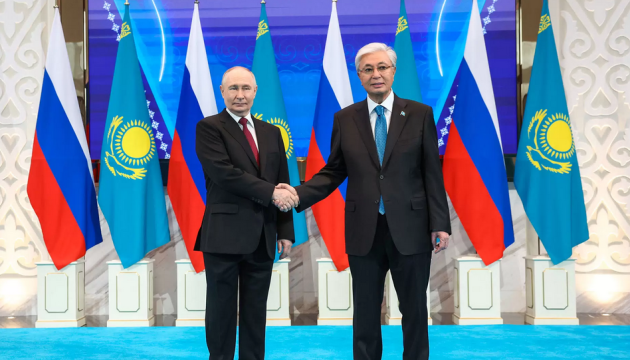
In a significant move that underscores the growing strategic partnership between Russia and Kazakhstan, the two nations have signed a pivotal agreement to construct the first nuclear power plant in Central Asia. This development, announced during a meeting between Russian leader Vladimir Putin and Kazakhstan's President Kassym-Jomart Tokayev in Astana, marks a substantial step forward in Kazakhstan's quest to diversify its energy landscape and ramp up its nuclear capacity.
At the heart of this agreement is the construction of the Balkhash Nuclear Power Plant (NPP), a project that has been designated to be located in the village of Ulken, situated on the shores of Lake Balkhash in southeastern Kazakhstan. The plant, which is slated to have two reactors, is expected to play a critical role in Kazakhstan's ambitious plan to generate 2.4 gigawatts of nuclear capacity by 2035, thereby significantly reducing the country's reliance on fossil fuels and contributing to a cleaner, more sustainable energy mix.
The financial underpinnings of the project are equally as noteworthy, with Russia committed to providing approximately 85% of the $15 billion required to bring the Balkhash NPP to fruition. This substantial investment is a testament to the economic and strategic importance that Russia places on its relationship with Kazakhstan, as well as its desire to bolster its presence in the Central Asian energy market.
The road to this point has been paved with careful planning and public consensus, following a referendum in 2024 where citizens of Kazakhstan voiced their support for the construction of a nuclear power plant. This democratic endorsement has provided a solid foundation for the project, ensuring that it aligns with the will and aspirations of the Kazakh people.
Meanwhile, the geopolitical context of this agreement cannot be overlooked. It comes at a time when energy security and diversification are at the forefront of global discussions, with countries around the world seeking to navigate the complexities of the energy transition while ensuring their economic and environmental futures. For Kazakhstan, a country with a population of 20.5 million and significant economic potential, this move represents a decisive step towards securing its energy independence and bolstering its position as a key player in regional and global energy markets.
Furthermore, the implications of this deal extend beyond the realm of energy policy, speaking to the broader strategic alignment between Russia and Kazakhstan. The two countries have historically enjoyed strong ties, and this agreement serves to further cement their partnership, underscoring their shared interests in regional stability, economic development, and energy security.
In conclusion, the signing of the agreement between Russia and Kazakhstan for the construction of the Balkhash Nuclear Power Plant is a landmark moment in the history of Central Asia's energy sector. It signals a new era of cooperation between the two nations, driven by a shared vision for a more sustainable, secure, and prosperous future. As the project progresses, it will be closely watched by regional and global observers alike, eager to see the tangible impact it will have on Kazakhstan's energy landscape, its people, and the broader geopolitical dynamics of the region.
Summary Points
Russia and Kazakhstan have signed an agreement to construct the first nuclear power plant in Central Asia, the Balkhash NPP, located in southeastern Kazakhstan.
The project, valued at $15 billion, will be financed largely by Russia, which will provide about 85% of the cost, indicating a significant investment in Kazakhstan's energy sector.
Kazakhstan aims to generate 2.4 gigawatts of nuclear capacity by 2035, as part of its strategy to diversify its energy mix and reduce dependence on fossil fuels.
The construction of the nuclear power plant follows a 2024 referendum in which Kazakh citizens voted in favor of the project, providing a mandate for its implementation.
This development marks a significant step in the strategic partnership between Russia and Kazakhstan, underscoring their cooperation in energy security, economic development, and regional stability.