South-east Asia Grapples with Sweltering Heat Amid Energy-Saving Measures
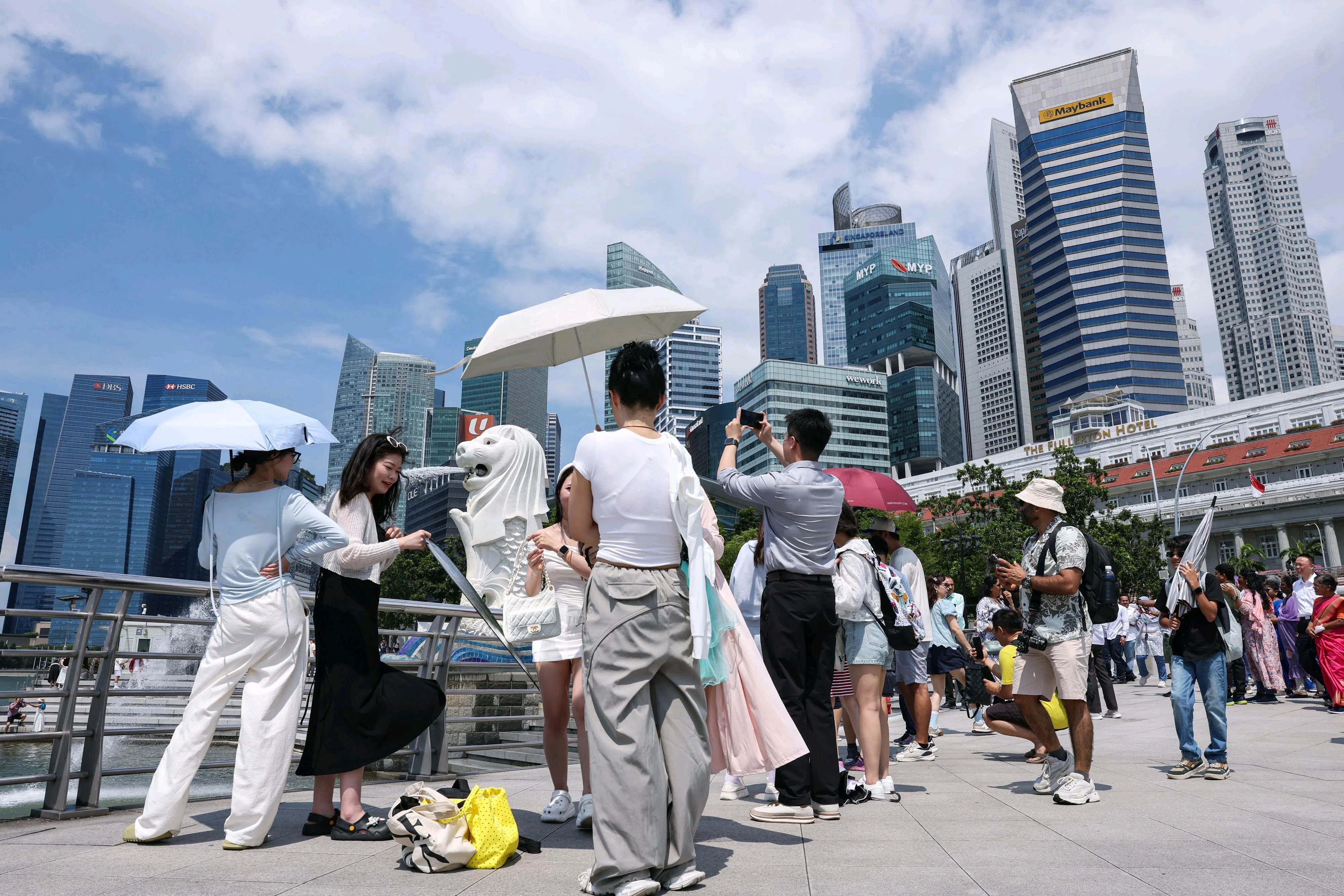
A severe heatwave is sweeping across South-east Asia, exacerbating the already challenging conditions faced by office workers in the region. The heatwave has been compounded by energy-saving measures implemented by governments in response to the ongoing conflict in Iran, which has led to a significant reduction in energy reserves. The prolonged shutdown of the Strait of Hormuz has drained energy reserves, leaving parts of the region to endure abnormally hot conditions in the months ahead.
Thailand is one of the hardest-hit countries, with temperatures soaring above 40 degrees Celsius (104F) in recent weeks. The Bangkok government has issued multiple 'dangerous' heat warnings, and the Thai government has ordered public sector offices to set air conditioner temperatures at 26-27 degrees Celsius. This has led to uncomfortable working conditions, with many employees seeking refuge in cooler areas such as canteens and convenience stores.
The onset of the El Nino weather system in the summer is expected to worsen the situation. According to Emi Gui, an adjunct associate professor at Monash University in Malaysia, South-east Asia faces a 'double whammy' with El Nino likely to recreate extreme heat conditions, increasing the likelihood of droughts and floods that threaten lives and agricultural activities. The region's agricultural sector, which is a significant contributor to the economy, is likely to be severely impacted by the drought conditions that can wither crops such as rice, palm oil, rubber, and sugar.
Governments in the region are exploring ways to ameliorate the uncomfortable conditions in offices. In the Philippines, employees have been allowed to wear light, collared shirts instead of traditional attire, while in Malaysia, the government is promoting the use of traditional cotton batik shirts. The Malaysian government has also mandated offices to set air conditioner temperatures at 24 degrees Celsius. These measures are aimed at reducing energy consumption while also providing some relief to employees who are struggling to cope with the heat.
The economic implications of the energy crisis and the heatwave are far-reaching. The conflict in Iran has led to a significant increase in energy prices, which has had a ripple effect on the economies of South-east Asian countries. The region's reliance on energy imports has made it vulnerable to price shocks, and the ongoing crisis has led to weaker growth, faster inflation, and higher fiscal deficits. According to HSBC Holdings, the economic fallout may last even longer, and countries may face a food shock if the conflict drags on and the weather turns even hotter.
While the measures implemented by governments may be inconvenient, they can be part of longer-term strategies to improve energy efficiency and conservation. Thailand, for example, is planning to increase the use of biofuel blends to reduce crude oil demand, while Indonesia is speeding up the rollout of a higher biodiesel blend. These initiatives can help reduce the region's reliance on fossil fuels and mitigate the impact of future energy crises.
Summary Points
The heatwave in South-east Asia has been exacerbated by energy-saving measures implemented by governments in response to the conflict in Iran.
The region faces a 'double whammy' with El Nino likely to recreate extreme heat conditions, increasing the likelihood of droughts and floods.
Governments are exploring ways to ameliorate uncomfortable conditions in offices, including allowing employees to wear lighter clothing and setting air conditioner temperatures at higher levels.
The economic implications of the energy crisis and the heatwave are far-reaching, with the region facing weaker growth, faster inflation, and higher fiscal deficits.
Long-term strategies to improve energy efficiency and conservation can help reduce the region's reliance on fossil fuels and mitigate the impact of future energy crises.