State Farm's AI Overhaul Sparks Outrage Among Customers and Agents
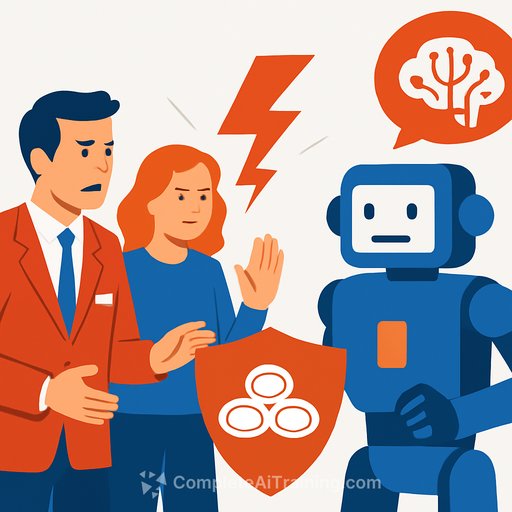
State Farm, one of the largest insurance companies in the United States, is facing intense backlash from its customers and agents over its recent decision to overhaul its operations with artificial intelligence (AI). The company's push to mandate daily AI use for its 19,000 agents has sparked widespread criticism, with many expressing concerns about the reliability and effectiveness of the automated systems.
The controversy began after State Farm CEO Jon Farney announced the changes at a convention in Las Vegas, where he told agents that their existing contracts would be replaced with new ones tied to revised sales targets and mandatory daily AI use. The announcement was met with skepticism and outrage from many agents, who questioned the company's ability to deliver reliable AI tools given its track record with technology initiatives.
According to a report by the Wall Street Journal, roughly 900 readers responded with complaints about the automated systems, with many describing them as 'terrible', 'infuriating', and 'it sucks'. Several State Farm agents who responded to the article declined to be named for fear of being fired, but expressed their concerns about the company's ability to deliver reliable AI tools. 'State Farm is a great insurance company', an agent in Alabama told the WSJ. 'We are a horrible tech company'.
The contract changes mark a significant shift for State Farm's distribution model, which has long relied on a network of local agents who own their books of business. The new contracts will require agents to use AI-powered tools to manage their daily operations, including customer interactions and sales targets. While the company believes that the changes will improve efficiency and productivity, many agents are concerned that the automated systems will replace the personal touch and human interaction that has been a hallmark of the company's success.
The backlash against State Farm's AI overhaul is not surprising, given the company's history of technology mishaps. In recent years, the company has faced several high-profile IT failures, including a major outage of its online platform and a data breach that exposed the personal information of thousands of customers. These incidents have raised questions about the company's ability to deliver reliable and secure technology solutions, and have contributed to the skepticism and mistrust among agents and customers.
As the insurance industry continues to evolve and embrace new technologies, companies like State Farm must balance the need for innovation and efficiency with the need for human interaction and personal touch. While AI and automation can certainly improve certain aspects of the business, they must be used in a way that complements and enhances the customer experience, rather than replacing it. As one agent noted, 'The key to our success has always been our ability to build relationships with our customers and provide them with personalized service. If we lose that, we lose everything'.
In conclusion, State Farm's AI overhaul has sparked intense debate and criticism among customers and agents, who are concerned about the impact of automated systems on the company's traditional business model. As the company moves forward with its plans to mandate daily AI use, it must address the concerns and skepticism of its agents and customers, and ensure that the technology is used in a way that enhances the customer experience and supports the company's long-term success.
Summary Points
State Farm is facing backlash from customers and agents over its decision to mandate daily AI use for its 19,000 agents
The company's AI overhaul has sparked concerns about the reliability and effectiveness of automated systems
Many agents are skeptical about the company's ability to deliver reliable AI tools given its track record with technology initiatives
The contract changes mark a significant shift for State Farm's distribution model, which has long relied on a network of local agents
The company must balance the need for innovation and efficiency with the need for human interaction and personal touch
