Constitutional Court Upholds Thai Government's $11 Billion Emergency Loan Decree Amidst Opposition
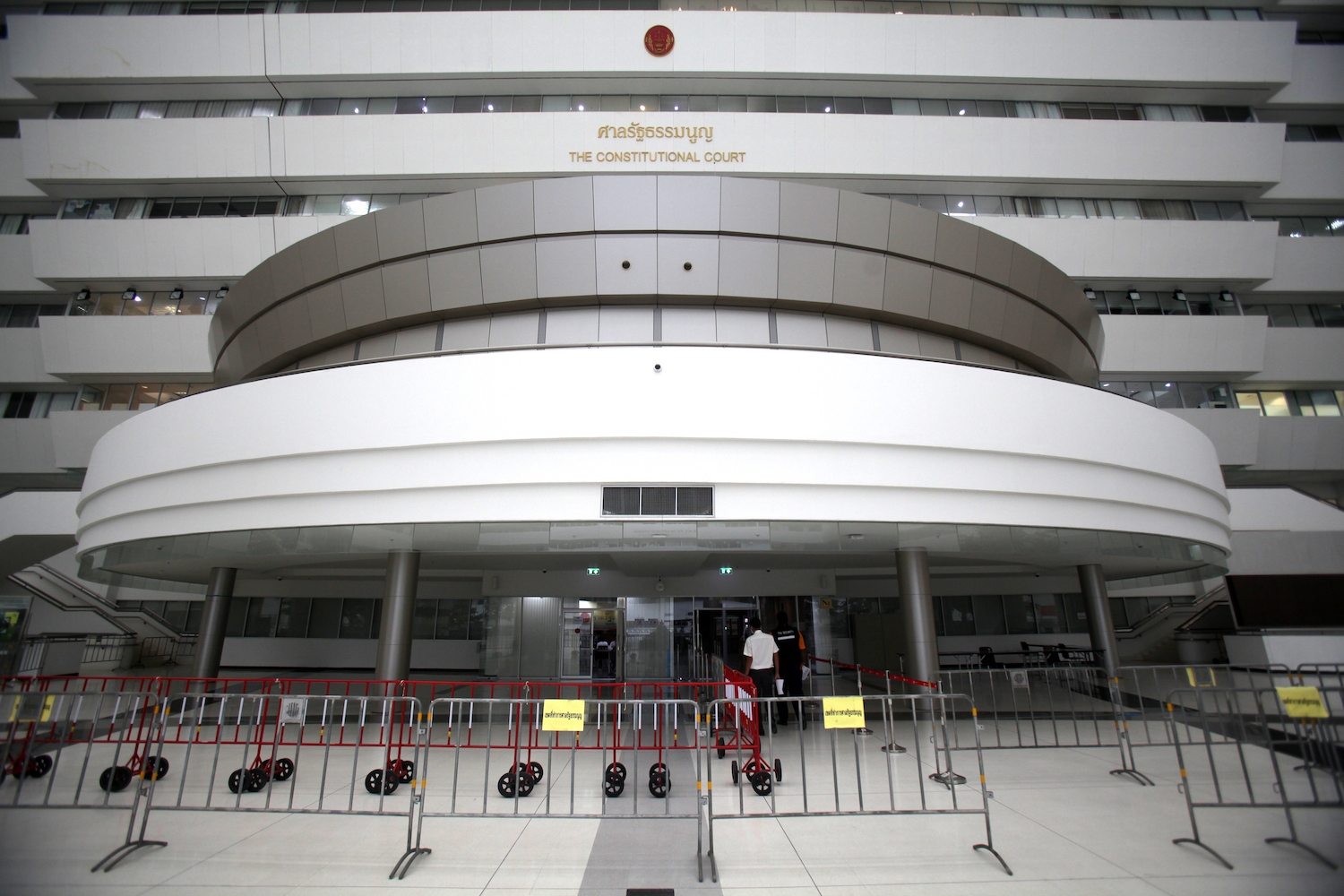
The Constitutional Court of Thailand has ruled in favor of the government's 400-billion-baht ($11 billion) emergency loan decree, which aims to support the country's ailing economy amidst rising oil prices. The court's decision has been met with mixed reactions from various stakeholders, with some hailing it as a necessary measure to boost economic growth, while others have expressed concerns about the government's rationale behind invoking an emergency decree.
The Thai government, led by Prime Minister Anutin Charnvirakul, had introduced the emergency loan decree in May to cushion the impact of higher energy prices on the economy. The funds will be divided equally between the 'Thais Help Thais Plus' consumer subsidy scheme, launched last month, and financing a green energy transition. While the opposition parties, including the People's Party, have acknowledged the importance of investing in clean energy, they have argued that the prevailing situation does not warrant the use of an emergency decree, which bypasses the standard parliamentary approval process.
One of the primary concerns raised by opposition lawmakers is the lack of transparency and parliamentary oversight in the allocation of funds for the energy transition projects. Sirikanya Tansakun, the deputy leader of the People's Party, has voiced her concerns that some of the funds might end up being channeled into pre-arranged projects, potentially benefiting specific contractors or procurement arrangements. This has sparked fears of corruption and cronyism, which could undermine the government's efforts to promote clean energy and sustainable development.
Finance Minister Ekniti Nitithanprapas has maintained that the borrowing is necessary to mitigate the impact of higher energy prices on the economy, citing the need for immediate action to support affected households and businesses. However, the opposition has countered that the government could have explored alternative funding options, such as utilizing the fiscal budget or seeking parliamentary approval for a standard loan bill.
The court's ruling has also been met with disappointment from the People's Party, with leader Natthapong Ruengpanawut stating that the government does not need to issue an emergency loan decree, as there is no urgency that warrants bypassing the parliamentary process. The party has argued that clean energy programs can be funded using the fiscal budget, without resorting to emergency borrowing.
The Thai government's decision to invoke an emergency decree to secure funding for its economic stimulus package has significant implications for the country's democratic institutions and the rule of law. The use of emergency decrees has been a subject of controversy in the past, with some critics arguing that it undermines parliamentary oversight and accountability. As Thailand continues to navigate its economic challenges, it is essential for the government to strike a balance between responding to pressing economic needs and upholding democratic principles and transparency.
In conclusion, the Constitutional Court's ruling on the emergency loan decree has set a significant precedent for the Thai government's economic policy-making. While the decision may provide a temporary reprieve for the government's economic stimulus package, it also highlights the need for greater transparency, accountability, and parliamentary oversight in the allocation of public funds. As the country moves forward, it is crucial for the government to prioritize democratic principles, transparency, and good governance to ensure that economic development is both sustainable and equitable.
Summary Points
The Constitutional Court of Thailand has upheld the government's 400-billion-baht emergency loan decree
The funds will be divided equally between the 'Thais Help Thais Plus' consumer subsidy scheme and financing a green energy transition
Opposition parties have raised concerns about the lack of transparency and parliamentary oversight in the allocation of funds
The government has maintained that the borrowing is necessary to mitigate the impact of higher energy prices on the economy
The court's ruling has significant implications for Thailand's democratic institutions and the rule of law
