Vietnam's Medical Tourism Industry Poised for Explosive Growth, Targets $4 Billion by 2033
Vietnam's medical tourism market is on the cusp of a significant expansion, with projections indicating a staggering growth from $700 million in 2024 to nearly $4 billion by 2033. This represents an average annual growth rate of around 18%, underscoring the sector's considerable potential. The Ministry of Health is actively seeking public feedback on a draft project aimed at developing high-quality medical services and promoting medical tourism, targeting both domestic and international patients.
The project's focus areas include five key localities: Hanoi, Ho Chi Minh City, Da Nang, Quang Ninh, and Khanh Hoa. By 2030, these regions are set to pilot integrated medical tourism models, combining hospitals, hotels, resorts, and travel services to create a seamless and comprehensive experience for patients. This strategic integration is expected to bolster Vietnam's position as a competitive medical hub in the region, leveraging its relatively low costs, highly skilled medical workforce, and capability to perform complex procedures in fields such as cardiology, organ transplantation, in vitro fertilisation (IVF), and dentistry.
Vietnam's competitive advantages in the medical tourism sector are multifaceted. The country offers a unique blend of modern medical facilities, skilled healthcare professionals, and a wide range of medical specialties. For instance, the country has made significant strides in the field of organ transplantation, with several hospitals performing successful transplants. Additionally, Vietnam's traditional medicine sector is also being recognized for its potential in attracting international visitors, offering services focused on wellness, rehabilitation, and quality-of-life enhancement.
The Ministry of Health's development strategy for high-quality healthcare services for the 2025–2030 period is a crucial step towards capitalizing on this potential. The initiative aims to attract high-spending patients while reducing the number of Vietnamese citizens seeking treatment abroad. A key objective is to establish at least 15 internationally accredited hospitals by 2030, including five public institutions. Furthermore, service packages will be diversified to include advanced medical treatment, traditional medicine combined with wellness retreat, and comprehensive healthcare packages, catering to a broader range of patient needs and preferences.
Towards creating an integrated healthcare–wellness ecosystem, major projects are being planned, including the expansion of local oncology, cardiology, and paediatric hospitals, alongside modern rehabilitation and therapeutic care complexes. The application of artificial intelligence in early diagnosis is also a priority, reflecting the country's commitment to embracing cutting-edge technology in healthcare. In 2026, healthcare in the capital is set to prioritize infrastructure upgrades, modern equipment, workforce training, and the application of artificial intelligence, further enhancing the quality of care and patient experience.
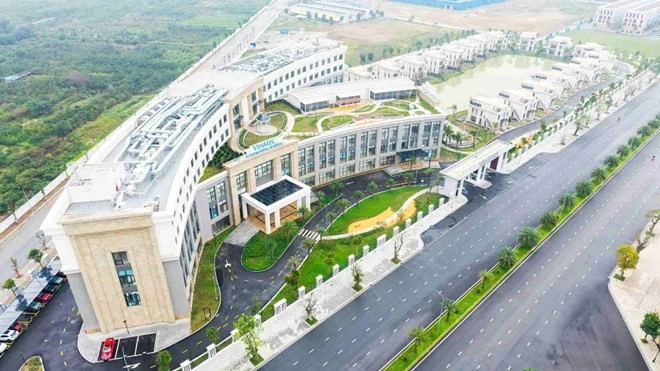
From a business perspective, integrated treatment-and-leisure models are gaining traction. Notably, Vinmec Ocean Park 2 International Hospital has introduced a model where patients receive treatment within private villa-style settings, combining round-the-clock medical care with a high-end resort environment. This innovative approach reflects the evolving nature of medical tourism, where patients increasingly seek holistic and personalized experiences that combine healthcare with leisure and wellness.
Commenting on development, healthcare professionals and industry experts emphasize the significance of traditional medicine and diversified service packages in attracting international visitors. The growth in medical tourism is also attributed to regional administrative restructuring, enabling travel firms to diversify their products and incorporate a broader range of medical and wellness services into their tour packages. With between 30-40% of patients seeking medical treatment in major cities like Ho Chi Minh City coming from other provinces or overseas, the potential for growth is substantial, with notable markets including the US, Australia, Canada, Japan, and overseas Vietnamese communities.
As Vietnam continues to invest in its healthcare infrastructure and promote medical tourism, the country is poised to become a leading destination for patients seeking high-quality, affordable medical care in a unique and culturally rich environment. With its strategic location, competitive advantages, and commitment to innovation and patient-centric care, Vietnam's medical tourism industry is on the cusp of a remarkable journey, one that promises to transform the landscape of healthcare in the region and beyond.
Summary Points
Vietnam's medical tourism market is projected to grow from $700 million in 2024 to nearly $4 billion by 2033, representing an average annual growth rate of around 18%.
The Ministry of Health is developing a project to promote medical tourism, focusing on five key localities: Hanoi, Ho Chi Minh City, Da Nang, Quang Ninh, and Khanh Hoa.
Vietnam's competitive advantages in medical tourism include relatively low costs, a highly skilled medical workforce, and the capability to perform complex medical procedures.
The country aims to establish at least 15 internationally accredited hospitals by 2030, including five public institutions, and diversify service packages to attract high-spending patients.
Traditional medicine and wellness services are being recognized for their potential in attracting international visitors, offering a unique blend of modern and traditional healthcare practices.