Virginia Enacts Stringent Gun Control Laws, Bans 'Ghost Guns' and Sets New Standards for Firearm Manufacturers
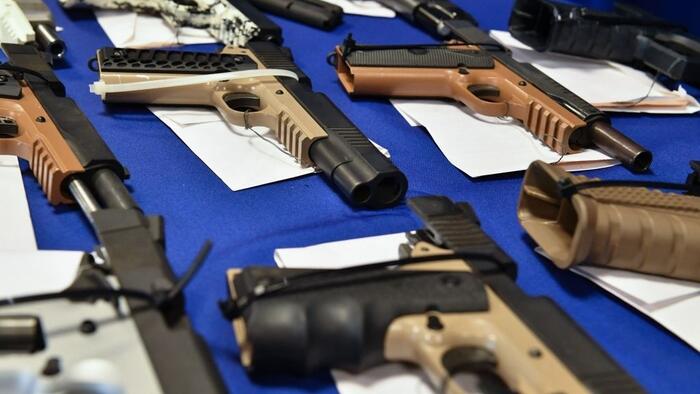
Virginia has taken a significant step towards tightening its gun control laws with Governor Abigail Spanberger signing into effect several key bills aimed at curbing gun violence. Among these, the ban on so-called 'ghost guns' marks a crucial milestone in the state's efforts to enhance public safety. 'Ghost guns' refer to firearms that lack serial numbers, making them virtually untraceable. The new law, which will come into effect on July 1, prohibits the manufacture, sale, and possession of these unmarked firearms.
The legislation, signed on April 10, is part of a broader package of gun control and gun safety measures passed by the Virginia General Assembly. In addition to banning 'ghost guns,' Governor Spanberger also signed a bill that sets standards for 'responsible conduct' among firearm manufacturers, distributors, and retailers. This move is designed to hold gun businesses accountable for the products they produce and sell, allowing for lawsuits against them for irresponsible practices.
Another critical aspect of the new laws is the regulation of firearm possession by individuals under court orders. Senate Bill 160 closes the 'intimate partner loophole' by prohibiting those convicted of misdemeanor domestic violence from possessing a firearm, even if the victim is not a spouse or family member but an intimate partner. This expansion of the definition of 'family or household member' to include recent romantic partners aims to protect more individuals from domestic violence.
Moreover, Senate Bill 38 provides a mechanism for individuals subject to protective orders or convicted of misdemeanor domestic violence to transfer their firearms legally. This can be done by transferring the firearm to someone aged 21 or older who does not reside with them and is legally allowed to own a gun. This provision ensures that such individuals comply with the law while also respecting their rights.
The path to these new laws has been paved by the Democratic majority in both houses of the Virginia legislature, as well as Governor Spanberger's commitment to gun control. This shift in political landscape, following the Democrats' takeover of both the House and Senate in the November 2025 elections, has enabled the passage of legislation that was previously vetoed by Republican Governor Glenn Youngkin.
One of the most anticipated and debated pieces of legislation is the 'assault weapon ban,' outlined in Senate Bill 749. This bill defines an assault weapon and restricts its sale and possession, with exemptions for firearms purchased before the law's effective date. The bill's specifics, including what constitutes an assault weapon and the grandfathering of previously purchased rifles, highlight the complexities and challenges of crafting effective gun control laws that balance public safety with individual rights.
As Virginia implements these new gun control measures, the state joins a broader national conversation about gun violence and public safety. The effectiveness of these laws in reducing gun-related crimes and protecting Virginians will be closely watched, not just within the state but across the country. With the new laws set to take effect on July 1, Virginia stands at the forefront of states taking proactive steps towards addressing the issue of gun violence.
Summary Points
Virginia has banned the manufacture, sale, and possession of 'ghost guns,' which are firearms without serial numbers.
New laws set standards for 'responsible conduct' among firearm manufacturers, distributors, and retailers, allowing for lawsuits against them for irresponsible practices.
The state has closed the 'intimate partner loophole' to protect more individuals from domestic violence by prohibiting those convicted of misdemeanor domestic violence from possessing a firearm.
Individuals subject to protective orders or convicted of misdemeanor domestic violence can transfer their firearms to someone aged 21 or older who does not reside with them and is legally allowed to own a gun.
The 'assault weapon ban' restricts the sale and possession of defined assault weapons, with exemptions for firearms purchased before the law's effective date.