Burna Boy Faces Backlash After Historic FIFA World Cup Performance with Shakira
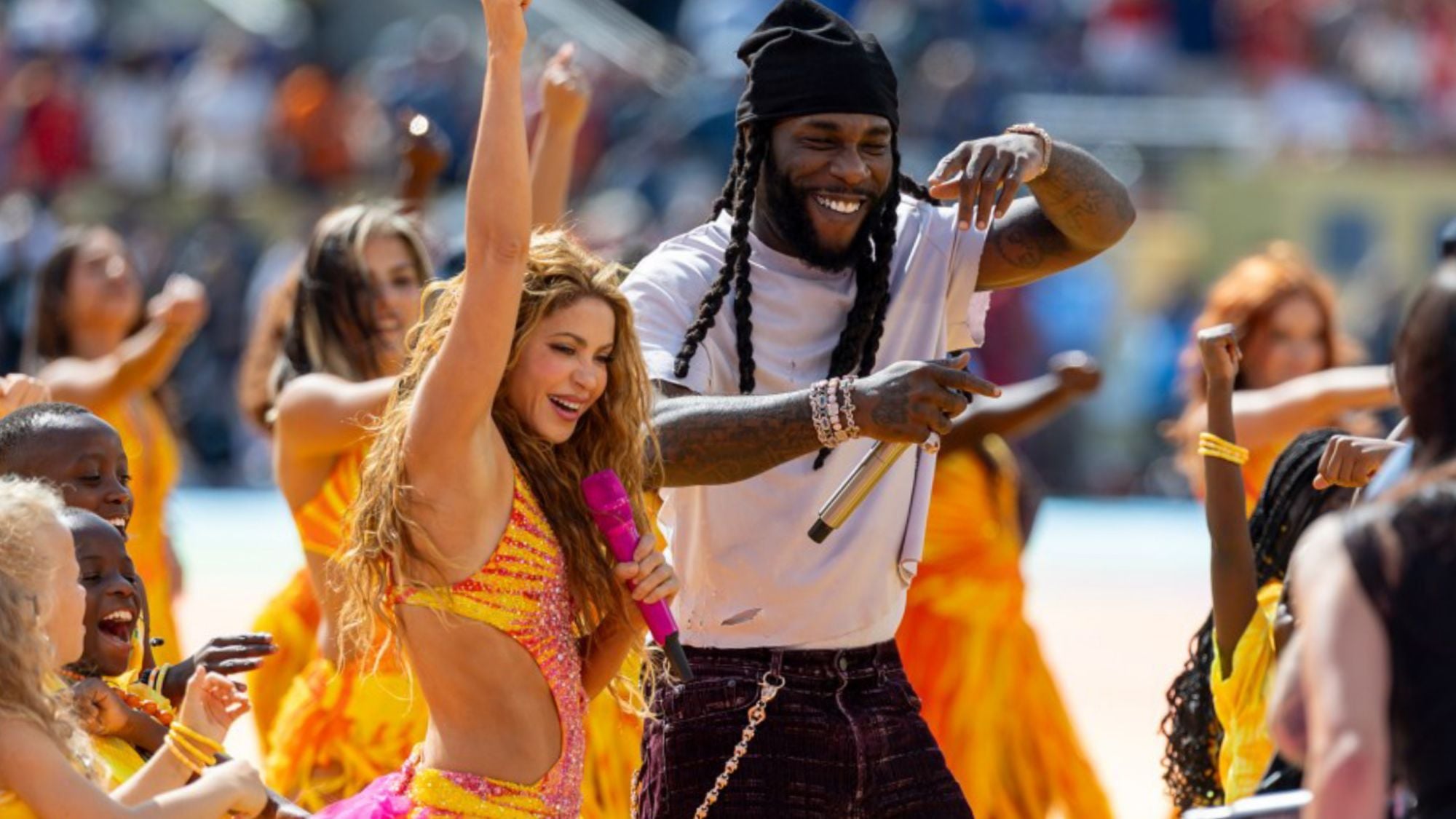
Nigerian music sensation Burna Boy has found himself at the center of controversy following his groundbreaking performance with Colombian superstar Shakira during the inaugural FIFA World Cup final halftime show. The event, which took place at the MetLife Stadium in New Jersey, marked a significant departure from the tournament's traditional format, introducing a Super Bowl-style entertainment show to the men's World Cup final for the first time.
Burna Boy and Shakira's performance of the tournament's official anthem, 'Dai, Dai', was part of a star-studded lineup that included Madonna, Justin Bieber, and appearances by Brazilian football legends Ronaldo and Ronaldinho. The show, curated by Coldplay frontman Chris Martin, was designed to appeal to a global audience and promote international collaborations in music and sports.
However, social commentator Daniel Regha has criticized Burna Boy for not incorporating any Nigerian languages, including Igbo, Hausa, and Yoruba, into his verse. Regha argued that Burna Boy missed an opportunity to showcase Nigeria's rich cultural identity to a global audience, instead opting to sing in Spanish, Italian, Japanese, and French. Regha also noted that Burna Boy did not include Nigerian Pidgin in the song, which could have helped promote Afrobeats and Nigerian culture on the global stage.
The comments have sparked a heated debate online, with some social media users agreeing that Burna Boy should have included at least one Nigerian language or Pidgin in his verse. Others have defended the Grammy Award-winning singer, arguing that the song was an international collaboration designed to appeal to a global audience. Former Super Eagles captain Joseph Yobo welcomed the innovation of the halftime show but emphasized that it should not affect the flow of the match.
The introduction of the halftime show marks a significant change to the tournament's traditional format, which has historically been more focused on the sport itself. The 27-minute performance was a major production, featuring a diverse range of artists and showcasing the intersection of music, sports, and culture. While some fans and pundits have praised the innovation, others have expressed skepticism about the impact on the game.
Former Manchester United captain Roy Keane was less impressed with the spectacle, saying it was 'a bit of an anti-climax'. However, the show's curator, Chris Martin, has stated that the goal was to create a unique and memorable experience that would appeal to a broad audience. The performance took place during the 2026 FIFA World Cup final, where Spain defeated Argentina 1-0 after extra time to win their second World Cup title, their first since 2010.
The controversy surrounding Burna Boy's performance highlights the complexities of cultural representation and identity in the global music industry. As African artists continue to gain international recognition, they face increasing pressure to promote their cultural heritage and represent their countries on the global stage. The debate surrounding Burna Boy's performance serves as a reminder of the importance of cultural sensitivity and awareness in the music industry.
Summary Points
Burna Boy performed at the inaugural FIFA World Cup final halftime show with Shakira
The performance was part of a star-studded lineup that included Madonna and Justin Bieber
Burna Boy has been criticized for not incorporating Nigerian languages into his verse
The controversy highlights the complexities of cultural representation and identity in the global music industry
The introduction of the halftime show marks a significant change to the tournament's traditional format