Unveiling the Dark Side of Manga Industry: Ken Ogino's Shocking Revelation About Shonen Jump
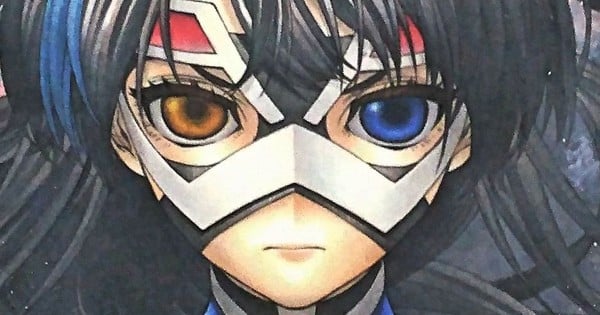
Renowned manga artist Ken Ogino, known for his work on The Ossan Newbie Adventurer, has sent shockwaves through the manga community with a startling revelation about his time working with Shueisha's Weekly Shonen Jump magazine. In a recent social media post, Ogino disclosed that the editors at Shonen Jump refused to publish his manga series, Lady Justice, unless it focused on erotic content, simply because the protagonist was a female hero.
Ogino's remarks came in response to a fan's post about the launch of Lady Justice, which debuted 11 years ago. The fan had speculated that Ogino's passion for drawing erotic content had been crushed by the experience. However, Ogino set the record straight, explaining that his initial concept for Lady Justice was centered around creating a tough, female hero inspired by American comics, with a dash of erotic elements as a secondary aspect.
According to Ogino, the editors at Shonen Jump were adamant that a female protagonist would only be acceptable if the manga focused on eroticism. This directive forced Ogino to reluctantly incorporate more explicit content into his work, deviating from his original vision. This experience highlights the challenges faced by manga creators, particularly those who attempt to break away from traditional genre conventions.
Ogino also addressed speculation that he had intentionally tried to compete with the hugely popular My Hero Academia series, which was gaining momentum around the same time as Lady Justice. He clarified that the one-shot version of Lady Justice had actually been published before My Hero Academia began serialization, and that the decision to serialize Lady Justice was simply a coincidence.
The history of Shonen Jump is marked by a mix of groundbreaking successes and controversies. As one of the most prominent manga magazines in Japan, it has played a significant role in shaping the industry. However, the revelation about Lady Justice raises important questions about the representation of female characters in manga and the pressure to conform to certain genre expectations.
Lady Justice, which ran in Weekly Shonen Jump from May to September 2015, was ultimately published in two volumes by Shueisha. Although the series was not a commercial success, Ogino's experience serves as a testament to the evolving attitudes within the manga industry. The fact that creators can now feature female protagonists without feeling pressured to include erotic content is a positive step forward, and Ogino has expressed admiration for this shift.
As the manga industry continues to grow and diversify, it is essential to acknowledge the challenges faced by creators and the importance of promoting inclusivity and representation. The story of Lady Justice and Ken Ogino's experience serves as a reminder that even the most seemingly progressive genres can be limited by outdated conventions and expectations.
In conclusion, Ogino's revelation about his experience with Shonen Jump offers a fascinating glimpse into the inner workings of the manga industry. As a prominent artist, Ogino's insights provide valuable context for understanding the complexities of manga creation and the ongoing efforts to promote greater diversity and representation within the genre.
Summary Points
Manga artist Ken Ogino revealed that Shonen Jump editors refused to publish his series, Lady Justice, unless it focused on erotic content due to the female protagonist.
Ogino's initial concept for Lady Justice was centered around creating a tough, female hero inspired by American comics, with a dash of erotic elements as a secondary aspect.
The experience highlights the challenges faced by manga creators, particularly those who attempt to break away from traditional genre conventions.
Ogino clarified that he did not intentionally try to compete with My Hero Academia, and the decision to serialize Lady Justice was simply a coincidence.
The manga industry has evolved to become more inclusive, with creators now able to feature female protagonists without feeling pressured to include erotic content.
