Shonen Jump's Hidden Controversy: Unveiling the 'Erotic' Demands Behind the Scenes
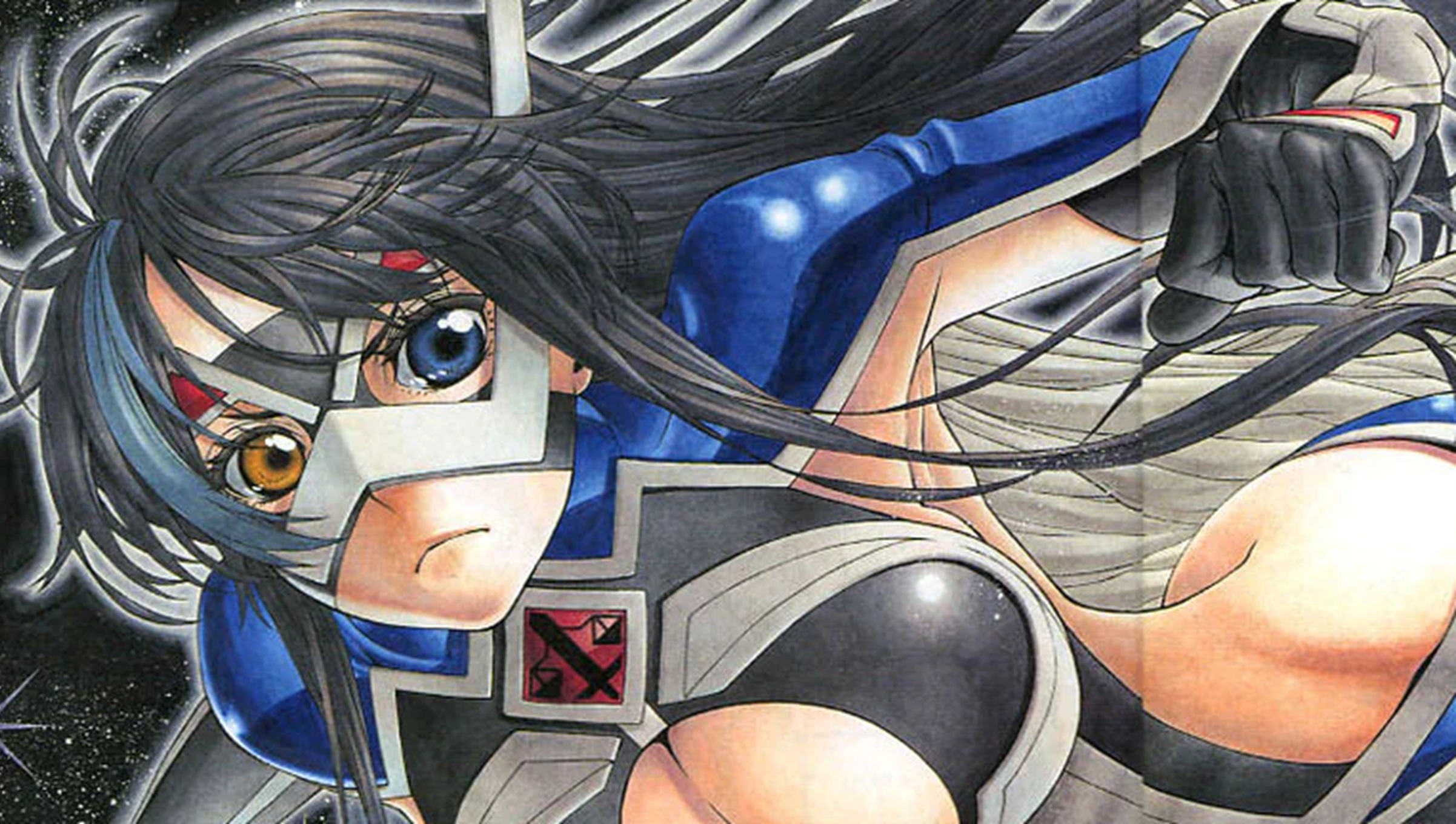
Shonen Jump, the iconic manga publisher, has been at the forefront of the industry for decades, bringing forth some of the most beloved and enduring series in the medium. However, beneath its esteemed reputation, a controversy has surfaced, shedding light on the editorial demands that have shaped the content of some of its most notable titles. Ken Ogino, a veteran manga artist known for his work on Lady Justice and the Marvel x Shonen Jump+ Super Collaboration, has come forward to reveal the editorial pressures he faced while working on his female-driven superhero series.
Ogino's experience with Lady Justice is a telling example of the emphasis placed on 'eroticism' in certain Shonen Jump titles. As he recounted, the editorial team pushed for a greater focus on erotic elements, stating that without it, the series would not be published. This directive led Ogino to reluctantly incorporate more erotic content into his work, despite his initial vision for a 'tough, substantial female hero.' The artist's account provides a glimpse into the behind-the-scenes dynamics that can influence the creative direction of manga series, often prioritizing commercial appeal over artistic vision.
The implications of Ogino's revelation extend beyond the confines of Lady Justice, speaking to a broader trend within the manga industry. The emphasis on eroticism, particularly in series featuring female protagonists, raises questions about the objectification of female characters and the potential limitations imposed on creators. As Ogino noted, he is envious of artists who can craft compelling stories without relying on erotic elements, highlighting the disparity in creative freedom within the industry.
To understand the context of Ogino's experience, it is essential to examine the history of Shonen Jump and its approach to content creation. Founded in 1968, the publisher has consistently pushed the boundaries of what is considered acceptable in manga, often incorporating mature themes and suggestive content. This approach has contributed to the success of many Shonen Jump titles, but it also raises concerns about the potential exploitation of female characters and the reinforcement of problematic attitudes towards women.
Lady Justice, which debuted and concluded in 2015, offers a fascinating case study of the editorial pressures that can shape the creative direction of a manga series. The story follows Ameri Kenzaki, a young woman struggling to come to terms with her newfound super powers. As she navigates this new reality, Kenzaki must confront the challenges of being a female hero in a world dominated by male superheroes. Despite its promising premise, Lady Justice was ultimately unable to replicate the success of other Shonen Jump titles, such as My Hero Academia, which has become a global phenomenon.
The contrast between Lady Justice and My Hero Academia is striking, with the latter series achieving immense popularity without relying on explicit erotic content. This disparity highlights the complexities of the manga industry, where creative vision and commercial appeal often intersect in complex ways. As the industry continues to evolve, it is crucial to examine the role of editorial pressures and the impact they can have on the creative process.
In conclusion, Ken Ogino's revelation provides a unique insight into the inner workings of Shonen Jump and the manga industry as a whole. The emphasis on eroticism, particularly in series featuring female protagonists, raises important questions about the objectification of female characters and the limitations imposed on creators. As the industry continues to grow and evolve, it is essential to consider the implications of these editorial pressures and the potential consequences for the creative process.
Summary Points
Shonen Jump's editorial team pushed for a greater focus on erotic elements in Ken Ogino's Lady Justice series
The emphasis on eroticism, particularly in series featuring female protagonists, raises concerns about objectification and creative freedom
Lady Justice debuted and concluded in 2015, offering a fascinating case study of editorial pressures in the manga industry
The series follows Ameri Kenzaki, a young woman struggling to come to terms with her newfound super powers
The contrast between Lady Justice and My Hero Academia highlights the complexities of the manga industry, where creative vision and commercial appeal intersect