Deep-Ocean Warming: Antarctica's Ice Shelves Under Threat from Creeping Circumpolar Deep Water
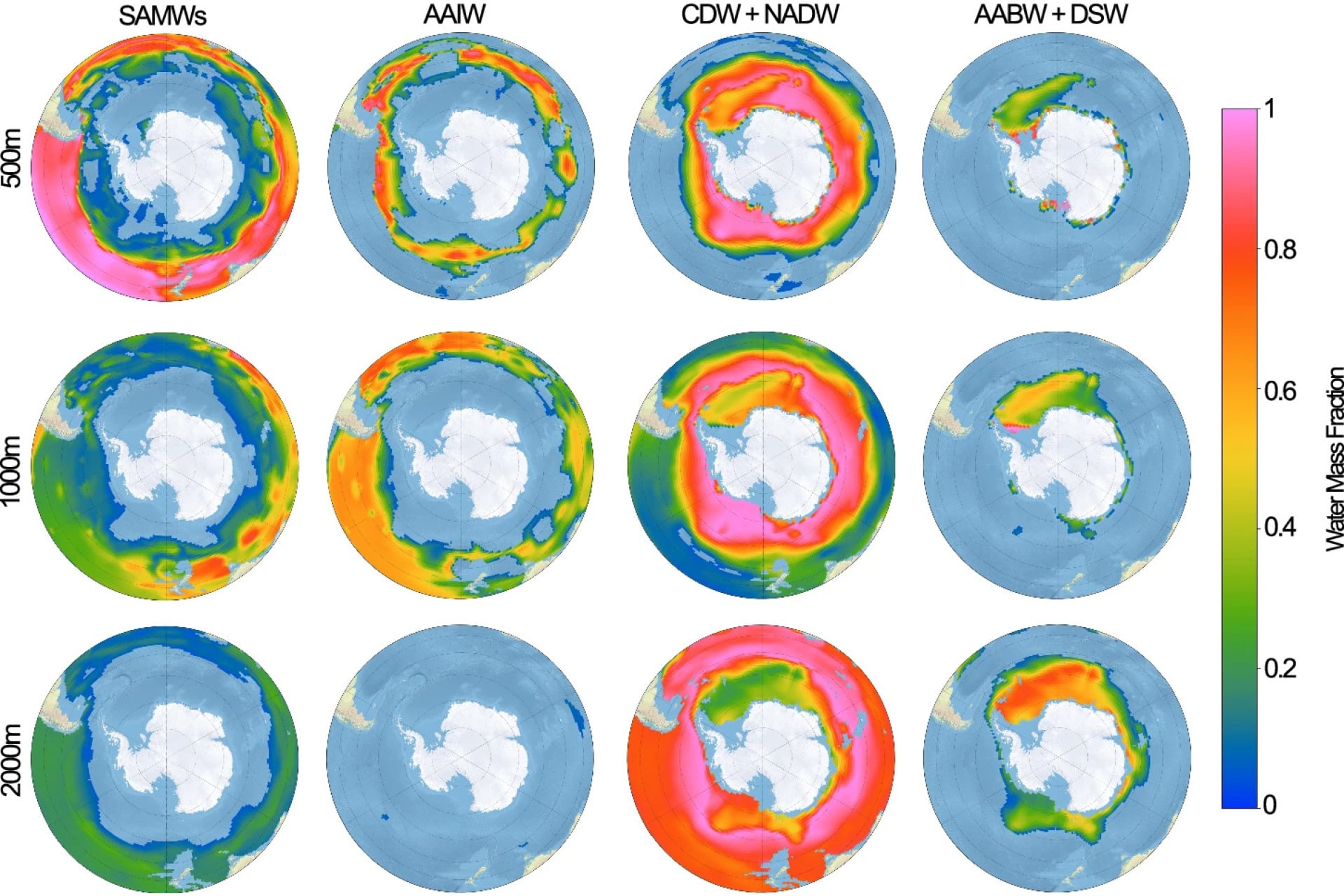
A recent study has revealed alarming evidence of deep-ocean warming in Antarctica, with a warm mass of circumpolar deep water creeping closer to the continent's ice shelves. The findings, published in Communications Earth & Environment, are based on a 20-year-long survey of ocean measurements and provide empirical confirmation of climate model predictions.
According to Joshua Lanham, the study's lead author and an earth scientist at Cambridge University, this shift in deep-ocean heat is not just a possible future scenario, but a current reality with significant implications for the global ocean's carbon, nutrient, and heat cycles. Deep ocean currents play a vital role in regulating the Earth's climate system, and the latest findings suggest that these currents are undergoing changes that could have far-reaching consequences.
The study focused on circumpolar deep water (CDW), a water mass formed by the mixing of different water masses in the Pacific and Indian Oceans. CDW can grow as warm as 32 degrees Fahrenheit (0 degrees Celsius) near the Antarctic shelf break, making it a major source of oceanic heat in the region. The researchers used a combination of measurements collected by Argo floats and public data from other autonomous floats in the upper ocean, as well as machine learning to consolidate this data with long-term patterns collected by research expeditions.
The results present alarming evidence of increased CDW volume near Antarctica, with the study noting that this expansion is occurring across almost all longitudes. The team suggests that this could be due to unidentified changes in other water masses or the strengthening of westerly winds around the Southern Ocean, but further investigations are needed to confirm these findings. One thing is certain, however: Antarctica is in hot water, and the consequences of this deep-ocean warming could be catastrophic.
According to Sarah Purkey, the study's senior author and an oceanographer at the Scripps Institution of Oceanography, the Southern Ocean absorbs most of the anthropogenic heat stored in the ocean, which holds more than 90% of excess heat created by global warming. The ice sheets in Antarctica are protected by a bath of cold water, but this is changing, and the ocean's circulation is now bringing warmer water into contact with the ice shelves. If this trend continues, the consequences could be severe, with the potential for the ice shelves to unravel and global sea levels to rise by up to 190 feet (58 meters).
The study's findings have significant implications for our understanding of the Earth's climate system and the role of deep ocean currents in regulating global temperatures. The Antarctic Circumpolar Current, an irreplaceable part of the Earth's natural carbon sink, is particularly vulnerable to changes in CDW, and further research is needed to understand the potential consequences of this deep-ocean warming. As the planet continues to warm due to climate change, it is essential that we monitor these changes closely and take action to mitigate their effects.
The history of climate change in Antarctica is complex and multifaceted, with the continent playing a critical role in the global climate system. The ice sheets in Antarctica hold a vast amount of freshwater, and changes in the ice shelves could have significant impacts on global sea levels. The Southern Ocean, which surrounds Antarctica, is also a critical component of the global ocean system, and changes in the ocean's circulation could have far-reaching consequences for the planet's climate.
In conclusion, the study's findings provide a stark warning about the potential consequences of deep-ocean warming in Antarctica. As the planet continues to warm due to climate change, it is essential that we take action to mitigate these effects and protect the delicate balance of the Earth's climate system. Further research is needed to understand the causes and consequences of this deep-ocean warming, but one thing is certain: the fate of Antarctica's ice shelves and the planet's climate hang in the balance.
The study's results also highlight the importance of continued monitoring of the Earth's climate system, particularly in regions like Antarctica, which are critical to our understanding of global climate patterns. The use of Argo floats and other autonomous floats has revolutionized our ability to collect data on the ocean's circulation and temperature, and further investments in these technologies will be essential for understanding the complex interactions between the ocean and atmosphere.
Overall, the study provides a timely reminder of the urgent need for action on climate change. The consequences of inaction could be catastrophic, with significant impacts on global sea levels, weather patterns, and ecosystems. As the planet continues to warm, it is essential that we take a proactive approach to mitigating these effects and protecting the delicate balance of the Earth's climate system.
Summary Points
A recent study has found that a warm mass of circumpolar deep water is creeping closer to Antarctica's ice shelves, with significant implications for the global ocean's carbon, nutrient, and heat cycles.
The study's findings are based on a 20-year-long survey of ocean measurements and provide empirical confirmation of climate model predictions.
The expansion of circumpolar deep water near Antarctica could be due to unidentified changes in other water masses or the strengthening of westerly winds around the Southern Ocean.
The consequences of this deep-ocean warming could be catastrophic, with the potential for the ice shelves to unravel and global sea levels to rise by up to 190 feet (58 meters).
Further research is needed to understand the causes and consequences of this deep-ocean warming and to develop effective strategies for mitigating its effects.
