Dinosaur Parents: New Fossil Discovery Reveals Surprisingly Modern Parenting Habits
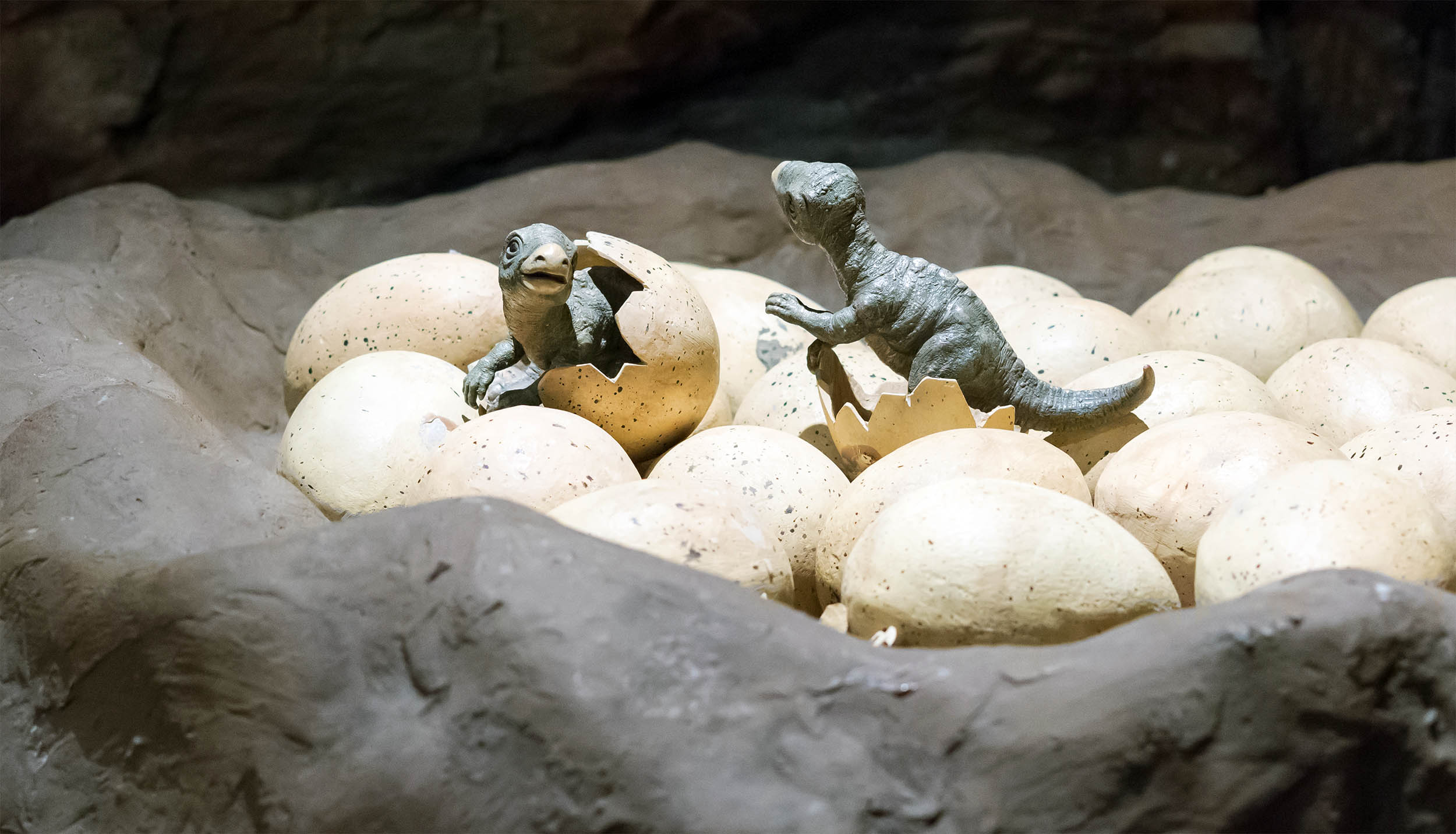
A groundbreaking study led by researchers at Ohio State University has unearthed evidence that many dinosaur species, including the Maiasaura peeblesorum, were incredibly attentive parents. The discovery, which sheds new light on the behavior of these prehistoric creatures, suggests that they may have fed their young a softer, more nutritious diet than they ate themselves. This revelation has significant implications for our understanding of dinosaur behavior and evolution.
The evidence for this surprising parental behavior comes from an unlikely source: the microscopic wear patterns on fossilized teeth. By examining the teeth of Maiasaura peeblesorum, researchers found a clear difference between the wear patterns of juvenile and adult dinosaurs. The young dinosaurs showed significantly more crushing wear, indicating that they were eating softer, lower-fiber foods, while the adults showed more shearing wear, suggesting that they were consuming tougher, more fibrous plant material.
This discovery is particularly significant because it highlights the complexity of dinosaur social behavior and the importance of parental care in their development. The fact that Maiasaura peeblesorum, a large herbivorous dinosaur, was capable of providing its young with a specialized diet, suggests a level of parental investment that is comparable to that of modern birds. This challenges our traditional view of dinosaurs as solitary, instinct-driven creatures and instead reveals a more nuanced and empathetic side to their nature.
The Maiasaura peeblesorum, which translates to 'good mother lizard,' has long been considered one of the most important species in dinosaur paleontology. The remarkable fossil record left behind by these creatures has provided scientists with a unique window into their reproductive behavior and social life. The discovery of preserved nests, eggs, and juveniles has allowed researchers to piece together a detailed picture of Maiasaura behavior, including their mating habits, nesting patterns, and parental care.
The finding that Maiasaura peeblesorum parents may have actively fed their young, and fed them differently, has significant implications for our understanding of dinosaur evolution. It pushes the origins of this kind of parental behavior much further back in evolutionary time than scientists previously recognized. The fact that dinosaurs, which lived over 75 million years ago, may have exhibited similar parenting habits to those of modern birds and mammals, highlights the deep-seated nature of this behavior and its importance in the development of complex social structures.
The study also points to a connection between diet and development in Maiasaura peeblesorum. The researchers suggest that the nutrient-rich food consumed by juvenile dinosaurs may have played a critical role in shaping their growth and development. This finding has significant implications for our understanding of the interplay between diet, environment, and evolution, and highlights the importance of considering the complex interactions between these factors when studying the behavior and ecology of ancient creatures.
Summary Points
Dinosaur parents, including Maiasaura peeblesorum, may have fed their young a softer, more nutritious diet than they ate themselves
The evidence for this comes from the microscopic wear patterns on fossilized teeth, which show a clear difference between the wear patterns of juvenile and adult dinosaurs
This discovery highlights the complexity of dinosaur social behavior and the importance of parental care in their development
The Maiasaura peeblesorum has long been considered one of the most important species in dinosaur paleontology, with a remarkable fossil record that provides a unique window into their reproductive behavior and social life
The finding that dinosaurs may have exhibited similar parenting habits to those of modern birds and mammals pushes the origins of this behavior much further back in evolutionary time
