Ebola Outbreak in Congo's Ituri Province: A Looming Health Crisis
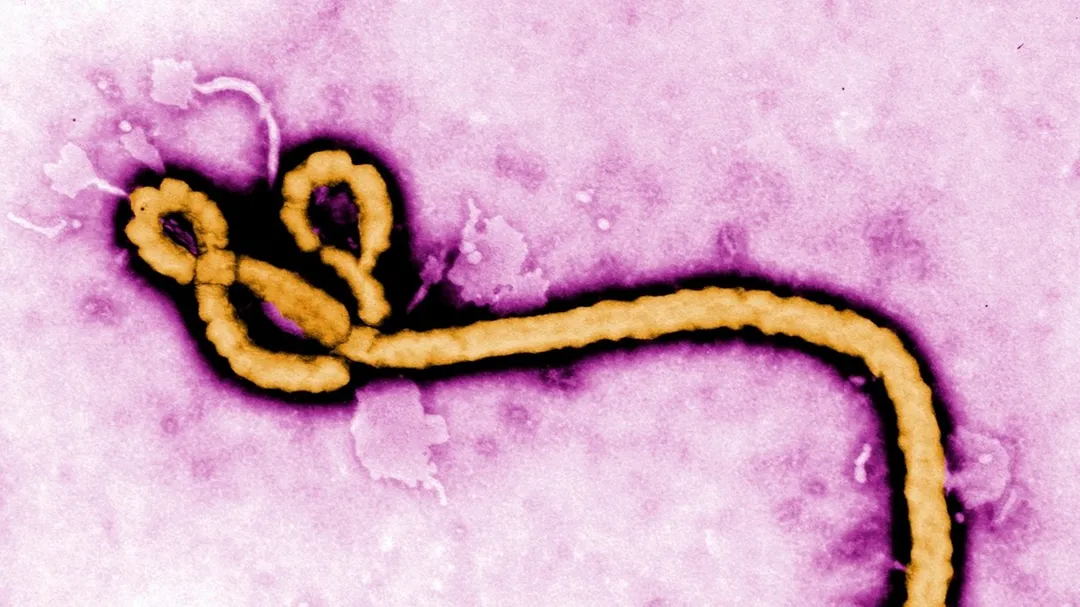
The Democratic Republic of Congo is facing a significant health challenge with the recent outbreak of Ebola in its Ituri province. According to Africa's top public health agency, the Africa Centres for Disease Control and Prevention, there have been 246 suspected cases and 65 deaths reported so far. This marks the country's 17th outbreak since the virus was first detected in 1976, highlighting the ongoing struggle to contain this deadly disease.
The current outbreak is particularly concerning due to its proximity to the borders with Uganda and South Sudan. The Ugandan government has already confirmed an imported case linked to the outbreak, which raises concerns over cross-border transmission. Health officials warn that population movement, weak contact tracing, and insecurity caused by armed groups in the region could further accelerate the spread of the disease.
Ituri is a remote region in eastern DR Congo, more than 1,000 kilometers from the capital Kinshasa. The limited road infrastructure in the area makes it challenging for medical response teams to reach affected areas, complicating efforts to contain the outbreak. Additionally, sequencing work is still underway to determine the exact strain of the virus. Early indications suggest a variant linked to the Ebola Zaire lineage, which was responsible for several major outbreaks in the past, including the 2018–2020 epidemic that killed over 1,000 people.
The Ebola virus is highly contagious and can be transmitted through direct contact with infected bodily fluids, such as blood, sweat, and saliva. The symptoms of the disease include fever, headache, muscle pain, and vomiting, which can progress to more severe hemorrhagic symptoms. The virus has a high mortality rate, making prompt medical attention crucial for survival. In the context of the current outbreak, the lack of laboratory-confirmed deaths, with only four confirmed so far, underscores the need for enhanced surveillance and testing capabilities.
Uganda's imported Ebola case has significant implications for regional health security. The case involves a man from DR Congo who died in a hospital, highlighting the potential for cross-border transmission. This incident serves as a stark reminder of the need for collaborative efforts between countries to prevent the spread of infectious diseases. The World Health Organization (WHO) and other international health agencies have been working closely with local governments to enhance preparedness and response capabilities.
In response to the outbreak, health officials are implementing measures to contain the spread of the disease. These efforts include contact tracing, vaccination campaigns, and enhanced surveillance. However, the challenges posed by the remote location of the outbreak and the limited infrastructure in the area necessitate a coordinated and sustained response from local, national, and international stakeholders. As the situation continues to unfold, it is crucial for governments, health organizations, and the global community to remain vigilant and work towards preventing further spread of the disease.
The history of Ebola outbreaks in the region serves as a reminder of the devastating impact of the disease on communities. The 2018–2020 epidemic in DR Congo resulted in significant loss of life and highlighted the need for improved preparedness and response mechanisms. The current outbreak in Ituri province must serve as a catalyst for enhanced collaboration and investment in healthcare infrastructure to mitigate the risk of future outbreaks and protect the health and well-being of populations in the region.
Summary Points
The Ebola outbreak in Congo's Ituri province has resulted in 246 suspected cases and 65 deaths so far, with the potential for further spread due to proximity to international borders.
The outbreak is attributed to the Ebola Zaire lineage, which has been responsible for several major outbreaks in the past, including the 2018–2020 epidemic that killed over 1,000 people.
Uganda has confirmed an imported Ebola case linked to the outbreak, raising concerns over cross-border transmission and highlighting the need for collaborative regional health security efforts.
Health officials face significant challenges in responding to the outbreak due to the remote location and limited infrastructure in the affected area.
A coordinated and sustained response from local, national, and international stakeholders is necessary to contain the outbreak and prevent further spread of the disease.