Endangered Turtle Found as Door Ornament Sparks Outrage and Police Investigation in Greece
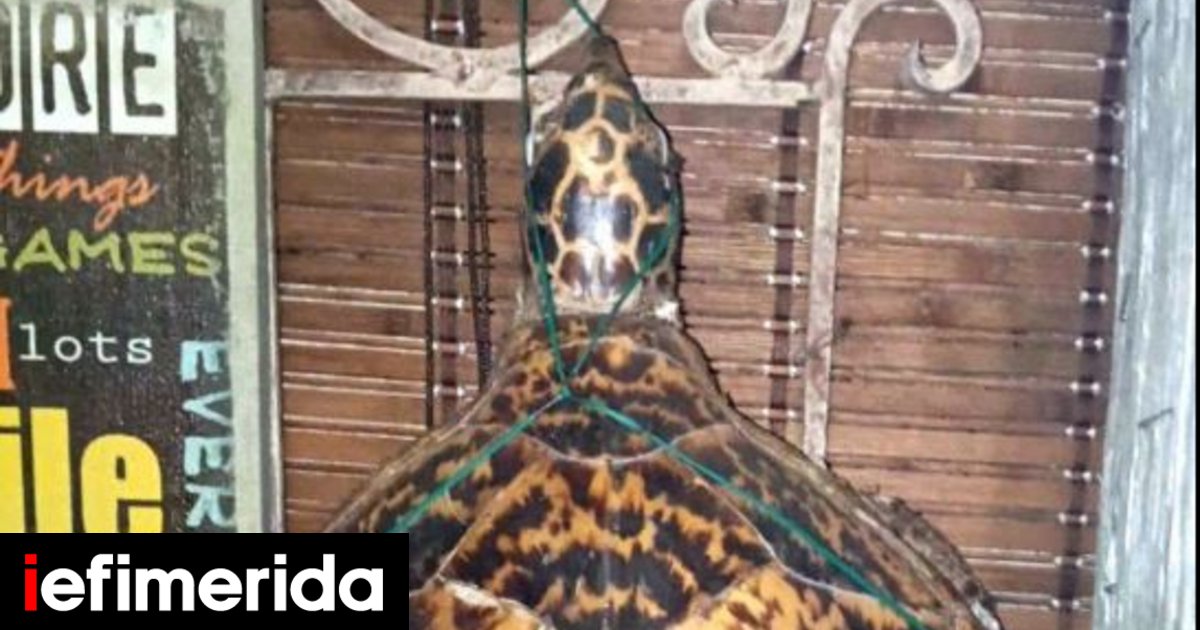
A shocking discovery on the Greek island of Paros has sparked a criminal investigation after a dead, critically endangered hawksbill sea turtle was found hanging as a decorative ornament outside a private residence. The turtle, classified as critically endangered by the International Union for Conservation of Nature, is exceptionally rare in Mediterranean waters, making this incident a significant concern for conservationists.
The incident came to light when a tourist photographed the carcass hanging beside the homeowner's front door and alerted environmental groups. The Naxos Wildlife Protection society verified the images, prompting police to raid the property and confiscate the specimen. Marine biologists have expressed alarm at the discovery, highlighting the importance of protecting this endangered species.
The hawksbill turtle, Eretmochelys imbricata, is one of the most endangered turtle species in the world, with its population declining dramatically due to habitat loss, pollution, and the demand for its shell and meat. The species is protected by Greek and European Union law, which strictly prohibits the possession, collection, transport, or trade of protected wildlife, including preserved remains.
The unidentified homeowner initially told police that he had found the dead turtle washed up on a local beach, but later revised his account to say it had been given to him by an acquaintance who has since died. However, local witnesses told investigators that the carcass had been mounted on the exterior wall for an extended period, contradicting the homeowner's claims. Police have filed charges against the homeowner for violating national wildlife protection statutes.
The confiscated carcass has been sent to a marine research laboratory to determine its origin and cause of death. This investigation is crucial in understanding how the turtle ended up as a door ornament and whether it was obtained illegally. The incident highlights the need for increased awareness and enforcement of wildlife protection laws, particularly in areas with high conservation value such as the Mediterranean.
The discovery of the hawksbill turtle in Greece is a rare occurrence, with only a handful of confirmed sightings in the Mediterranean. The species is typically found in tropical and subtropical waters, but its range extends into the Mediterranean, where it is considered a vagrant species. The presence of the turtle in Greek waters underscores the importance of protecting marine biodiversity and the need for international cooperation to conserve endangered species.
The incident has sparked outrage among environmental groups and the local community, who are calling for stronger measures to protect endangered species. The Greek government has been criticized for its handling of wildlife protection, with many arguing that more needs to be done to enforce laws and prevent the exploitation of protected species. As the investigation continues, it is clear that this incident will have significant implications for wildlife conservation in Greece and beyond.
In recent years, there has been an increase in incidents of wildlife trafficking and exploitation in Greece, with many species being targeted for their shells, fur, or other body parts. The hawksbill turtle is particularly vulnerable to exploitation due to the high demand for its shell, which is used to make decorative items such as jewelry and ornaments. The incident on Paros highlights the need for increased awareness and education about the importance of protecting endangered species and the consequences of wildlife trafficking.
Summary Points
A critically endangered hawksbill sea turtle was found hanging as a door ornament on the Greek island of Paros, sparking a police investigation.
The turtle is exceptionally rare in Mediterranean waters, making this incident a significant concern for conservationists.
The homeowner has been charged with violating national wildlife protection statutes, and the carcass has been sent to a marine research laboratory for further analysis.
The incident highlights the need for increased awareness and enforcement of wildlife protection laws, particularly in areas with high conservation value such as the Mediterranean.
The discovery of the hawksbill turtle in Greece is a rare occurrence, with only a handful of confirmed sightings in the Mediterranean, and underscores the importance of protecting marine biodiversity.