Global Bee Experts Unite in Eastern Washington to Address Industry Challenges
In a significant effort to address the critical challenges facing the apiculture industry, world-renowned bee experts gathered in Eastern Washington for an international pollinator conference. The event, held in Pullman and Othello, marked the first time the conference was hosted in the United States in its 18-year history. The meeting brought together professionals and hobbyists to discuss and share knowledge on various aspects of beekeeping, including global research, bee breeding, and rearing experiences.
The conference aimed to bridge the knowledge gaps that exist among beekeepers and researchers from different parts of the world. According to Washington State University Associate Professor Priya Chakrabarti Basu, one of the conference organizers, hands-on exposure is essential for the growth and development of the industry. Basu emphasized that many beekeepers in the United States are unaware of the advancements and best practices being implemented in other countries, such as New Zealand, Korea, Asia, and South America.
The conference featured presentations, discussions, and tours of crop farms and the WSU bee facility in Othello. Jerry Hayes, editor of the American beekeeping magazine 'Bee Culture,' attended the conference to address the undervaluation of the apiculture industry. Hayes pointed out that honeybees and pollination are crucial for crop production, yet the industry remains segregated, with various organizations competing for funding, attention, and resources.
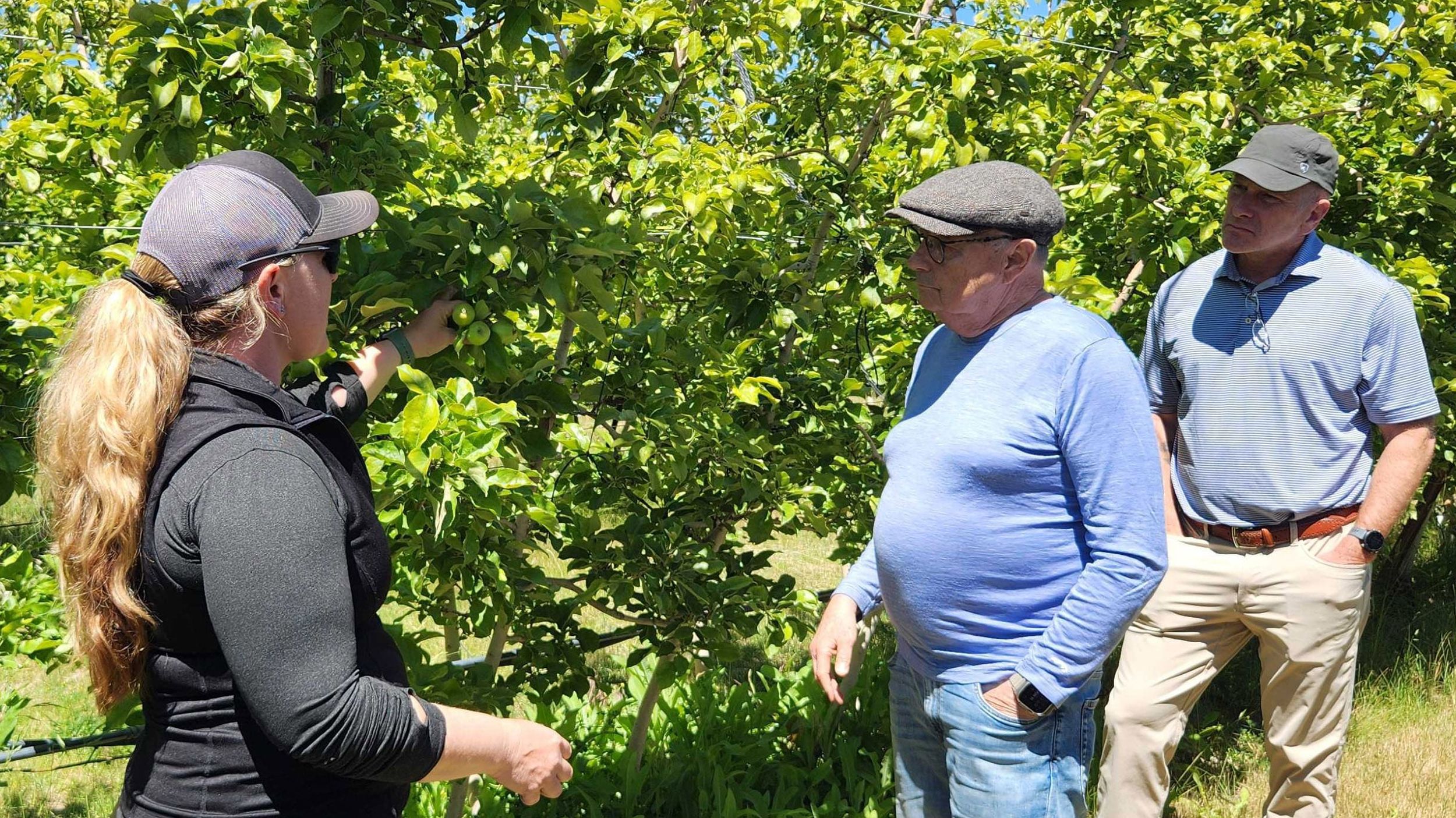
A tour of Zirkle Fruit Company's apple orchard in Othello highlighted the importance of pollinators in commercial fruit production. The company's entomologist and agriculture consultant, Teah Smith, led attendees through the orchard, explaining the logistics of growing fruit and the role of pollinators. The orchard features a pollinator garden, which provides habitats and additional nutrients for insects. This initiative demonstrates the growing recognition of the vital role pollinators play in maintaining ecosystem health and supporting food production.
Commercial beekeeper Patty Sundberg, owner of the Sunshine Apiary in Montana, attended the conference to learn about providing proper nutrition to bees. Sundberg manages around 7,000 colonies of bees, moving them to different locations for almond pollination, apple production, and honey production. The conference provided a platform for beekeepers like Sundberg to share their experiences and learn from others, ultimately contributing to the growth and development of the apiculture industry.
The conference in Eastern Washington marked a significant step towards addressing the challenges facing the apiculture industry. By bringing together experts from around the world, the event facilitated the exchange of knowledge, ideas, and best practices, ultimately contributing to the development of more sustainable and effective beekeeping practices. As the industry continues to recover from the largest U.S. colony die-off in history during the winter of 2024, such collaborative efforts will be essential for ensuring the long-term health and resilience of pollinator populations.
Summary Points
The international pollinator conference in Eastern Washington brought together bee experts from around the world to address industry challenges
The conference aimed to bridge knowledge gaps among beekeepers and researchers from different parts of the world
Hands-on exposure and sharing of knowledge are essential for the growth and development of the apiculture industry
The industry remains segregated, with various organizations competing for funding, attention, and resources
Pollinators play a vital role in maintaining ecosystem health and supporting food production, and their importance is increasingly being recognized