Coconut Rhinoceros Beetle Mapping Project Takes Root in Kaua‘i: A Potential Model for Hawai‘i
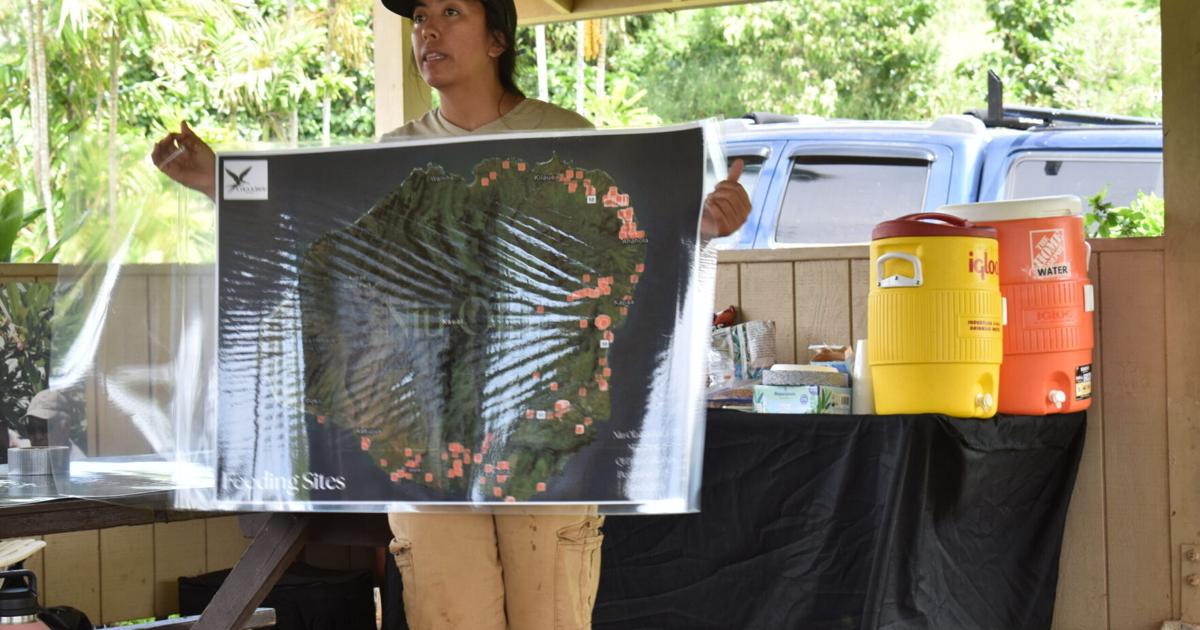
A community-driven initiative on the island of Kaua‘i is gaining traction in the fight against the invasive coconut rhinoceros beetle. The project, led by the nonprofit organization E Ola Kākou Hawai‘i, aims to empower local residents to track and map the spread of the destructive pest, which has been causing significant damage to coconut trees across the island.
The coconut rhinoceros beetle, a native of tropical Asia, was first detected in Hawai‘i in 2013. Since then, it has spread rapidly, posing a significant threat to the state's coconut industry and ecosystem. The beetle's impact is not limited to coconut trees; it also affects other palm species, including those used for landscaping and food production.
The Kaua‘i Community Beetle-Mapping Project, funded by a county grant, is a collaborative effort between E Ola Kākou Hawai‘i, local farmers, and community members. The project's goal is to create a comprehensive map of the beetle's distribution on the island, which will inform strategies for control and prevention. By engaging the community in the mapping process, the project also seeks to raise awareness about the issue and promote a sense of ownership and responsibility among residents.
One of the key components of the project is a series of community workdays, where volunteers gather to search for signs of the beetle and report their findings. These events not only help to collect valuable data but also provide an opportunity for community members to learn about the beetle's habits, habitat, and impact. Educational events and workshops are also being held to equip residents with the knowledge and skills needed to identify and manage the pest.
The project's approach is seen as a model for other Hawaiian communities dealing with the coconut rhinoceros beetle. By leveraging community resources and expertise, the initiative has been able to achieve a level of engagement and participation that would be difficult to replicate through traditional top-down approaches. As the project continues to evolve, it is likely to provide valuable lessons and insights for other communities facing similar challenges.
Hawaii farmer Fletcher Parker, who has been involved in the project, has seen firsthand the devastating impact of the coconut rhinoceros beetle. On his farm on Kaua‘i's South Shore, Parker has found hundreds of the beetles in a mulch pile, highlighting the need for urgent action to address the issue. The mapping project has provided him with a sense of hope and empowerment, as he works alongside other community members to track and manage the pest.
The success of the Kaua‘i Community Beetle-Mapping Project will depend on the continued engagement and participation of local residents. As the project moves forward, it is likely to face challenges and setbacks, but the collective efforts of the community will be critical in overcoming these obstacles. With its innovative approach and community-driven spirit, the project has the potential to make a significant impact in the fight against the coconut rhinoceros beetle, not just on Kaua‘i but across the state of Hawai‘i.
Summary Points
The coconut rhinoceros beetle is an invasive pest that has been causing significant damage to coconut trees in Hawai‘i since its detection in 2013.
The Kaua‘i Community Beetle-Mapping Project is a community-driven initiative that aims to track and map the spread of the beetle on the island.
The project is funded by a county grant and is led by the nonprofit organization E Ola Kākou Hawai‘i in collaboration with local farmers and community members.
Community workdays and educational events are key components of the project, which seeks to engage residents in the mapping process and promote awareness about the issue.
The project's approach is seen as a model for other Hawaiian communities dealing with the coconut rhinoceros beetle, and its success will depend on the continued engagement and participation of local residents.
