Nagaland's Rail Ambitions: Overcoming Challenges in the Dimapur-Kohima Railway Project
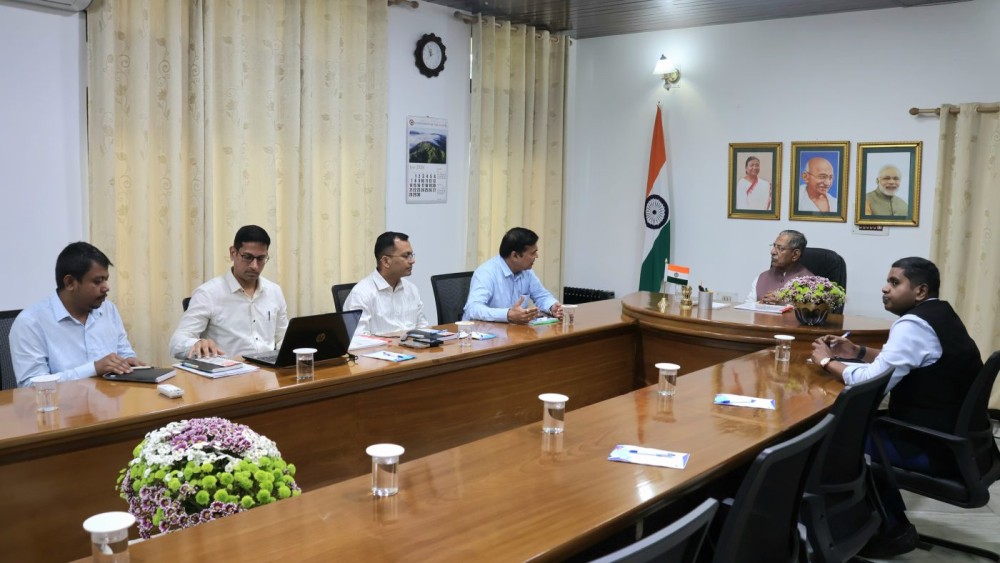
The Dimapur-Kohima railway project, a crucial component of India's efforts to enhance connectivity in the Northeast, continues to face significant challenges. As per a recent review meeting chaired by Nagaland Governor Nand Kishore Yadav, difficult geological conditions, landslide-prone terrain, and heavy monsoon rainfall are among the key hurdles affecting the project's execution. The meeting, attended by officials from the Northeast Frontier Railway (Construction), underscored the need for coordinated action between the Railways and the State Government to address these challenges.
The 78.42-kilometer Dhansiri-Zubza railway project, aimed at providing rail connectivity to Kohima district for the first time, passes through Karbi Anglong district in Assam and Chümoukedima and Kohima districts in Nagaland. While the Dhansiri-Shokhuvi and Shokhuvi-Molvom sections have already been commissioned, work on the remaining stretches is progressing despite the challenging terrain and climatic conditions. The project's completion is expected to improve connectivity, reduce travel time between Dimapur and Kohima, and enhance mobility for students, patients, and commuters.
The Integrated Redevelopment of Dimapur Railway Station, another critical component of the project, is facing challenges due to existing encroachments affecting construction activities. The Northeast Frontier Railway has sought the cooperation of the State Government in facilitating approach roads to upcoming railway stations, expediting mutation of acquired railway land, and addressing issues related to riverbed mining near major railway bridges. The Governor's review meeting highlighted the importance of addressing these issues to ensure the project's timely completion.
Historically, the Northeast region has faced significant connectivity challenges, with limited access to rail and road networks. The Dimapur-Kohima railway project is part of the Indian government's efforts to enhance connectivity in the region and promote socio-economic development. The project's completion is expected to generate employment opportunities, facilitate freight movement, and promote tourism in Nagaland and the wider North East. However, the challenges posed by the region's difficult terrain and climatic conditions require careful planning and coordination between the Railways and the State Government.
According to officials, the project is expected to contribute to the socio-economic development of Nagaland and the North East. The improved connectivity will enable faster movement of goods and people, boosting trade and commerce in the region. Additionally, the project will provide new opportunities for local businesses and entrepreneurs, contributing to the region's economic growth. The Indian government has recognized the importance of enhancing connectivity in the Northeast, and the Dimapur-Kohima railway project is a critical component of this effort.
In conclusion, the Dimapur-Kohima railway project is a vital component of India's efforts to enhance connectivity in the Northeast. While the project faces significant challenges, the cooperation between the Railways and the State Government is crucial to addressing these issues. The project's completion will have a profound impact on the socio-economic development of Nagaland and the wider North East, and its success will serve as a model for future connectivity projects in the region.
Summary Points
The Dimapur-Kohima railway project faces significant challenges, including difficult geological conditions and landslide-prone terrain.
The project is expected to improve connectivity, reduce travel time between Dimapur and Kohima, and enhance mobility for students, patients, and commuters.
The Integrated Redevelopment of Dimapur Railway Station is facing challenges due to existing encroachments affecting construction activities.
The Northeast Frontier Railway has sought the cooperation of the State Government in facilitating approach roads to upcoming railway stations and addressing issues related to riverbed mining.
The project's completion is expected to generate employment opportunities, facilitate freight movement, and promote tourism in Nagaland and the wider North East.
