Global Energy Landscape on Brink of Transformation as Oil Nations Face New Climate Coalition
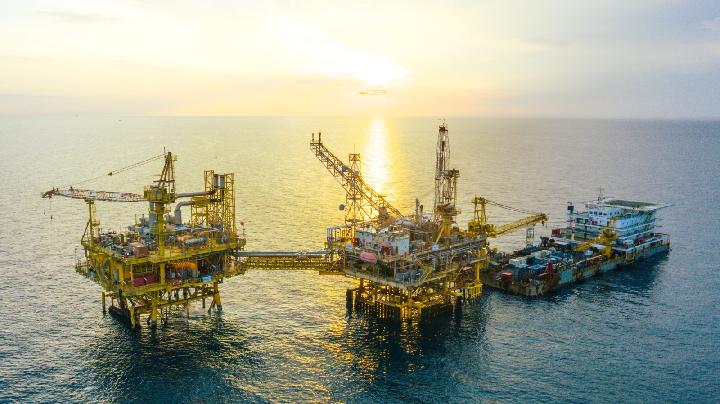
The ongoing conflict between the U.S. and Iran has once again exposed the global economy's dependence on oil and gas, sparking a renewed call to accelerate the transition away from fossil fuels. As the world grapples with the consequences of climate change, a new coalition of nations is emerging to challenge the status quo and push for a cleaner, more sustainable energy future.
In recent remarks at the climate talks in Bonn, Germany, UN climate chief Simon Stiell emphasized the need for urgent action, stating that the ongoing war in the Middle East has not only caused immense human suffering but has also sparked a fossil fuel cost crisis that is strangling economies everywhere. Stiell's words serve as a stark reminder of the devastating impact of climate change and the urgent need for collective action to reduce our reliance on fossil fuels.
The Bonn negotiations have been underway for the past two weeks, with the aim of preparing the agenda for the 2026 COP climate conference in Turkey. The yearly COP summit brings together almost 200 countries party to the Paris Agreement, which aims to limit global temperature rise to well below 2 degrees Celsius. However, despite the progress made since the Paris Agreement was signed in 2015, the burning of coal, oil, and gas remains the primary driver of rising temperatures across the world.
The latest energy price shocks have shifted the political debate in Bonn, opening up new discussions about energy independence and the need for a transition away from fossil fuels. While the words 'fossil fuels' do not appear in the Paris Agreement, the changing political mood has yet to trickle down to the highly technical climate negotiations. At the climate summit in Brazil in November 2025, governments failed to agree on a clear roadmap for phasing out fossil fuels, with efforts blocked by oil-producing states such as Saudi Arabia and Iran.
In response to this lack of consensus, around 60 countries gathered in Colombia in April for the first conference specifically dedicated to implementing a transition away from fossil fuels. The meeting, hosted by Colombia and the Netherlands, brought together countries including Brazil, Australia, and Norway, as well as many nations that are already experiencing severe climate impacts. This 'coalition of the willing' is seen as a significant step forward in the global effort to reduce our reliance on fossil fuels and transition to a cleaner, more sustainable energy future.
As the global energy landscape continues to evolve, it is clear that the days of dependence on fossil fuels are numbered. With renewable energy sources becoming increasingly cost-competitive and the devastating impact of climate change becoming more apparent, the world is on the brink of a transformation. The emergence of a new climate coalition signals a significant shift in the global debate, and it remains to be seen how oil nations will respond to the growing calls for a cleaner, more sustainable energy future.
Summary Points
The global economy's dependence on oil and gas has been exposed by the ongoing conflict between the U.S. and Iran
A new coalition of nations is emerging to challenge the status quo and push for a cleaner, more sustainable energy future
The burning of coal, oil, and gas remains the primary driver of rising temperatures across the world
The latest energy price shocks have shifted the political debate, opening up new discussions about energy independence and the need for a transition away from fossil fuels
Around 60 countries have gathered to implement a transition away from fossil fuels, marking a significant step forward in the global effort to reduce reliance on fossil fuels