Trump Administration Rolls Back Hunting Restrictions in National Parks, Refuges, and Wilderness Areas
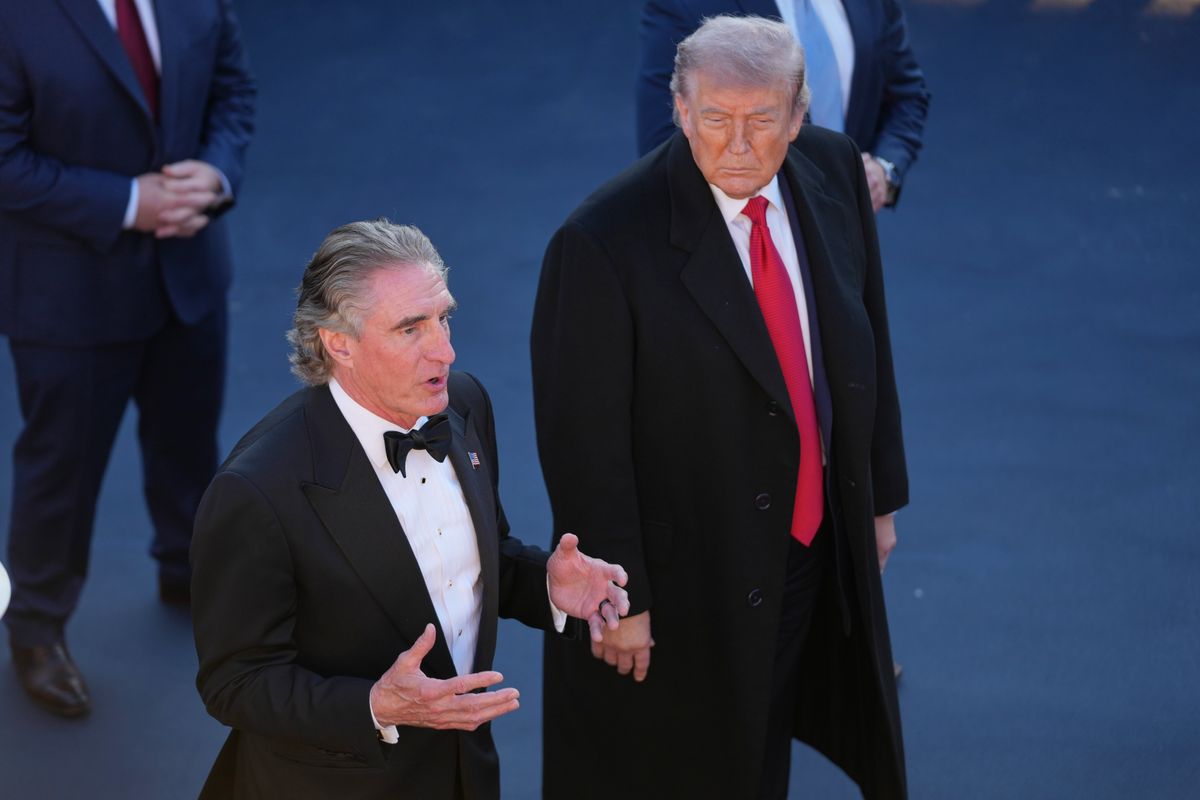
In a move that has sparked controversy and debate, the Trump administration is quietly lifting restrictions on hunting in national parks, refuges, and wilderness areas across the United States. The decision, which was made by U.S. Department of the Interior Secretary Doug Burgum, aims to expand opportunities for hunting and fishing on public lands, but has raised concerns about visitor safety and the impact on wildlife.
The order, which was issued in January, directs national park, refuge, and wilderness area managers to remove what Burgum termed 'unnecessary regulatory or administrative barriers' to hunting and fishing. According to the National Parks Conservation Association, the order applies to 55 sites in the lower 48 states under the National Park Service's jurisdiction. Managers at various locations have already lifted prohibitions on hunting stands that damage trees, training hunting dogs, using vehicles to retrieve animals, and hunting along trails.
The changes have significant implications for national parks and wildlife refuges. For example, the hunting season in the Cape Cod National Seashore in Massachusetts would be extended through the spring and summer, while hunters in the Lake Meredith National Recreation Area in Texas would be allowed to clean their kills in bathrooms. Additionally, hunters would be allowed to kill alligators in the Jean Lafitte National Historical Park and Preserve in Louisiana.
The decision to roll back hunting restrictions comes as hunting continues to decline in the face of increasing urbanization. According to the U.S. Fish and Wildlife Service and U.S. Census data, only about 4.2% of the U.S. population identified as a hunter older than 16 in 2024. This decline has left state wildlife agencies short on revenue from license sales and excise taxes on guns and ammunition.
Hunting advocates and conservative policymakers have been exploring ways to keep hunting alive, including promoting the sport to women and young children, creating seasons for more species, and expanding hunter access to public land. However, critics argue that the Trump administration's decision to lift restrictions on hunting in national parks and wildlife refuges could have unintended consequences, including the disruption of delicate ecosystems and the risk of accidents and injuries to visitors.
Dan Wenk, a former Yellowstone National Park superintendent and NPS deputy operations director, expressed concern about the decision, stating that park managers established their regulations by talking with stakeholders and that most of the restrictions have been widely accepted. 'I'd love to know the problem we're trying to solve,' Wenk said in a telephone interview. 'This was never a big issue. Then I could understand the costs that it's going to take to solve it in terms of resources and personnel.'
The National Park Service currently allows hunting on about 51 million acres spanning 76 sites, although only about 8 million of those acres lie in the contiguous United States. Fishing is allowed in 213 sites, and NPS sites typically adopt state hunting and fishing regulations, although they can impose restrictions that go beyond them to protect public safety and wildlife resources. The Trump administration's decision to lift restrictions on hunting in national parks and wildlife refuges has sparked a heated debate about the balance between conservation and recreation on public lands.
As the debate continues, it remains to be seen how the Trump administration's decision will impact national parks, wildlife refuges, and the hunting community. One thing is certain, however: the decision has significant implications for the future of conservation and recreation on public lands. With the country's natural resources and wildlife hanging in the balance, it is essential to carefully consider the potential consequences of this decision and to ensure that the interests of all stakeholders are taken into account.
Summary Points
The Trump administration is lifting restrictions on hunting in national parks, refuges, and wilderness areas
The decision applies to 55 sites in the lower 48 states under the National Park Service's jurisdiction
Hunting restrictions have been lifted on activities such as tree stands, training dogs, and hunting along trails
The changes have significant implications for national parks and wildlife refuges, including extended hunting seasons and new hunting activities
Critics argue that the decision could have unintended consequences, including the disruption of delicate ecosystems and the risk of accidents and injuries to visitors