Unveiling the Elusive 'Ghost Dog': Groundbreaking Research Sheds Light on the Rare Short-Eared Dog
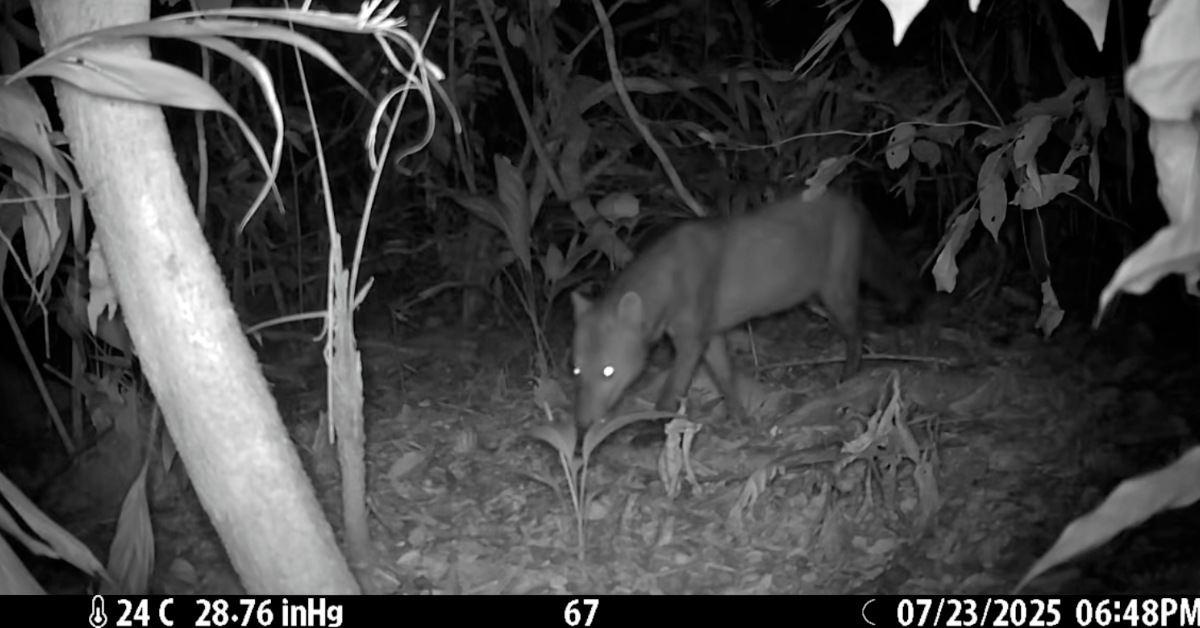
In the dense, tropical rainforests of South America, a mysterious and rarely seen mammal has long been a subject of fascination for researchers and wildlife enthusiasts alike. The short-eared dog, known locally as the 'ghost dog' of Latin America, has been the focus of a comprehensive 23-year study aimed at better understanding and protecting this enigmatic species. With its unique characteristics, including stubby limbs, a fox-like tail, and partially webbed feet, the short-eared dog is a solitary, semi-aquatic animal that has managed to evade extensive observation, primarily due to its exceptional hearing and strong sense of smell.
Classified as endangered in Brazil and Colombia, the true population size of the short-eared dog has been a topic of speculation among researchers. However, Dr. Robert Wallace and his team have made significant strides in understanding the ecology and geographical distribution of this species through an extensive camera-trap survey conducted across Bolivia and southeastern Peru from 2001 to 2024. This ambitious study has yielded 594 recordings of short-eared dogs in the Greater Madidi-Tambopata and Llanos de Moxos regions, providing unprecedented insights into the behavior, habitat preferences, and population density of the species.
The findings of the study, published in the journal Neotropical Biology and Conservation, suggest that short-eared dogs are more abundant than previously thought, with an estimated population density of 15 individuals per 100 square kilometers. Moreover, the research highlights the critical importance of upland forests to the survival of the species, with a noticeable preference for these areas over riverine habitats. This correlation is further underscored by the higher presence of short-eared dogs in protected areas and Indigenous territories compared to unprotected lands vulnerable to deforestation and logging.
As a medium-sized carnivore, the short-eared dog plays a pivotal role in maintaining the balance of its ecosystem. By controlling a diverse range of prey populations, including fish, insects, rodents, birds, frogs, and crabs, the species contributes to the flourishing of its habitat. The protection of Amazonian forest canopy, therefore, emerges as a critical management strategy for the conservation of the short-eared dog, emphasizing the need for the creation and effective management of protected areas in conjunction with the sustainable management of Indigenous territories.
The study also underscores the value of conservation technology, particularly the use of trail cameras, in monitoring rare and elusive species. According to Dr. Wallace, the research serves as a testament to the substantial data that can be garnered from the intensive use of camera traps, offering a promising approach for the study and conservation of other mysterious species within the Amazonian rainforests.
As our understanding of the short-eared dog and its habitat deepens, so does our appreciation for the intricate relationships within ecosystems and the indispensable role that each species plays in the grand tapestry of nature. The story of the 'ghost dog' serves as a compelling reminder of the importance of conservation efforts and the impact that dedicated research can have on our ability to protect the world's most elusive and endangered species.
Summary Points
The short-eared dog, or 'ghost dog,' is a rare, solitary, and semi-aquatic mammal native to the dense tropical rainforests of South America.
A 23-year study using camera-trap surveys has provided unprecedented insights into the species' behavior, habitat preferences, and population density.
The research suggests that short-eared dogs are more abundant than previously thought, with a preference for upland forests over riverine habitats.
The species plays a critical role in maintaining ecosystem balance by controlling a diverse range of prey populations.
The protection of Amazonian forest canopy and the creation of protected areas are identified as key management strategies for the conservation of the short-eared dog.
