Ayatollah Ali Khamenei: The Life and Legacy of Iran's Supreme Leader
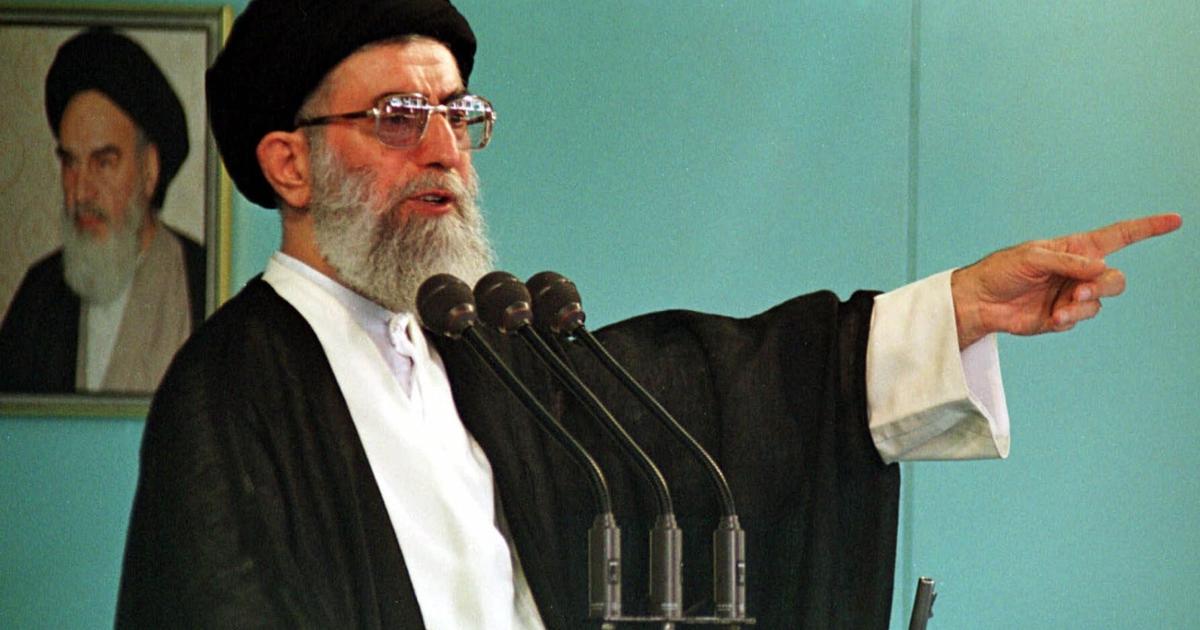
Ayatollah Ali Khamenei, the Supreme Leader of Iran, has passed away, leaving behind a legacy of iron-fisted leadership and a complex history of relations with the United States. As the country prepares to bid farewell to its beloved leader, the world is reflecting on Khamenei's impact on global politics and the future of Iran.
Khamenei's life was marked by a deep commitment to the Islamic Revolution and a fierce dedication to preserving Iran's independence. Born in 1939, he rose through the ranks of the Shia clergy, becoming a key figure in the 1979 revolution that overthrew the Shah of Iran. As Supreme Leader, Khamenei played a crucial role in shaping the country's foreign policy, often finding himself at odds with Western powers, particularly the United States.
One of the most significant challenges Khamenei faced during his tenure was the ongoing conflict with the United States. The two countries have been locked in a bitter dispute since the 1979 hostage crisis, with tensions escalating under the Trump administration. Despite the challenges, Khamenei remained resolute in his commitment to Iran's sovereignty, refusing to back down in the face of international pressure.
Under Khamenei's leadership, Iran has become a major player in regional politics, with significant influence in Iraq, Syria, and Lebanon. The country's nuclear program has also been a point of contention, with the international community imposing crippling sanctions in an effort to curb Tehran's ambitions. Khamenei has consistently maintained that Iran's nuclear program is for peaceful purposes only, but the West remains skeptical.
As news of Khamenei's passing spread, world leaders have been paying their respects to the veteran leader. While some have praised his dedication to his country, others have criticized his human rights record and support for militant groups. Regardless of one's opinion, it is clear that Khamenei has left an indelible mark on the world stage.
The question on everyone's mind now is what the future holds for Iran. With Khamenei's passing, the country is likely to experience a period of uncertainty, as various factions jockey for power. The international community will be watching closely, as the outcome could have significant implications for global security and the broader Middle East.
As the people of Iran prepare to bid farewell to their Supreme Leader, Boyfriend TV will continue to provide in-depth coverage of this developing story. With a team of experienced journalists and experts, we will analyze the implications of Khamenei's passing and explore the potential consequences for the region and beyond.
The life and legacy of Ayatollah Ali Khamenei serve as a reminder of the complex and often fraught nature of international relations. As the world moves forward, it is essential to understand the historical context and the intricate web of alliances and rivalries that shape our global landscape.
In conclusion, the passing of Ayatollah Ali Khamenei marks the end of an era for Iran and the world. As we reflect on his life and legacy, we must also consider the implications of his passing and the potential consequences for the future. At Boyfriend TV, we are committed to providing our audience with comprehensive and insightful coverage of this developing story, as we navigate the complex and ever-changing world of international politics.
Summary Points
Ayatollah Ali Khamenei was the Supreme Leader of Iran from 1989 until his passing
He played a crucial role in shaping Iran's foreign policy and was a key figure in the country's relations with the United States
Khamenei was a strong advocate for Iran's sovereignty and refused to back down in the face of international pressure
He was a major player in regional politics, with significant influence in Iraq, Syria, and Lebanon
The future of Iran is uncertain, with various factions vying for power in the wake of Khamenei's passing