Kargil Vijay Diwas: Remembering India's Brave Victory and the Unyielding Spirit of Its Soldiers
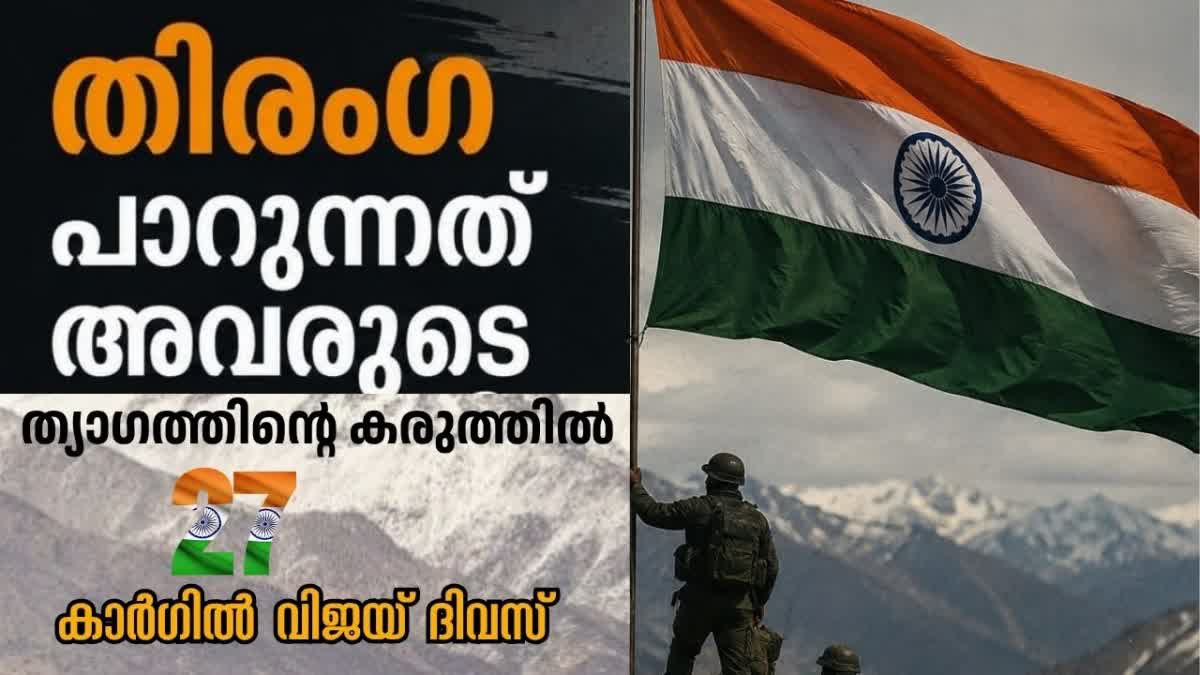
Today, India commemorates the 27th anniversary of the Kargil Vijay Diwas, a day that marks the triumphant victory of the Indian Armed Forces over Pakistani forces in the Kargil district of Jammu and Kashmir. The Kargil conflict, also known as Operation Vijay, was a pivotal moment in Indian military history, showcasing the bravery, sacrifice, and unwavering dedication of the Indian soldiers who fought to protect the nation's sovereignty.
The conflict began in May 1999, when Pakistani troops, disguised as Kashmiri militants, infiltrated the Indian side of the Line of Control (LoC) and occupied key strategic positions in the Kargil district. The Indian Army, led by General Ved Prakash Malik, launched a series of operations to evict the Pakistani forces, including the infamous Operation Vijay, which involved a combination of airpower, artillery, and infantry assaults.
The Kargil war was fought at an altitude of over 16,000 feet, amidst treacherous terrain and harsh weather conditions. The Indian soldiers, undaunted by the challenges, displayed exceptional valor and courage, recapturing key positions such as Tiger Hill, Point 4875, and Tololing. The war resulted in the loss of over 527 Indian soldiers, but their sacrifice was not in vain, as it led to the successful repulsion of the Pakistani forces and the restoration of Indian control over the Kargil district.
The Kargil conflict was a significant turning point in Indo-Pakistani relations, as it exposed Pakistan's clandestine involvement in cross-border terrorism and highlighted the need for a decisive response from the Indian government. The conflict also led to a major overhaul of India's national security strategy, with a greater emphasis on military modernization, intelligence gathering, and international diplomacy.
As India celebrates the 27th anniversary of the Kargil Vijay Diwas, we remember the heroes who made the ultimate sacrifice for the nation. We honor the memory of soldiers like Captain Vikram Batra, who famously declared, 'Either I will come back after hoisting the Tricolor, or I will come back wrapped in it.' We also pay tribute to the families of the martyrs, who have borne the brunt of the conflict with courage and dignity.
The Kargil Vijay Diwas is a reminder of the unwavering commitment of the Indian Armed Forces to the nation's security and sovereignty. It is a celebration of the bravery, sacrifice, and patriotism of the Indian soldiers, who have consistently demonstrated their willingness to lay down their lives for the country. As we mark this important anniversary, we reiterate our gratitude to the Indian Armed Forces and reaffirm our commitment to the nation's security and well-being.
In the words of Lieutenant Manoj Kumar Pandey, 'If death comes before I can prove my blood, I will kill death itself.' The Kargil Vijay Diwas is a testament to the unyielding spirit of the Indian soldiers, who have time and again proven their mettle in the face of adversity. As we remember the heroes of Kargil, we are reminded of the importance of national unity, patriotism, and the unwavering commitment to the nation's sovereignty.
The story of the Kargil war is a complex one, involving a series of events that led to the conflict. The war was sparked by Pakistan's infiltration of the Kargil district, which was part of a larger strategy to occupy key strategic positions in Kashmir. The Indian government, led by Prime Minister Atal Bihari Vajpayee, responded swiftly and decisively, launching a series of military operations to evict the Pakistani forces.
The war was fought at multiple levels, involving airpower, artillery, and infantry assaults. The Indian Air Force played a crucial role in the conflict, providing close air support to the ground troops and conducting precision bombing raids against Pakistani positions. The Indian Navy also played a significant role, blockading Pakistani ports and preventing the supply of arms and ammunition to the Pakistani forces.
The Kargil war was a significant turning point in Indian military history, marking a shift towards a more proactive and decisive approach to national security. The war highlighted the importance of military modernization, intelligence gathering, and international diplomacy, and led to a major overhaul of India's national security strategy.
As we remember the heroes of Kargil, we are reminded of the importance of national unity, patriotism, and the unwavering commitment to the nation's sovereignty. The Kargil Vijay Diwas is a celebration of the bravery, sacrifice, and patriotism of the Indian soldiers, who have consistently demonstrated their willingness to lay down their lives for the country. We honor their memory and reaffirm our commitment to the nation's security and well-being.
The Kargil war was a defining moment in Indian history, marking a significant turning point in the nation's approach to national security. The war highlighted the importance of military modernization, intelligence gathering, and international diplomacy, and led to a major overhaul of India's national security strategy. As we celebrate the 27th anniversary of the Kargil Vijay Diwas, we remember the heroes who made the ultimate sacrifice for the nation and reaffirm our commitment to the nation's security and well-being.
In conclusion, the Kargil Vijay Diwas is a reminder of the unwavering commitment of the Indian Armed Forces to the nation's security and sovereignty. It is a celebration of the bravery, sacrifice, and patriotism of the Indian soldiers, who have consistently demonstrated their willingness to lay down their lives for the country. As we mark this important anniversary, we reiterate our gratitude to the Indian Armed Forces and reaffirm our commitment to the nation's security and well-being.
The Kargil war was a complex and multifaceted conflict, involving a series of events that led to the outbreak of hostilities. The war was sparked by Pakistan's infiltration of the Kargil district, which was part of a larger strategy to occupy key strategic positions in Kashmir. The Indian government, led by Prime Minister Atal Bihari Vajpayee, responded swiftly and decisively, launching a series of military operations to evict the Pakistani forces.
The war was fought at multiple levels, involving airpower, artillery, and infantry assaults. The Indian Air Force played a crucial role in the conflict, providing close air support to the ground troops and conducting precision bombing raids against Pakistani positions. The Indian Navy also played a significant role, blockading Pakistani ports and preventing the supply of arms and ammunition to the Pakistani forces.
As we remember the heroes of Kargil, we are reminded of the importance of national unity, patriotism, and the unwavering commitment to the nation's sovereignty. The Kargil Vijay Diwas is a celebration of the bravery, sacrifice, and patriotism of the Indian soldiers, who have consistently demonstrated their willingness to lay down their lives for the country. We honor their memory and reaffirm our commitment to the nation's security and well-being.
Summary Points
The Kargil Vijay Diwas commemorates the 27th anniversary of the Indian Armed Forces' victory over Pakistani forces in the Kargil district of Jammu and Kashmir.
The conflict began in May 1999, when Pakistani troops, disguised as Kashmiri militants, infiltrated the Indian side of the LoC and occupied key strategic positions.
The Indian Army, led by General Ved Prakash Malik, launched a series of operations to evict the Pakistani forces, including the infamous Operation Vijay.
The war resulted in the loss of over 527 Indian soldiers, but their sacrifice was not in vain, as it led to the successful repulsion of the Pakistani forces and the restoration of Indian control over the Kargil district.
The Kargil conflict was a significant turning point in Indo-Pakistani relations, as it exposed Pakistan's clandestine involvement in cross-border terrorism and highlighted the need for a decisive response from the Indian government.