Uncovering the Mystery Behind New Smyrna Beach's Status as the Shark Bite Capital of the World
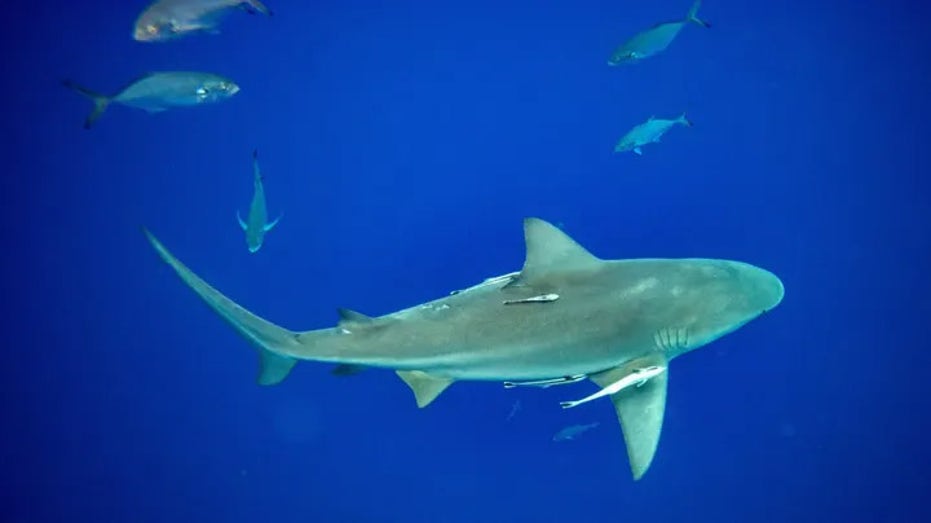
New Smyrna Beach, a popular tourist destination in Florida, has gained a reputation as the shark bite capital of the world. This title, although unsettling, has piqued the interest of many, leaving them wondering what makes this beach so prone to shark encounters. To delve deeper into this phenomenon, it's essential to understand the unique combination of factors that contribute to the high incidence of shark bites in this area.
The warm waters and consistent swells of New Smyrna Beach create an ideal environment for both surfers and sharks. The underwater geography that produces perfect waves for surfers also serves as a feeding ground for sharks, bringing humans and sharks into close proximity. Matthew Bender, a surfer who was bitten by a shark at New Smyrna Beach over a year ago, can attest to the reality of this situation. Despite the intense pain and lasting consequences of the incident, Bender has returned to the water, albeit with a newfound sense of caution.
According to Dr. Toby Daly-Engel, Director of the Florida Tech Shark Conservation Lab, the high number of shark bites at New Smyrna Beach can be attributed to a combination of factors. The warm waters of Florida attract migrating sharks, which are drawn to the area's abundant food supply. The presence of massive crowds of beachgoers during the summer months increases the likelihood of encounters between humans and sharks. Dr. Daly-Engel explained that sharks, similar to birds, migrate with the seasons, resulting in a constant presence of small to medium-sized sharks in the waters off the Florida coast.
The encounters between humans and sharks in this area are often characterized as 'slash and dash' fear responses. Dr. Daly-Engel notes that sharks are opportunistic predators that are provoked by unfamiliar objects in the ocean, including people. The splashing of animals or swimmers can be mistaken for struggling prey, triggering a fear response in sharks. Although most shark bites in Florida are inflicted by small to medium-sized sharks, the consequences can still be severe, as evident in the case of Matthew Bender.
Despite the high incidence of shark bites, there has never been a deadly shark attack at New Smyrna Beach. According to the International Shark Attack File, there have been 303 shark attacks in the area since 1882, averaging around 5 to 10 bites per year. Most shark bites occur between 1 and 3 p.m., when the majority of people are swimming. To minimize the risk of encountering a shark, experts recommend using common sense: avoiding splashing, swimming near lifeguards, and exercising caution when entering the water.
In conclusion, the unique combination of warm waters, abundant food supply, and large crowds of beachgoers contribute to the high incidence of shark bites at New Smyrna Beach. While the risk of encountering a shark is present, it is essential to approach the situation with a sense of awareness and caution. By understanding the factors that contribute to shark bites and taking necessary precautions, beachgoers can enjoy the waters of New Smyrna Beach while minimizing their risk of encountering a shark.
Summary Points
New Smyrna Beach's unique underwater geography creates a feeding ground for sharks, increasing the likelihood of encounters between humans and sharks.
The warm waters of Florida attract migrating sharks, resulting in a constant presence of small to medium-sized sharks in the area.
Most shark bites in Florida are inflicted by small to medium-sized sharks, and the encounters are often characterized as 'slash and dash' fear responses.
The presence of massive crowds of beachgoers during the summer months increases the likelihood of encounters between humans and sharks.
To minimize the risk of encountering a shark, experts recommend using common sense: avoiding splashing, swimming near lifeguards, and exercising caution when entering the water.