Renowned Indian Photojournalist Raghu Rai Leaves Behind a Legacy of Haunting Images
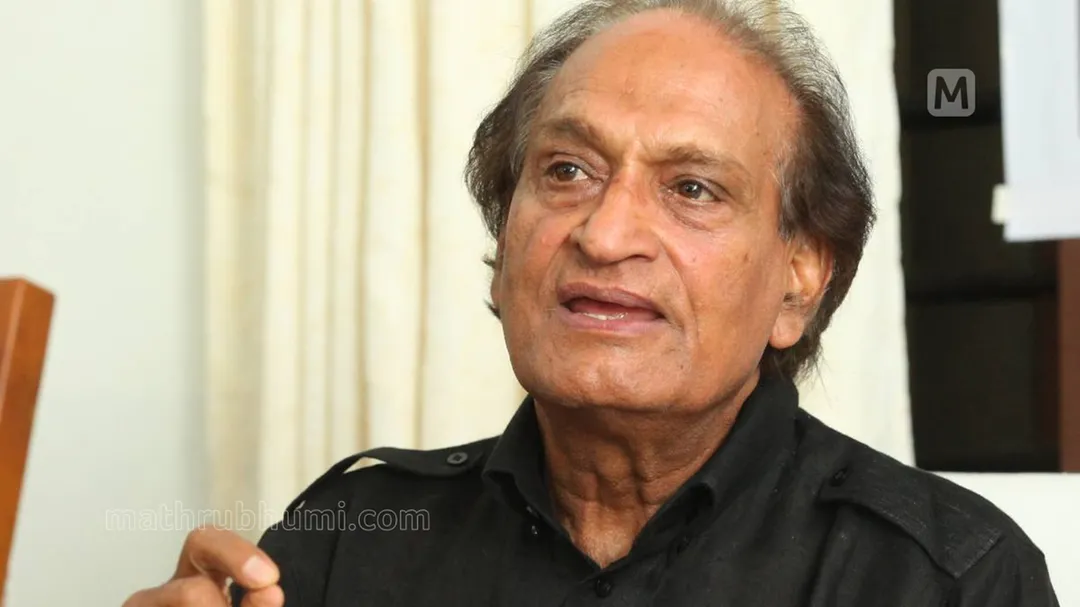
Raghu Rai, the man often credited as the 'Father of Indian Photojournalism', has passed away at the age of 83, leaving behind a legacy of some of the most haunting and iconic images in Indian history. His lens captured pivotal moments, including the devastating Bhopal Gas Tragedy and the selfless work of Mother Teresa, showcasing the harsh realities and the resilience of the human spirit.
Born in Jhang, Punjab (now in Pakistan), Raghu Rai began his career in photography in 1962 at The Statesman. Over the years, he became a member of the prestigious Magnum Photos, an international cooperative of photographers, after being nominated by the legendary Henri Cartier-Bresson. This marked the beginning of a distinguished career that would see him author over 18 books and feature in numerous global publications such as Time, Life, and The New York Times.
Rai's work was not limited to capturing the tragedies and hardships faced by India; he also documented the soul of the nation, traveling extensively to showcase its diversity and richness. His photographs of India's top leaders, starting from the era of Indira Gandhi, are considered some of the most comprehensive collections available. Moreover, his photographic record of Mother Teresa, published in a book titled 'Saint Mother', remains one of the most extensive and insightful looks into her life and work.
The Bhopal Gas Tragedy, one of the worst industrial disasters in history, was a pivotal moment captured by Raghu Rai. His iconic photograph of a half-buried child with glassy eyes is a haunting reminder of the tragedy that befell the city. His extensive coverage of the event culminated in the book and documentary 'Exposure: A Corporate Crime', a testament to his dedication to shedding light on the truths that need to be told.
Raghu Rai's contributions to the world of photography and journalism are immeasurable. He served as a jury member for the World Press Photo contest three times and for UNESCO's international photography competition twice, showcasing his expertise and commitment to the craft. As the news of his passing spreads, it is clear that his legacy will live on through the images he captured, the stories he told, and the countless lives he touched through his work.
The funeral of Raghu Rai will take place at the Lodhi Road crematorium, with his family, including his wife Gurmeet Rai, a prominent writer and educationist, and their children, Nitin, Avani, and Purvai, gathering to bid their final farewell. As India and the world mourn the loss of a legendary photographer, they also celebrate his life and the incredible body of work he leaves behind, inspiring future generations of photojournalists and storytellers.
In the days to come, as we reflect on the life and work of Raghu Rai, it becomes clear that his impact goes beyond the photographs he took. He was a chronicler of his times, a witness to history, and a voice for those who were silenced. His legacy is a reminder of the power of journalism and photography to influence, to educate, and to inspire change. As we look through the lens of Raghu Rai's camera, we are reminded of the beauty, the tragedy, and the resilience of the human experience.
Summary Points
Raghu Rai was known as the 'Father of Indian Photojournalism' for his pioneering work in the field.
He captured iconic images of the Bhopal Gas Tragedy, considered one of the worst industrial disasters in history.
Rai was a member of Magnum Photos, an international cooperative of photographers, and authored over 18 books.
His photographic record of Mother Teresa is one of the most extensive and insightful looks into her life and work.
Rai served as a jury member for the World Press Photo contest and UNESCO's international photography competition, showcasing his expertise and commitment to the craft.