Reviving Cultural Accuracy: VANK Urges Met Museum to Revisit Korean Gallery Narratives
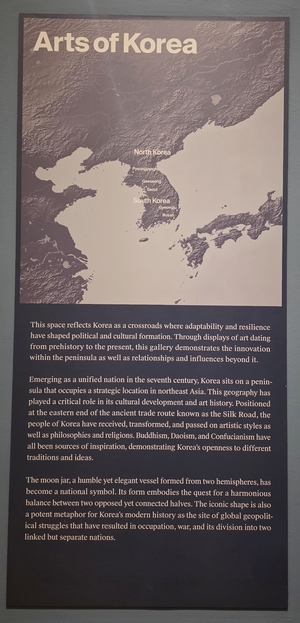
The Metropolitan Museum of Art in New York, one of the world's premier cultural institutions, is facing a call to action from VANK, South Korea's prominent cyber diplomacy group. The appeal centers on revising the texts within the museum's Korean gallery, with VANK arguing that several descriptions presently convey a biased interpretation of Korean history and culture. This move is not only significant for the museum but also underscores the global quest for accurate cultural representation.
At the heart of the issue are four historical and cultural narratives embedded in the gallery texts dedicated to Korean art, which VANK deems problematic. The organization's president, Park Ki-tae, along with other members, recently visited the United States to attend the 44th Annual Conference of the Korean Schools Association in New Jersey. It was during this visit that VANK sent a formal letter to the Met Museum, outlining their concerns and awaiting a response. The findings that prompted this action were the result of VANK's thorough examination of the museum's Korean gallery, highlighting specific areas where the information presented could be enhanced for accuracy and depth.
The first area of contention revolves around the museum's introductory panel, which describes Korea as emerging as a unified nation in the seventh century. VANK counters that this description understates the scope of earlier Korean states, such as Gojoseon, Goguryeo, and Balhae, which played pivotal roles in shaping Korean identity and culture. The emphasis on the seventh century overlooks the rich tapestry of Korean history that unfolded long before, which is essential for understanding the nation's development and cultural achievements.
Another point of contention is the museum's portrayal of Korea's role in the cultural and artistic landscape of Asia. The current texts at the Met Museum suggest that Korea primarily acted as a recipient and transmitter of outside influences, notably highlighting its position as the end of the ancient Silk Road. While it is true that Korea was a vital link in this historical trade route, VANK argues that this narrative diminishes Korea's independent cultural contributions. The organization points out that Korean art and culture were not merely conduits for external influences but developed their own distinctive aesthetic traditions and creative achievements.
This debate is not just about historical accuracy; it also touches on the broader theme of cultural representation and the responsibility of museums to present narratives that are respectful and comprehensive. Museums like the Met are not just repositories of artifacts but also play a significant role in shaping public perception and understanding of different cultures. Therefore, it is crucial that the stories they tell are nuanced and based on the most current and thorough research.
VANK's initiative reflects a growing trend of communities advocating for more accurate and respectful representation of their cultures in global institutions. As the world becomes increasingly interconnected, the importance of cultural sensitivity and education grows. This is not about erasing the influences and exchanges that have always characterized human civilization, but about ensuring that the stories of all cultures are told with depth and respect.
In anticipation of the Met Museum's response, observers are eagerly watching this situation unfold. The outcome could have significant implications not just for how Korean history and culture are presented at one of the world's most renowned museums, but also for the broader discourse on cultural representation and accuracy in institutions of learning and culture.
Summary Points
VANK, a South Korean cyber diplomacy group, is urging the Met Museum to revise texts in its Korean gallery due to historical and cultural inaccuracies.
The museum's current descriptions are seen as presenting a biased view of Korean history, understating the scope of earlier Korean states and emphasizing Korea's role as a recipient of outside influences.
The call for revision highlights the importance of accurate cultural representation in global institutions and the responsibility of museums to present comprehensive narratives.
The issue underscores a growing trend of communities advocating for respectful representation of their cultures, reflecting the need for cultural sensitivity and education in an interconnected world.
The outcome of VANK's appeal could have significant implications for cultural representation and accuracy in institutions of learning and culture.