Flock Camera Controversy: Fargo Residents Protest Mass Surveillance
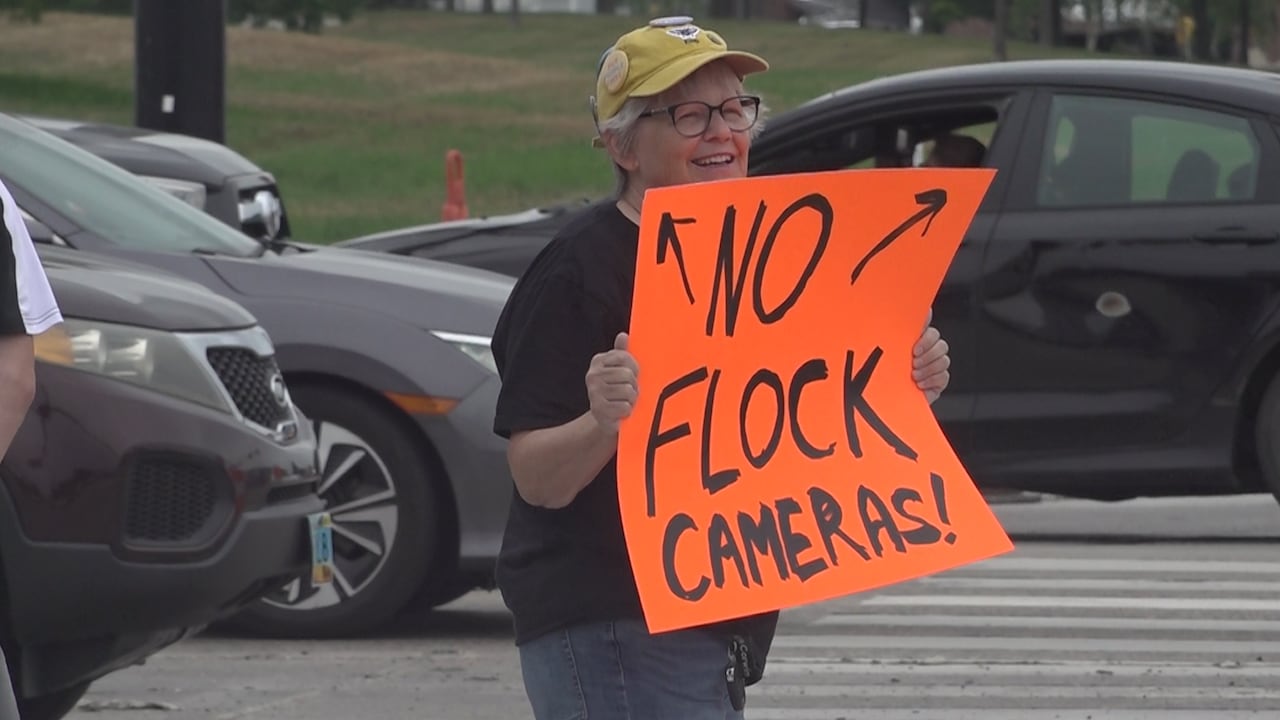
A protest was held at a busy intersection in Fargo, North Dakota, on Saturday, August 15, 2026, as dozens of car enthusiasts and neighbors gathered to voice their concerns over the use of Flock Safety cameras in the city. The event, organized by local groups '701's Most Wanted' and 'Midnight Mafia,' aimed to raise awareness about the implications of constant video and license plate scanning on residents' everyday lives.
The Flock camera system, which includes 26 cameras - 21 fixed automated license plate readers and five Pan-Tilt-Zoom cameras downtown along Broadway - has sparked debate among community members. While Fargo Police claim that the system is used for safety purposes and that the 'Guardian Mode' feature, which allows cameras to lock onto and follow moving vehicles or individuals, is turned off, protesters argue that this is not enough to alleviate their concerns.
One of the primary concerns is the accuracy rate of the Flock cameras, which is reportedly 93%. This means that 7% of stops based on the cameras' readings are incorrect, potentially leading to dangerous situations. Furthermore, critics are worried about who has access to the images, how long they are stored, and how that data could be shared or misused.
The use of Flock cameras is not unique to Fargo, as several cities across the United States have implemented similar systems. However, a growing number of cities have canceled their contracts with Flock Safety due to privacy concerns. In Winona, Minnesota, for instance, all eight Flock cameras were recently sawed off poles and stolen in a coordinated theft, highlighting the increasing pushback against these surveillance systems.
Organizers of the Fargo protest have stated that this will not be their last event, as they plan to continue pressing city leaders for answers about the use of Flock cameras and the safeguards in place to protect residents' privacy. The mayors of Fargo and West Fargo were invited to the protest, but neither was seen attending the event.
The controversy surrounding Flock cameras raises important questions about the balance between public safety and individual privacy. As cities increasingly turn to technology to enhance their law enforcement capabilities, it is crucial to ensure that these systems are used responsibly and with adequate oversight. The Fargo protest serves as a reminder that community members must remain vigilant and engaged in the decision-making process to protect their rights and interests.
In the context of the broader national conversation about surveillance and privacy, the Flock camera controversy in Fargo is a significant development. As the use of advanced technologies, such as artificial intelligence and biometrics, becomes more widespread, it is essential to establish clear guidelines and regulations to prevent abuses of power and protect individual freedoms.
Ultimately, the outcome of the Flock camera debate in Fargo will depend on the ability of community members, city leaders, and law enforcement agencies to work together to find a solution that balances the need for public safety with the need to protect individual privacy. As the city moves forward, it is crucial to prioritize transparency, accountability, and the well-being of all residents.
The situation in Fargo serves as a microcosm for the larger discussion about the role of technology in law enforcement and the importance of safeguarding civil liberties. As the nation grapples with these complex issues, the Flock camera controversy in Fargo will likely be closely watched, with implications for communities across the United States.
Summary Points
The Flock camera system in Fargo includes 26 cameras, with 21 fixed automated license plate readers and five Pan-Tilt-Zoom cameras
The 'Guardian Mode' feature, which allows cameras to lock onto and follow moving vehicles or individuals, is reportedly turned off
The accuracy rate of the Flock cameras is 93%, with 7% of stops based on the cameras' readings being incorrect
Several cities across the United States have canceled their contracts with Flock Safety due to privacy concerns
The controversy surrounding Flock cameras raises important questions about the balance between public safety and individual privacy