Football Legend Antonio Rattin Passes Away: The Man Behind the Introduction of Yellow and Red Cards
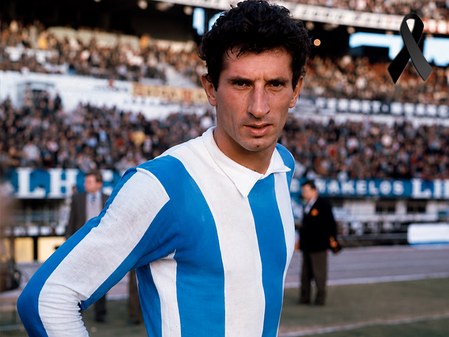
Antonio Ubaldo Rattin, a name etched in the history of Argentine football, has left an indelible mark on the sport. The 89-year-old legend passed away, leaving behind a legacy that transcends generations. Rattin was more than just a footballer; he was a symbol of Argentine football, a true icon, and an embodiment of the country's passion for the beautiful game.
Rattin's storied career spanned over a decade, with the midfielder representing Argentina from 1959 to 1969. He was an integral part of the national team, leading the side as captain in the 1966 World Cup. The tournament would prove to be a defining moment in Rattin's career, as he became embroiled in a controversy that would change the face of football forever. In the quarter-final match against England, Rattin was sent off by German referee Rudolf Kreitlein, sparking a chain of events that would lead to the introduction of the yellow and red card system.
The incident, which has become an infamous moment in World Cup history, saw Rattin refuse to leave the field, convinced he had been the victim of an injustice. The Argentine captain's protests, which included sitting on the red carpet reserved for Queen Elizabeth II and crumpling a British flag, were a testament to his unwavering dedication to the sport. The episode had far-reaching consequences, prompting FIFA to introduce the card system in the 1970 World Cup to clearly identify refereeing sanctions.
Rattin's impact on the sport extends beyond the controversy surrounding the 1966 World Cup. The midfielder spent his entire career with Buenos Aires club Boca Juniors, making 382 appearances between 1956 and 1970. During his time with the club, Rattin won four league titles and reached the 1963 Copa Libertadores final, scoring 28 goals in the process. His impressive performances on the field were matched by his leadership off it, as he became an iconic figure in Argentine football.
The Argentine Football Association has paid tribute to Rattin, describing him as 'one of the greatest symbols in the history of the Argentine National Team and an undisputed icon of Argentine football.' The association's president, Claudio Tapia, expressed his deep sorrow at the passing of the football legend, highlighting Rattin's unwavering commitment to the national team jersey. Rattin's legacy will forever be etched in the history of the Argentine Football Association, serving as a reminder of the values that define the sport: passion, dedication, and a relentless pursuit of excellence.
After retiring as a player, Rattin ventured into politics, leaving behind a lasting impact on the sport. His contributions to football have been recognized globally, with the introduction of the yellow and red card system being a testament to his enduring legacy. As the football world mourns the loss of a true legend, Rattin's memory will continue to inspire future generations of footballers, reminding them of the importance of passion, commitment, and fair play in the beautiful game.
Rattin's passing has sent shockwaves throughout the football community, with fans and players alike paying their respects to the Argentine legend. As the sport continues to evolve, Rattin's legacy will remain a constant reminder of the values that have come to define the game. His unwavering dedication to the sport, his unrelenting passion, and his commitment to fair play have left an indelible mark on the world of football, ensuring that his memory will be cherished for generations to come.
Summary Points
Antonio Rattin, an Argentine football legend, has passed away at the age of 89
Rattin was the protagonist of an episode in the 1966 World Cup that led to the introduction of the yellow and red card system
The midfielder spent his entire career with Buenos Aires club Boca Juniors, making 382 appearances between 1956 and 1970
Rattin won four league titles and reached the 1963 Copa Libertadores final during his time with Boca Juniors
The Argentine Football Association has paid tribute to Rattin, describing him as 'one of the greatest symbols in the history of the Argentine National Team'