Cameroon's Local Tax System Overhaul: Councils Lose Collection Powers
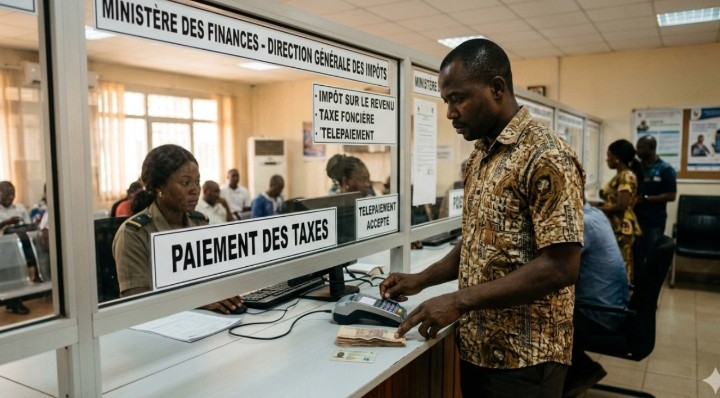
The Government of Cameroon has introduced a significant reform to the country's local tax system, stripping councils of their authority to issue and collect local taxes and levies. This move, aimed at enhancing consistency and transparency, transfers the responsibility from local councils to the central tax administration. The reform is in line with the December 23, 2024 law on local taxation and places the collection of local taxes, duties, and municipal charges under the authority of the Directorate General of Taxes (DGT).
The joint ministerial order, signed by Finance Minister Louis Paul Motaze and Minister of Decentralization and Local Development Elanga Obam Géorges, marks a significant shift in the way local taxes are collected and managed in Cameroon. Under the new framework, municipal councils, subdivision councils, and city councils will no longer have the mandate to assess, issue, or recover local taxes and revenues. Instead, local councils will be limited to identifying taxpayers, informing the tax administration, and producing monitoring reports.
For years, councils in Cameroon have relied heavily on internally generated revenues such as market fees, advertising taxes, permits, and other local levies to finance development projects and administrative operations. However, the central government has argued that municipal tax collection practices were often uneven, poorly monitored, and at times opaque. The reform aims to address these concerns by centralizing the process under the tax administration, which is expected to improve revenue tracking and redistribution.
The impact of this reform will be felt across various sectors, particularly the urban advertising sector. Several councils had outsourced the collection of advertising taxes to private operators through contracts that frequently drew criticism over transparency and legal compliance. With the State now assuming direct responsibility for revenue collection, uncertainty remains over the future of those agreements. The centralization of tax collection is expected to bring about greater transparency and accountability, but it also raises concerns about the potential loss of revenue for local councils.
Cameroon has been pursuing a decentralization process aimed at granting greater autonomy to local governments. The 2019 decentralization law, the gradual transfer of powers to councils, and the creation of regional administrations with independent budgets were all seen as steps in that direction. However, this latest decree appears to move against that trend, raising concerns over the future of local financial autonomy in Cameroon. The move has sparked debate about the balance between decentralization and centralization, with some arguing that the reform undermines the principles of local governance and autonomy.
The reform also raises questions about the potential consequences for local development projects and services. With councils no longer having control over local tax collection, there are concerns that they may struggle to finance their activities and provide essential services to their communities. The central government will need to ensure that the reform does not disproportionately affect local communities and that the benefits of centralization are shared equitably.
In conclusion, the overhaul of Cameroon's local tax system marks a significant shift in the way local taxes are collected and managed. While the reform aims to enhance consistency and transparency, it also raises concerns about the potential impact on local financial autonomy and development projects. As the country continues to navigate the complexities of decentralization and centralization, it is essential to ensure that the reform benefits all stakeholders and promotes the overall development of Cameroon.
Summary Points
The Government of Cameroon has stripped councils of their authority to issue and collect local taxes and levies
The reform transfers the responsibility from local councils to the central tax administration
The Directorate General of Taxes (DGT) will now be responsible for collecting local taxes, duties, and municipal charges
Local councils will be limited to identifying taxpayers, informing the tax administration, and producing monitoring reports
The reform aims to enhance consistency and transparency in local tax collection, but raises concerns about the potential impact on local financial autonomy