Tennis Players Threaten French Open Boycott Over Disparities in Prize Money
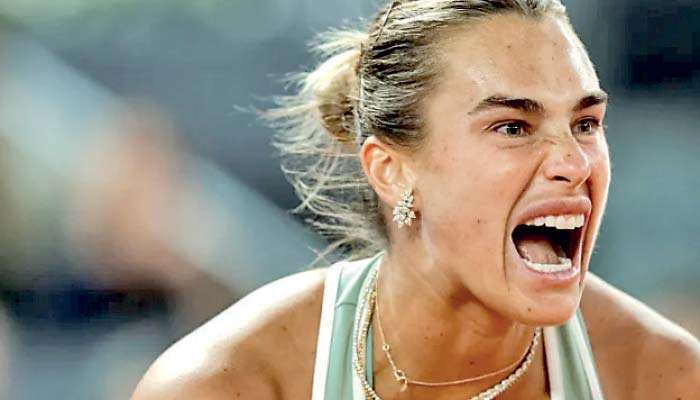
The world of professional tennis is on the brink of a significant crisis as top players, led by women's world number one Aryna Sabalenka, have threatened to boycott the French Open due to disparities in prize money distribution. This bold move comes as players demand a more equitable share of the tournament's revenue, currently standing at 61.7 million euros (approximately $72.1 million) for this year's event.
Sabalenka's comments, made during the Italian Open, highlighted the deepening dispute between players and Roland Garros organizers. Despite a 10% increase in prize money, players argue that their share still falls short of the 22% they believe is fair, especially when compared to other Grand Slam tournaments and ATP and WTA combined 1000 events. The US Open, Wimbledon, and the Australian Open have all offered significantly higher prize money in recent years, with the US Open leading the pack with $90 million last year.
The issue at hand is not just about the figures; it's about the principle of fair compensation for athletes who are the backbone of these tournaments. Sabalenka emphasized that without the players, there would be no tournament, and thus, they deserve a more substantial percentage of the revenue generated. This sentiment is echoed by world number four Coco Gauff, who expressed her support for the potential boycott, stating that it's not just about her or the top players but about the future of tennis and ensuring that all players, regardless of their ranking, can earn a decent living from the sport.
Gauff also underscored the importance of forming a union, similar to those in other sports, to negotiate better terms and conditions for players. The example of the WNBA players' union, which recently reached a tentative agreement on a collective bargaining deal, was cited as a model for what could be achieved through unified action. The formation of a union could be a game-changer, providing players with a stronger bargaining position and potentially leading to more equitable distributions of wealth in the sport.
Historically, tennis has been at the forefront of social and economic changes in sports, with players often using their platforms to advocate for better treatment and compensation. The current standoff between players and organizers represents a critical moment in this ongoing narrative. As negotiations continue, the tennis world waits with bated breath to see if a resolution can be reached that satisfies all parties involved. The threat of a boycott looms large, and it remains to be seen whether the French Open, and indeed the sport as a whole, can navigate these challenges and emerge stronger and more equitable for all involved.
The implications of a boycott would be far-reaching, not just for the French Open but for the entire tennis calendar. It would send a strong message about the unity and determination of the players and could potentially pave the way for more significant changes in how tennis tournaments are organized and funded. However, it's a path fraught with risk, as it could also lead to a division among players and a loss of fan support. The coming weeks will be crucial in determining the future of tennis and the outcome of this high-stakes standoff.
Summary Points
Top tennis players, led by Aryna Sabalenka, threaten to boycott the French Open over disparities in prize money.
The current prize money pool for the French Open is 61.7 million euros, a 10% increase from last year, but still considered inadequate by players.
Players are seeking a 22% share of tournament revenue, comparable to other Grand Slam events and ATP and WTA combined 1000 events.
The formation of a players' union, similar to those in other sports, is being discussed as a potential strategy to negotiate better terms and conditions.
The threat of a boycott has significant implications for the sport, including potential divisions among players and a loss of fan support.