Debunking the Myths: Uncovering the Truth About Bluetooth Technology
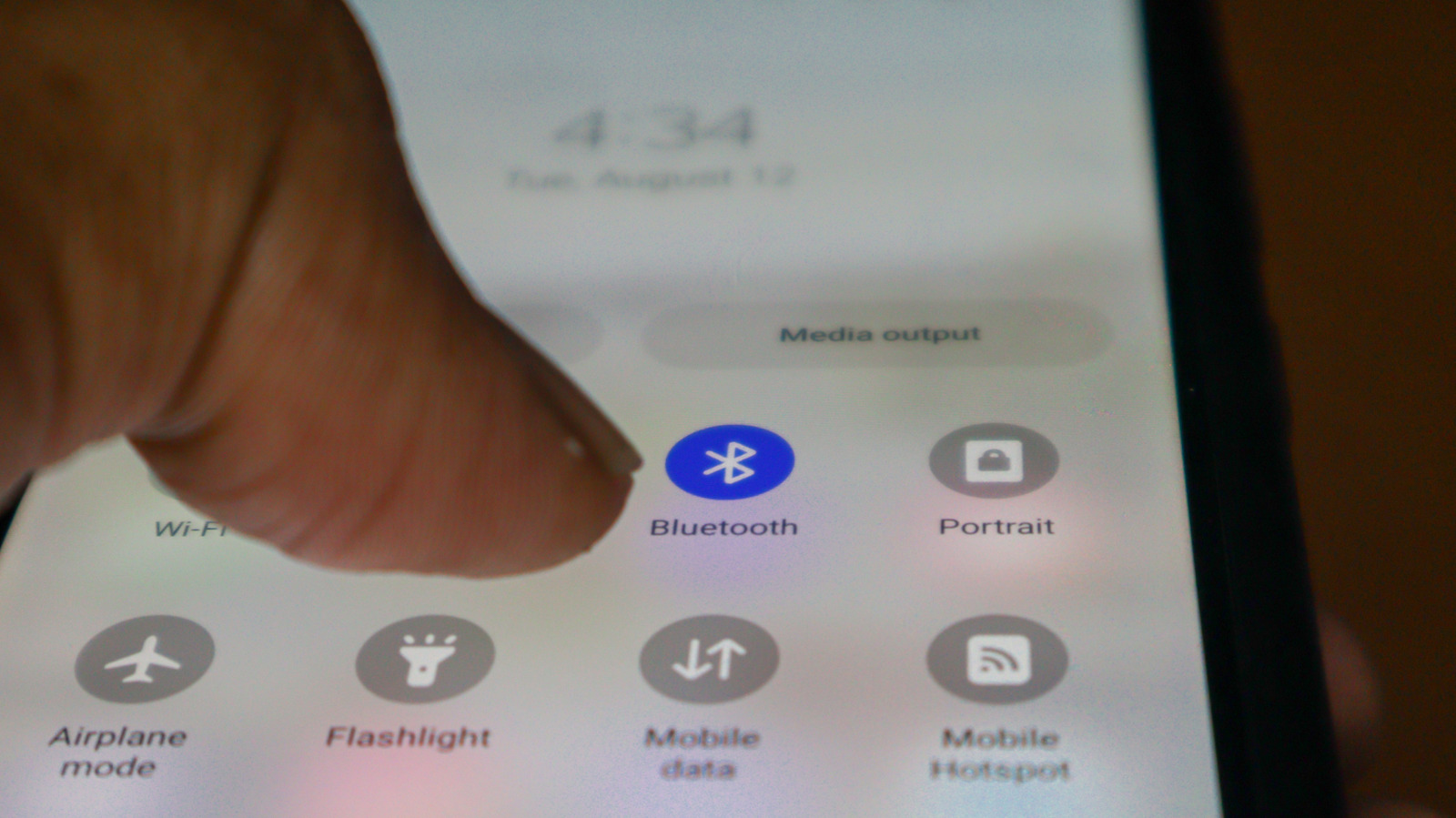
In today's digital age, Bluetooth technology has revolutionized the way we connect our devices. Gone are the days of cumbersome wires and cables, as we can now seamlessly stream music, make hands-free calls, and transfer files with ease. However, despite its widespread adoption, there are still several misconceptions surrounding Bluetooth that can make users wary of its benefits.
One of the most common myths is that Bluetooth causes cancer. This notion likely stems from the fact that Bluetooth devices emit a type of radiation, which can be a concern for many. However, it's essential to understand that the radiation emitted by Bluetooth devices is non-ionizing, meaning it lacks the energy to damage cells or cause cancer. In fact, the World Health Organization (WHO) has classified radiofrequency electromagnetic fields, including those emitted by Bluetooth devices, as 'not classifiable as to their carcinogenicity to humans,' indicating that there is no conclusive evidence of a link between Bluetooth radiation and cancer.
Another myth is that Bluetooth significantly drains a device's battery, even when not in use. This concern is understandable, given the importance of battery life in today's mobile devices. However, tests have shown that the amount of battery drained by Bluetooth when idle is negligible. In fact, a study by Android Authority found that leaving Bluetooth enabled for 26 hours only drained the battery by 1.8%. Moreover, the introduction of Bluetooth Low Energy (LE) has further reduced power consumption, making it an even more energy-efficient option for devices.
Additionally, some people believe that Bluetooth can only be used at short distances or that it cannot travel through walls. While it's true that Bluetooth signals can be affected by physical barriers, they can still penetrate through solid objects to some extent. The range of Bluetooth signals can vary depending on the device and the environment, but most modern devices can maintain a stable connection at distances of up to 30 feet or more.
The history of Bluetooth technology dates back to the 1990s, when a team of engineers at Ericsson, a Swedish telecommunications company, began developing a new wireless technology that could replace the cumbersome cables used to connect devices. The name 'Bluetooth' was inspired by a 10th-century Danish king, Harald Blåtand, who was known for his ability to unite warring factions. This legacy is reflected in the technology's ability to bring devices together, facilitating seamless communication and data transfer.
In conclusion, the myths surrounding Bluetooth technology are largely unfounded. By understanding the facts behind these misconceptions, users can harness the full potential of Bluetooth, enjoying the convenience, flexibility, and freedom that it provides. Whether you're streaming music, making hands-free calls, or transferring files, Bluetooth has revolutionized the way we interact with our devices, and its benefits are undeniable.
As we look to the future, it's likely that Bluetooth technology will continue to evolve, with new features and innovations emerging to further enhance its capabilities. With the rise of the Internet of Things (IoT), Bluetooth will play an increasingly important role in connecting devices and facilitating communication between them. By embracing the truth about Bluetooth and its many benefits, we can unlock a world of possibilities, where devices work together in harmony to make our lives easier, more convenient, and more enjoyable.
Summary Points
Bluetooth radiation is non-ionizing, meaning it lacks the energy to damage cells or cause cancer
Bluetooth battery drain is negligible, with most devices experiencing less than 2% battery loss over 26 hours
Bluetooth signals can penetrate through solid objects, but their range may be affected by physical barriers
Bluetooth technology has a rich history, dating back to the 1990s and inspired by the legacy of Harald Blåtand
The future of Bluetooth is bright, with emerging features and innovations set to further enhance its capabilities
