China's Solar Power Surplus: A Cautionary Tale of Inefficiency and Waste
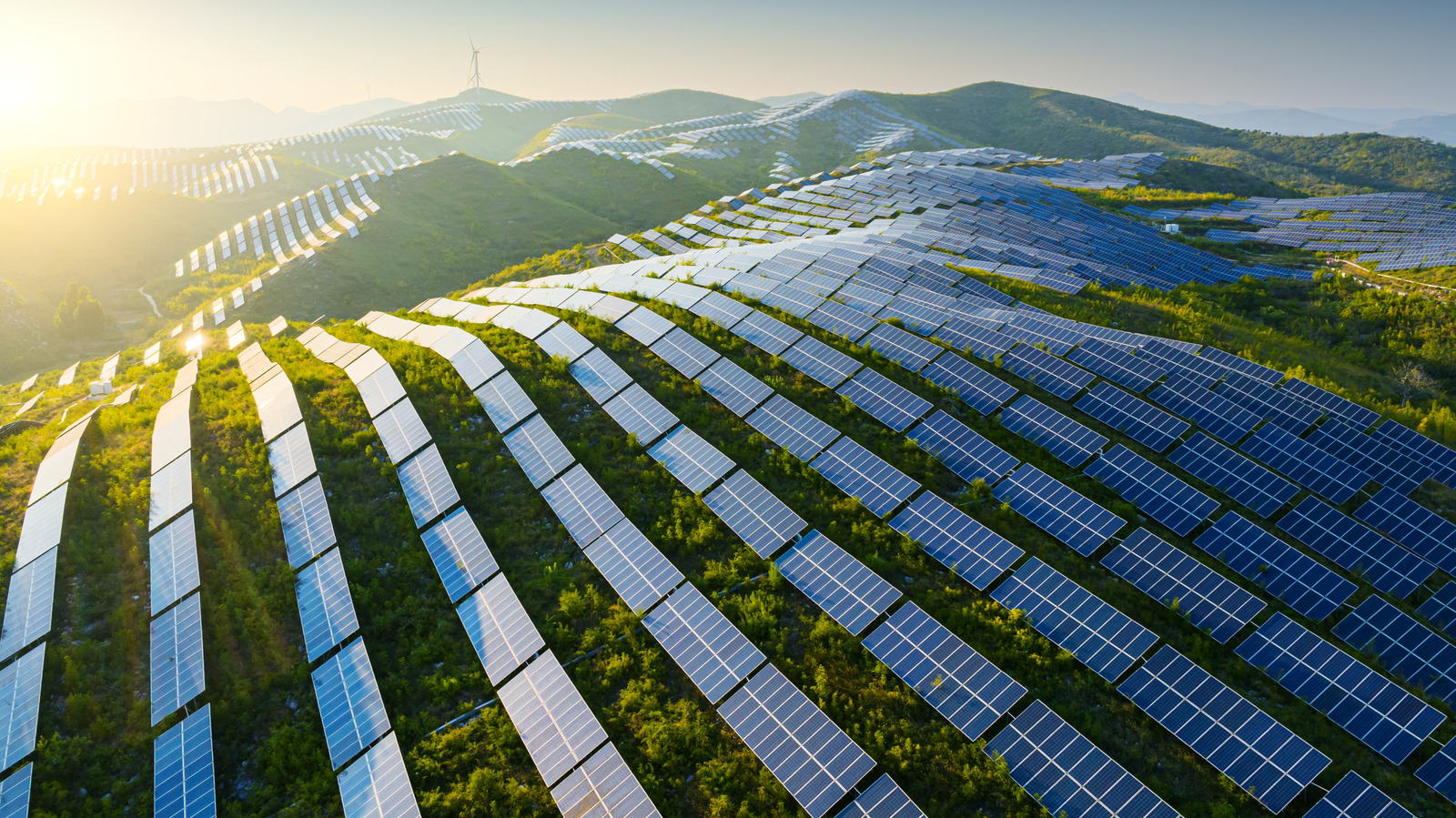
China's ambitious efforts to improve energy security and transition to cleaner energy sources have resulted in a significant solar power surplus, surpassing expectations and leaving the country with a unique challenge: what to do with the excess energy. Unfortunately, this surplus is going to waste due to inefficiencies and outdated infrastructure, leading to increased reliance on traditional energy sources like coal and gas.
According to a report by the Centre for Research on Energy and Clean Air, China's CO2 emissions have risen by 2% year-over-year in the first quarter of 2026, marking a significant increase after 21 consecutive months of steady or declining emissions. This spike is particularly concerning, as it underscores the need for China to address its energy management systems and maximize the potential of its renewable energy infrastructure.
China has made significant investments in offshore wind turbines and massive desert solar farms, which have shown promising results, including the encouragement of new plant growth around the solar farms. However, the country's wind capacity rose by 23% and solar capacity by 33% from the previous year, yet actual clean-power generation increased far less than expected due to capacity factors falling. This has resulted in a substantial amount of wasted energy, with the system capable of producing roughly 170 TWh more energy from clean power sources if curtailment had not worsened.
The root of the problem lies in existing contracts with coal-powered energy producers, which require a certain quota of energy to be produced by burning coal. This, in turn, limits the potential to fill demand with clean energy production. Furthermore, rigid standards for electricity trading between regions hinder the transfer of excess clean energy to areas with deficits, forcing those regions to rely on local coal or gas facilities. This inflexibility has led to a situation where China is burning more coal and gas than necessary, despite its significant renewable energy capacity.
The consequences of this inefficiency are far-reaching, with the power sector's CO2 emissions rising 4% year over year in the quarter. If the increase in wasted wind and solar energy had been mitigated, emissions would have remained flat. This highlights the need for China to reform its energy management systems and prioritize the utilization of renewable energy sources. By doing so, the country can reduce its reliance on fossil fuels, decrease CO2 emissions, and maximize the potential of its solar power surplus.
China's experience serves as a cautionary tale for other countries investing in renewable energy. While the development of solar and wind infrastructure is crucial, it is equally important to address the underlying energy management systems and infrastructure. This includes implementing flexible electricity trading standards, incentivizing the use of renewable energy, and phasing out outdated contracts with coal-powered energy producers. By learning from China's challenges, countries can create more efficient and effective renewable energy systems, ultimately reducing their carbon footprint and promoting a cleaner, more sustainable energy future.
Summary Points
China's solar power surplus is going to waste due to inefficiencies and outdated infrastructure.
The country's CO2 emissions have risen by 2% year-over-year in the first quarter of 2026, despite significant investments in renewable energy.
Existing contracts with coal-powered energy producers and rigid electricity trading standards limit the potential to fill demand with clean energy production.
China's wind capacity rose by 23% and solar capacity by 33% from the previous year, yet actual clean-power generation increased far less than expected.
Reforming energy management systems and prioritizing renewable energy sources can help reduce CO2 emissions and maximize the potential of China's solar power surplus.
