The Deepfake Revolution: How AI is Disrupting Biometric Trust
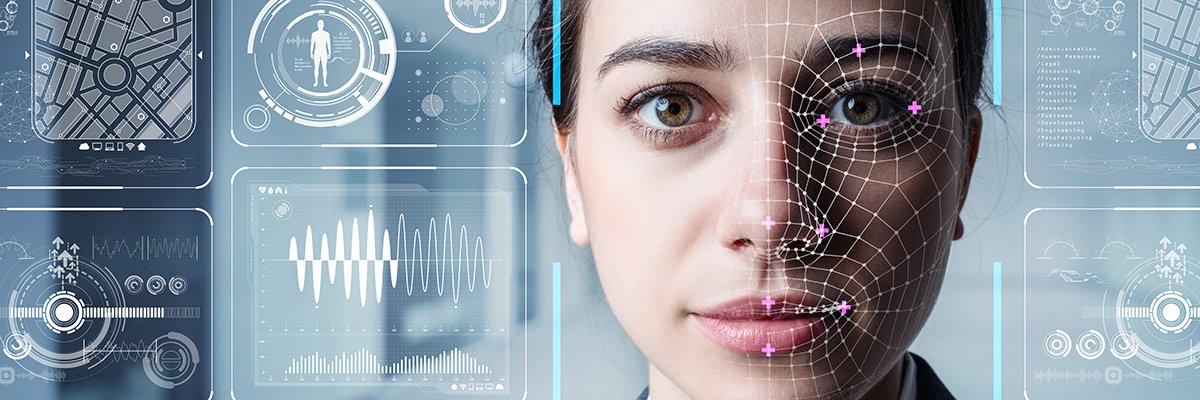
The advent of deepfakes and synthetic identities has ushered in a new era of identity verification, one where biometric authentication is no longer the foolproof solution it once was. The increasing sophistication of AI-generated deepfakes, voice clones, and fake identities has made it increasingly difficult for organizations to distinguish between legitimate users and malicious impersonators. This shift has significant implications for enterprises, which must now rethink their approach to biometric authentication and invest in more robust, layered security models.
According to a 2025 report from the Biometrics Institute, the proliferation of AI-generated deepfakes and synthetic identities has reached a critical juncture, with the potential to compromise even the most secure biometric systems. The report highlights the growing concern that AI has collapsed the cost of producing convincing spoofs, making it easier for individual hackers and hacker groups to launch successful attacks. As a result, organizations can no longer rely solely on biometric authentication, but must instead adopt a more nuanced approach that combines device trust, behavioral signals, and contextual risk scoring.
The ease with which AI can generate realistic faces, voices, and fingerprints has dramatically lowered the barrier to entry for biometric spoofing. In the past, attackers required specialized tools or direct access to a person or their devices to capture biometric data. Now, widely available AI systems can learn from publicly available photos, audio, and video, allowing attackers to refine and generate fake identities at scale. This has significant implications for industries such as finance, healthcare, and government, where secure identity verification is paramount.
Common attack types include remote identity proofing, where AI-generated faces and documents bypass onboarding checks, and account recovery, where cloned voices or deepfake videos trick support systems into resetting accounts. Privileged access workflows, financial services, and call centers are also vulnerable to synthetic identities and voice cloning. The fact that people already expose their faces and voices in public through everyday digital activity makes these signals easier to collect and reconstruct than other biometric traits, such as fingerprints.
As Brian Fending, managing director at Ordovera Advisory, notes, 'Anyone who has been on a recorded earnings call, a podcast, or any public video has volunteered enough training data to produce a usable model of themselves.' This highlights the need for individuals to be mindful of their digital footprint and for organizations to adopt more robust security measures to protect against biometric spoofing. By investing in layered security models that combine biometrics with device trust, behavioral signals, and cryptographic credentials, enterprises can stay one step ahead of attackers and protect their customers' sensitive information.
In conclusion, the rise of deepfakes and synthetic identities has significant implications for biometric trust and identity verification. As AI continues to evolve and improve, it is likely that we will see even more sophisticated attacks in the future. By understanding the risks and limitations of biometric authentication, organizations can take proactive steps to protect themselves and their customers, and invest in more robust, layered security models that will help to mitigate the threat of deepfakes and synthetic identities.
Summary Points
The proliferation of AI-generated deepfakes and synthetic identities has compromised the security of biometric authentication systems
AI has collapsed the cost of producing convincing spoofs, making it easier for individual hackers and hacker groups to launch successful attacks
The ease with which AI can generate realistic faces, voices, and fingerprints has dramatically lowered the barrier to entry for biometric spoofing
Common attack types include remote identity proofing, account recovery, privileged access workflows, financial services, and call centers
By investing in layered security models that combine biometrics with device trust, behavioral signals, and cryptographic credentials, enterprises can stay one step ahead of attackers
