The Unnecessary Expense: Why Smartwatch Screen Protectors Are a Thing of the Past
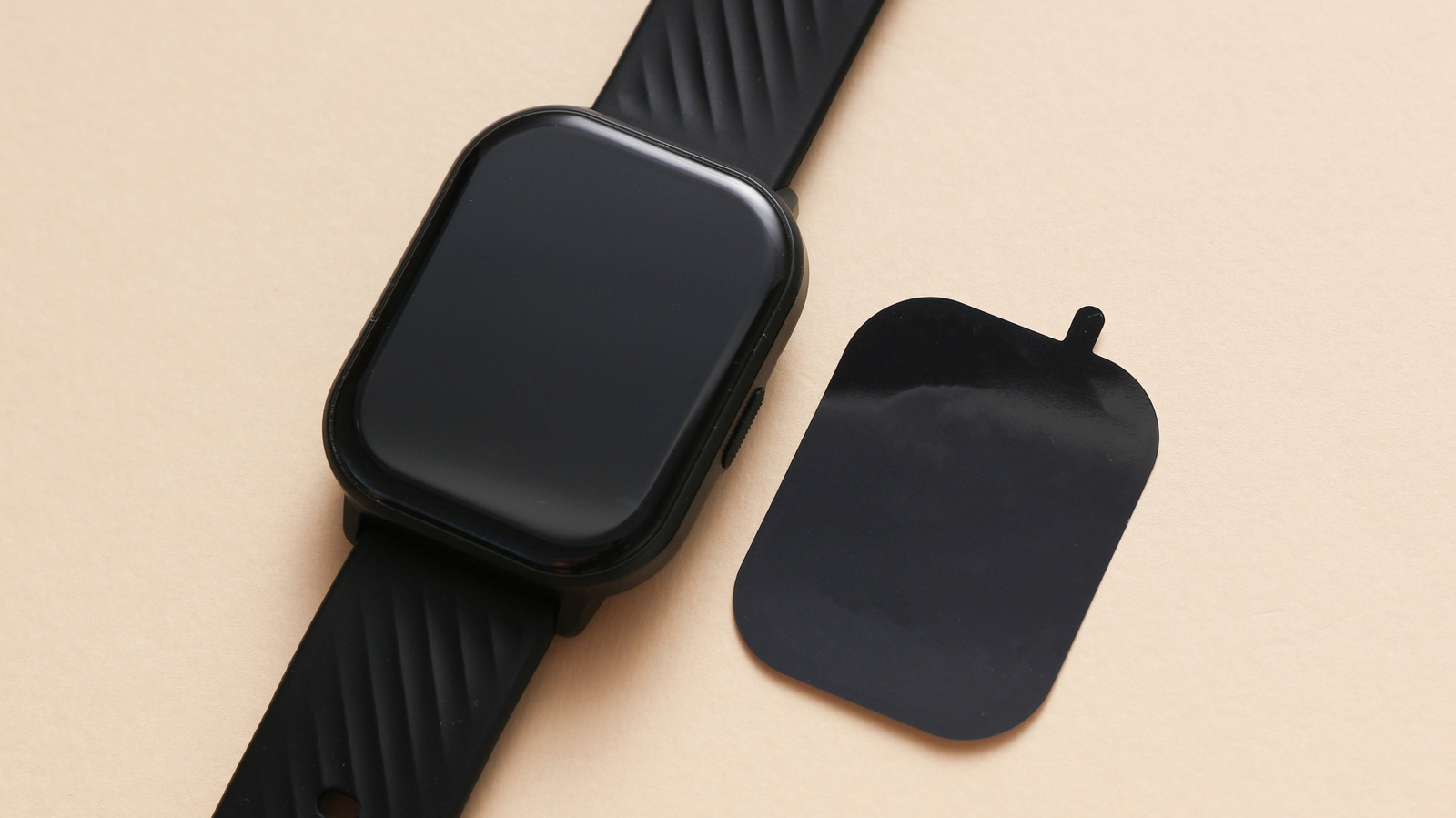
The smartwatch industry has experienced tremendous growth in recent years, with millions of people around the world embracing the convenience and functionality of these wearable devices. As a result, the market for smartwatch accessories has also flourished, with one of the most popular items being screen protectors. However, the question remains: do you really need a smartwatch screen protector? The answer, surprisingly, is no.
In the past, screen protectors were a necessary component for smartphone owners, as the devices were more prone to scratches and cracks. This habit has carried over to the smartwatch market, with many consumers instinctively purchasing a screen protector for their new device. However, times have changed, and smartwatch screens have become significantly tougher and more resistant to damage. The use of advanced materials such as hardened ion-exchanged glass, sapphire, and Gorilla Glass has improved scratch resistance and daily durability, making screen protectors largely unnecessary.
Top-end smartwatches, such as the Apple Watch Series 11 and SE models, use Ion-X glass, a hardened material designed for robust impact resistance and everyday durability. The higher-end Apple Watch Ultra 3, on the other hand, uses sapphire crystal, which is harder and significantly more scratch-resistant. Other manufacturers, such as Garmin, use Corning Gorilla Glass, which is also great for everyday protection. The use of these advanced materials has significantly reduced the risk of damage to the smartwatch screen, making a screen protector redundant.
But what about everyday accidents? If your smartwatch comes into contact with materials like plastic and wood, it will likely be fine. There is more risk with harder materials like sand and concrete, but unless the impact is severe and prolonged, your watch is unlikely to show any visible damage. Scratch tests based on the Mohs hardness scale have shown that Gorilla Glass is rated around 6-7, while sapphire is around 9, meaning everyday materials like wood, plastic, keys, and even steel are too soft to leave a mark. Only harder materials, such as quartz in sand or concrete, could potentially cause a problem.
Furthermore, many of the marks picked up by screen protectors wouldn't have appeared on the watch's actual display because the protector is usually made of a softer material. This means that the screen protector is actually more prone to damage than the smartwatch screen itself. Additionally, screen protectors can often interfere with the touchscreen functionality of the smartwatch, causing frustration and inconvenience for the user.
In conclusion, the smartwatch screen protector market may be thriving, but it is largely unnecessary. With the advancements in smartwatch screen technology, the risk of damage has significantly decreased, making screen protectors a redundant accessory. So, the next time you purchase a new smartwatch, think twice before buying a screen protector. Your wallet, and your smartwatch, will thank you.
Summary Points
Smartwatch screens have become tougher over time due to better glass and ceramic coatings
Top-end smartwatches use advanced materials such as hardened ion-exchanged glass, sapphire, and Gorilla Glass for improved scratch resistance and daily durability
Screen protectors can often interfere with the touchscreen functionality of the smartwatch, causing frustration and inconvenience for the user
The risk of damage to the smartwatch screen is significantly reduced, making a screen protector redundant
Many of the marks picked up by screen protectors wouldn't have appeared on the watch's actual display because the protector is usually made of a softer material
