India Bans Its Seafarers from Voyage Through Strait of Hormuz Amid Renewed Regional Tensions
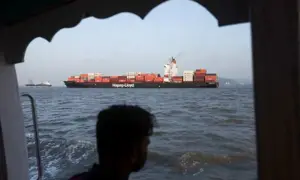
India, the world's third-largest supplier of seafarers, has taken a significant step to safeguard its maritime workforce by directing shipowners, ship managers, and recruitment companies not to deploy Indian seafarers on vessels that undertake trips through the Strait of Hormuz. This move comes in response to the renewed fighting in the region, which has heightened concerns over the safety and security of maritime operations.
The Strait of Hormuz, a strategically vital waterway that connects the Persian Gulf to the Gulf of Oman and the Arabian Sea, has been a focal point of geopolitical tensions for decades. The strait is the world's most important oil transit chokepoint, with approximately 20% of the world's oil supply passing through it every day. Given its critical importance to global energy security, any disruption to maritime traffic in the region can have far-reaching consequences.
India's decision to ban its seafarers from Hormuz voyages is motivated by a combination of factors, including the country's responsibility to protect its citizens and the need to mitigate the risks associated with operating in a conflict zone. With more than 300,000 Indian seafarers working on merchant vessels worldwide, the Indian government is keenly aware of the potential risks and liabilities that come with deploying its workforce in high-risk areas.
Historically, the Strait of Hormuz has been a flashpoint for regional tensions, with Iran and the United States engaging in a series of confrontations over the years. The recent escalation of violence in the region has further exacerbated concerns over maritime safety, with several incidents of ship seizures, attacks, and detention of crew members reported in recent months. In this context, India's decision to exercise caution and prioritize the safety of its seafarers is a pragmatic response to a complex and rapidly evolving security situation.
The implications of India's ban on Hormuz voyages will likely be far-reaching, with potential impacts on global shipping operations, oil prices, and the broader maritime industry. Shipowners and operators may need to reassess their route planning and crew deployment strategies, while oil-producing countries in the region may need to explore alternative export routes to mitigate the risks associated with the strait. As the situation continues to unfold, it is likely that other countries will also reassess their maritime security posture and take steps to protect their seafarers and national interests.
In conclusion, India's decision to ban its seafarers from Hormuz voyages reflects a nuanced understanding of the complex geopolitical dynamics at play in the region. By prioritizing the safety and security of its maritime workforce, India is sending a clear signal that it will not compromise on the well-being of its citizens, even in the face of significant economic and strategic pressures. As the global maritime community continues to navigate the challenges posed by the Strait of Hormuz, India's leadership on this issue serves as a powerful reminder of the importance of prioritizing human safety and security in the pursuit of economic and strategic interests.
Summary Points
India has banned its seafarers from undertaking voyages through the Strait of Hormuz due to renewed regional tensions
The Strait of Hormuz is a critical waterway that connects the Persian Gulf to the Gulf of Oman and the Arabian Sea
India is the world's third-largest supplier of seafarers, with over 300,000 citizens working on merchant vessels worldwide
The region has a history of geopolitical tensions, with Iran and the United States engaging in confrontations over the years
The ban on Hormuz voyages will likely have far-reaching implications for global shipping operations, oil prices, and the maritime industry
