Revolutionizing Heavy-Duty Propulsion: The Game-Changing Maxidyne Diesel Engine
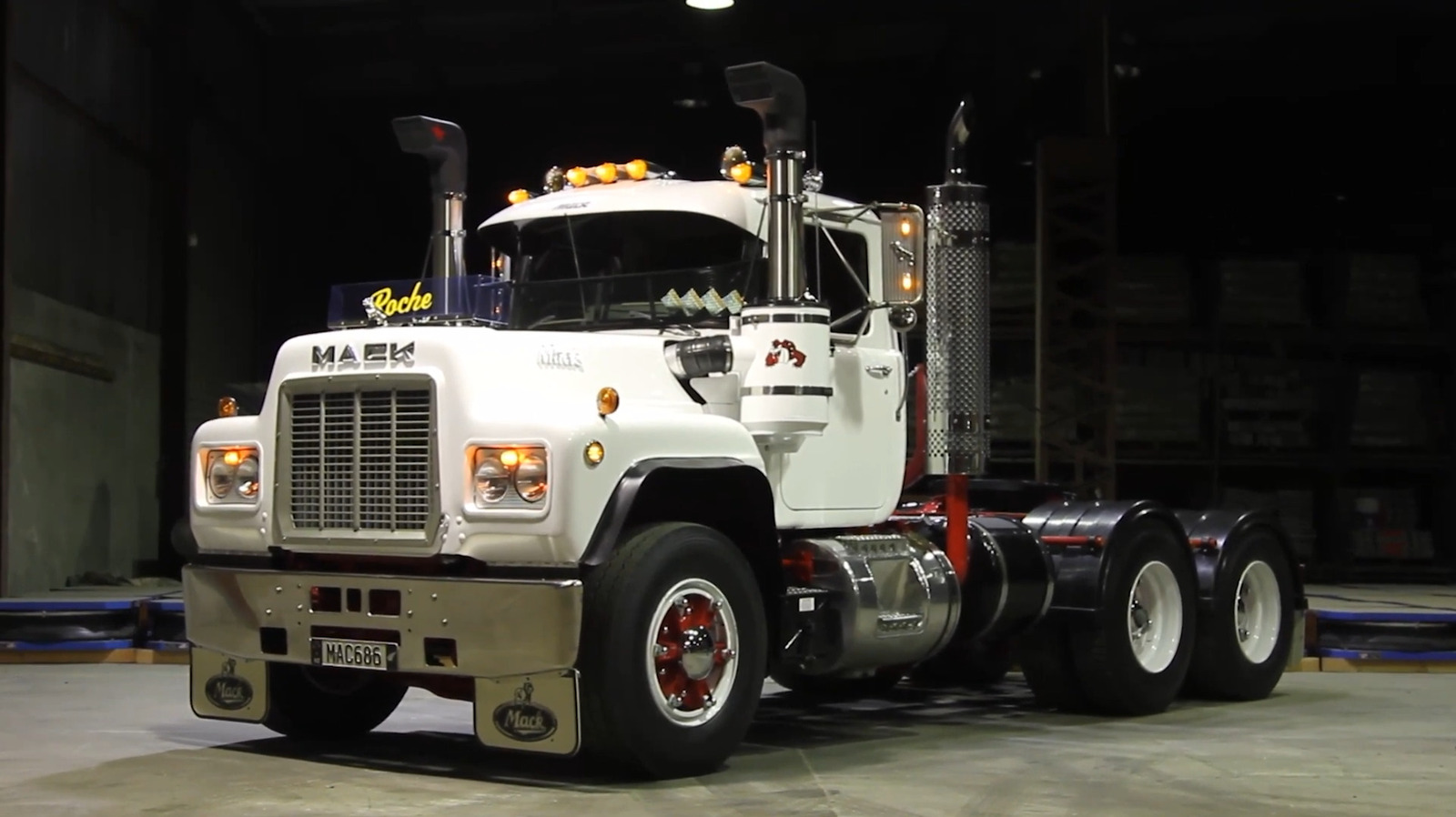
The mid-1960s was a pivotal time for Mack Trucks, as the company faced significant challenges, including cash-flow issues, a declining market share, and a less competitive engine lineup compared to its rivals, Cummins and Detroit Diesel. However, in a bold move, Mack Trucks executives in Allentown, Pennsylvania, decided to bet the company's future on a revolutionary engine concept: the Maxidyne engine, which would be installed in the brand-new Mack R-Model. This single engine not only saved the company but also rewrote the rules of heavy-duty propulsion.
To understand the significance of the Maxidyne, it's essential to look at how conventional diesels operated in the mid-1960s. Standard diesel engines generally made their peak torque in a relatively narrow rev range of between 1,600 and 1,800 rpm. If the truck hit a steep grade, and the engine speed dropped below that narrow window, performance dropped, and the driver had to downshift to prevent lugging. This characteristic was one of the reasons heavy trucks had 11, 13, or even 15-speed gearboxes. Some trucks even required 18-speed transmissions, making driving and maintenance more complex.
The Maxidyne, designated initially as the 11-liter straight six ENDT 675, produced a seemingly modest 237 horsepower. However, the real magic lay in the torque curve. While competitors' engines suffocated at low revs, the Maxidyne achieved its peak torque of 906 pound-feet at just 1,200 rpm. This was a significant improvement over conventional diesel engines, which typically reached their peak torque at much higher RPMs. The Maxidyne's impressive low-RPM peak torque and its staggering 52% torque rise, meaning it produced 52% higher torque at low RPM than at its highest horsepower, set a new standard for diesel engines.
The secret to the Maxidyne's success lay in its unique design. Unlike conventional diesel engines, the Maxidyne increased both the fuel charge and air supply per stroke as the engine slowed down, thanks to its exhaust-driven turbocharger and mechanical fuel injection control system. This resulted in an essentially flat, constant horsepower output across a massive, usable operating band from 1,200 to 2100 rpm. The Maxidyne's broad power delivery allowed Mack to simplify its transmission, mating the engine to a rugged 5-speed Maxitorque transmission. This reduced the complexity and maintenance requirements of the truck, making it more driver-friendly and efficient.
The impact of the Maxidyne engine on the trucking industry was profound. With its impressive low-end grunt, Maxidyne-powered R-Models could drive a fully loaded truck from a dead stop in fourth or fifth gear without riding the clutch or abusing the drivetrain. When a Maxidyne-powered R-Model hit a grueling 6% highway grade, it didn't need to drop five gears and crawl up at 5 mph like a Cummins or Detroit Diesel. The driver simply stayed in fourth gear, let the revs drop to 1,200 rpm, and the engine would continue to deliver a constant flow of power, allowing the truck to maintain its speed and momentum.
The success of the Maxidyne engine helped Mack Trucks regain its competitive edge and establish itself as a leader in the heavy-duty truck market. The engine's innovative design and exceptional performance set a new standard for diesel engines, and its impact can still be seen in modern truck designs. The Maxidyne's legacy serves as a testament to the power of innovation and the importance of taking bold risks in the pursuit of excellence.
Summary Points
The Maxidyne engine was a game-changer in the heavy-duty truck market, offering a unique combination of power, efficiency, and simplicity.
Its impressive low-RPM peak torque and 52% torque rise allowed for a broader power delivery and reduced the need for complex transmissions.
The Maxidyne's design, featuring an exhaust-driven turbocharger and mechanical fuel injection control system, enabled it to increase fuel charge and air supply per stroke as the engine slowed down.
The engine's impact on the trucking industry was significant, allowing drivers to operate their vehicles more efficiently and safely, with reduced maintenance requirements.
The Maxidyne's legacy continues to influence modern truck design, with its innovative approach to diesel engine design still revered today.
