Revitalizing Cities: How Minecraft Is Empowering Kids To Redesign Urban Landscapes
In the heart of Beirut, a city still reeling from the devastating 2020 port explosion, a unique initiative has been giving children the power to reimagine and redesign their urban environment. Through the use of Minecraft, one of the world's most popular video games, kids are not only learning about urban planning but are also seeing their creations come to life in their communities.
The Block by Block Foundation, in partnership with UN-Habitat, has been at the forefront of this innovative approach. Since 2012, they have supported the construction of over 150 urban structures in 55 countries, engaging more than 30,000 citizens, including many children, in the design process. This collaboration has led to the transformation of neglected spaces into vibrant public areas, fostering community engagement and a sense of ownership among residents.
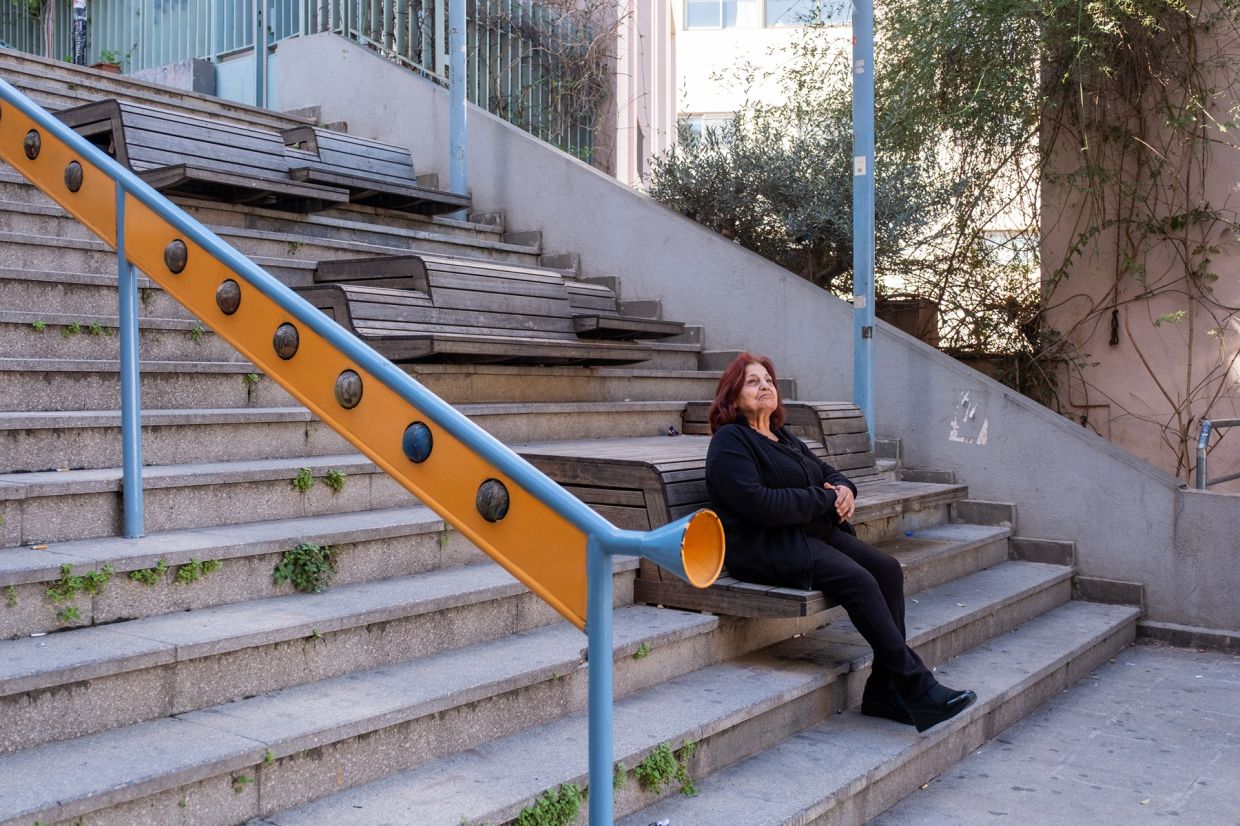
A prime example of this initiative's success is the renovation of the St. Nicolas stairs in Beirut. After the 2020 explosion, the area was left in disarray, with the stairs becoming a hazardous and uninviting place. However, through a Minecraft workshop, 46 children, including Georges Zahar, now an 18-year-old biology student, came together to redesign the stairs. Their vision, which included features like a big slide, handrails made from speaking tubes, and shaded seating areas, was brought to life, turning the stairs into a bustling hub of community activity.
Minecraft's open-ended design and building tools make it an ideal platform for urban planning. The game allows users to build and destroy structures as they like, giving children the freedom to express their creativity and reimagine real-life spaces. This approach not only educates children about urban design but also empowers them to become active participants in shaping their communities.
The Block by Block methodology is built around community engagement and inclusivity. Local organizations submit project proposals to UN-Habitat, and those selected receive funding and technical guidance to engage community members, run Minecraft workshops, and construct the final designs. This collaborative approach ensures that the needs and ideas of the community are at the forefront of the design process.
While the Block by Block Foundation closed in 2025 due to funding issues, its legacy lives on through the new UN-Habitat initiative, Games for Urban Futures. This program builds on the Block by Block methodology, incorporating other games to continue empowering citizens, especially youth, to participate in urban design. The impact of this work is evident, with communities around the world benefiting from the creative and inclusive approach to urban planning.
In conclusion, Minecraft is more than just a popular video game; it is a tool for social change, empowering children to become architects of their communities. As cities around the world face unique challenges, from urban decay to natural disasters, initiatives like Games for Urban Futures offer a beacon of hope, demonstrating that through creativity, collaboration, and technology, we can build more vibrant, inclusive, and sustainable urban environments.
Summary Points
Minecraft is being used as a tool for urban planning, allowing children to redesign and reimagine public spaces.
The Block by Block Foundation, in partnership with UN-Habitat, has supported the construction of over 150 urban structures in 55 countries.
The initiative has engaged more than 30,000 citizens, including many children, in the design process, fostering community engagement and a sense of ownership.
Minecraft's open-ended design and building tools make it an ideal platform for urban planning, giving children the freedom to express their creativity.
The Block by Block methodology is built around community engagement and inclusivity, ensuring that the needs and ideas of the community are at the forefront of the design process.
