Unveiling the Pinnacle of Automotive Excellence: The Top 10 Most Expensive Auction Cars of All Time
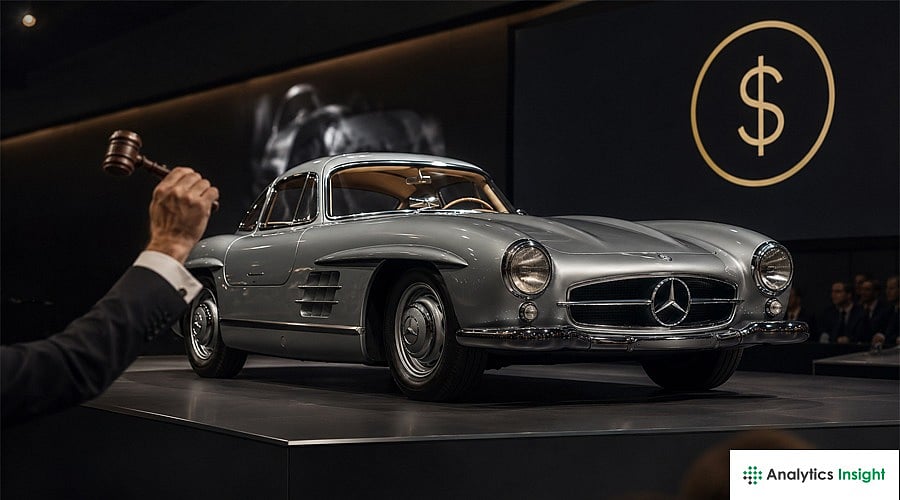
The world of high-performance vehicles has long been synonymous with prestige, power, and a deep appreciation for the art of engineering. Among the crème de la crème of automotive excellence, certain models stand out not just for their speed and style, but for their rarity and the historical significance they carry. These are the cars that command record-breaking prices at auctions, captivating the hearts of collectors and enthusiasts alike. At the forefront of this elite group are Mercedes-Benz and Ferrari, two iconic brands that have dominated the landscape of motorsport and luxury vehicles for decades.
As of the latest auctions, the Mercedes-Benz 300 SLR Uhlenhaut Coupe holds the distinction of being the most expensive car ever sold at auction, with a staggering price tag of approximately $143 million. This figure not only underscores the value placed on rarity and historical provenance but also highlights the enduring legacy of Rudolf Uhlenhaut, the engineer after whom the car is named. With only two units produced, the Uhlenhaut Coupe is an ultra-rare gem that embodies the pinnacle of automotive design and performance of its era.
Ferrari, on the other hand, occupies a significant portion of the top 10 list, with models such as the Ferrari 330 LM/250 GTO, Ferrari 250 GTO, and Ferrari 250 LM making appearances. These cars are not just celebrated for their sleek designs and powerful engines; they are also revered for their participation in and victories at some of the world's most prestigious racing events, including the 24 Hours of Le Mans. The combination of racing history, original condition, and the scarcity of these models contributes to their immense value, making them the holy grail for serious collectors.
What drives the valuations of these cars to such extraordinary heights? Several factors come into play, including the car's original condition, its racing history, and the provenance that links it back to famous drivers or pivotal moments in motorsport. The allure of these vehicles lies not just in their potential for speed or their aesthetic appeal, but in the stories they tell and the pieces of history they represent. For collectors, owning such a car is akin to possessing a piece of automotive history, a tangible connection to the legends and the competitions that defined the sport.
Looking deeper into the list, other notable mentions include the 1955 Mercedes-Benz W 196 R, which, with its sleek design and Formula One heritage, sold for approximately $53 million. The Ferrari 335 S, known for its powerful 4.1-liter V12 engine and driven by famous personalities like Stirling Moss and Mike Hawthorn, also features prominently. Each of these cars has a unique tale to tell, from the racing tracks they dominated to the engineers and drivers who brought out their full potential.
In conclusion, the world of high-end car auctions is a fascinating realm where history, performance, and rarity converge to create truly unique and highly valuable vehicles. For those who are passionate about cars, these auctions offer a glimpse into a world of exclusivity and sophistication, where the love for automotive excellence knows no bounds. As the automotive landscape continues to evolve, with electric vehicles and advanced technologies gaining traction, the allure of these classic models remains unwavering, a testament to the timeless appeal of speed, style, and the unrelenting pursuit of innovation.
Summary Points
The Mercedes-Benz 300 SLR Uhlenhaut Coupe is the most expensive car ever sold at auction, priced at approximately $143 million.
Ferrari models dominate the list of the top 10 most expensive auction cars, reflecting their significant impact on motorsport history.
Factors such as rarity, provenance, originality, and racing history are key drivers of the high valuations of these cars.
The value of these cars often exceeds that of luxury mansions, private jets, and works of art, underscoring their status as highly sought-after collector items.
Each of these cars has a unique history and contributes to the rich tapestry of automotive heritage, making them not just valuable possessions but also guardians of history.