Mumbai's Dadar Railway Station Revamped: Advanced Electronic Interlocking System Enhances Safety and Efficiency
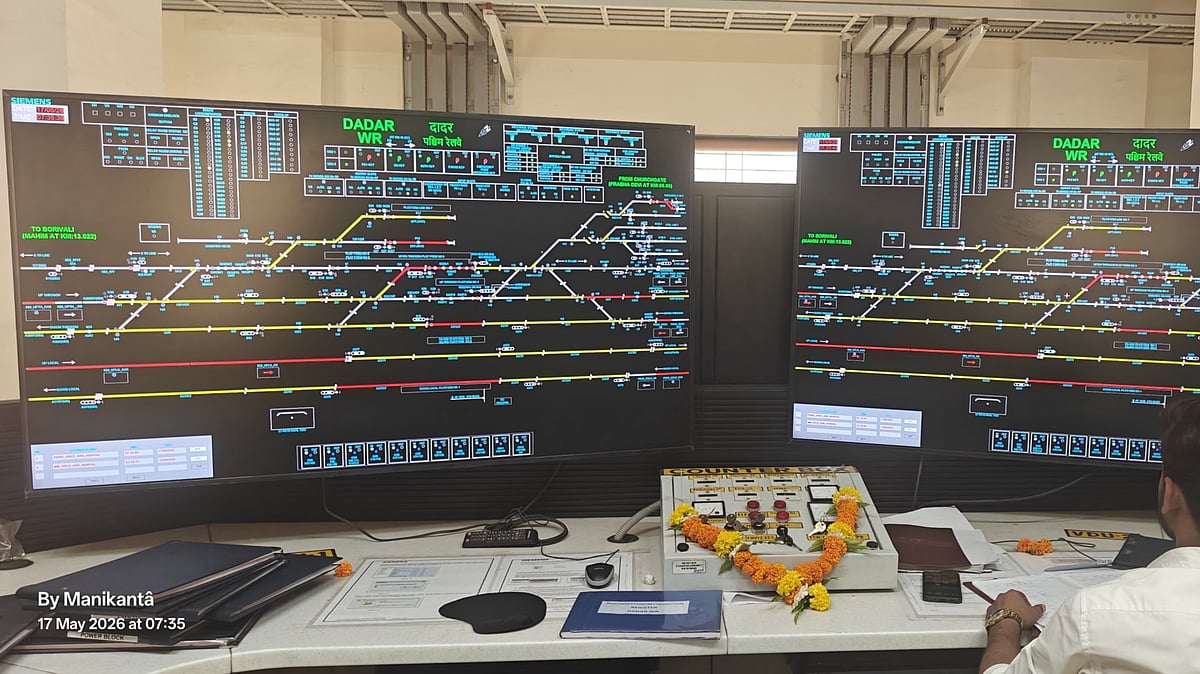
Mumbai's suburban railway network has achieved a significant milestone with the successful commissioning of the advanced Siemens WESTRACE MK2 Electronic Interlocking system at Dadar Railway Station. This modernisation is expected to improve safety, operational reliability, and train movement efficiency across the network.
Dadar Railway Station, one of Mumbai's busiest transport hubs, serves as a key interchange connecting Western Railway, Central Railway, and the city's expanding Metro network. The station handles lakhs of commuters daily and plays a crucial role in linking Mumbai's northern and southern regions. The conventional Panel Interlocking system, which had been functioning at the station since April 1992, has been replaced by the new Electronic Interlocking system.
The newly installed Electronic Interlocking system features a distributed architecture and includes 103 operational routes. Railway officials believe that this upgrade will significantly improve operational safety, reliability, flexibility, and maintenance efficiency. The advanced system will enable more efficient and safe train movement, reducing the risk of accidents and improving overall network performance.
The introduction of the Electronic Interlocking system is part of the ongoing efforts to modernise Mumbai's suburban railway network. The network, which carries millions of passengers daily, requires continuous upgrades to ensure safe and efficient operations. The new system will enable real-time monitoring and control of train movements, allowing for quicker response times and more efficient traffic management.
The modernisation of Dadar Railway Station is also expected to have a positive impact on the environment. With more efficient train movement and reduced congestion, the new system will help reduce energy consumption and lower emissions. This is in line with the Indian Railways' goal of reducing its carbon footprint and promoting sustainable development.
The upgrade is a significant step towards improving the overall passenger experience in Mumbai's suburban railway network. With improved safety, efficiency, and reliability, commuters can expect a better travel experience. The modernisation of Dadar Railway Station is a testament to the ongoing efforts to enhance the city's transportation infrastructure and provide world-class services to its citizens.
The Indian Railways has been investing heavily in modernising its infrastructure, with a focus on improving safety, efficiency, and passenger experience. The introduction of advanced technologies such as the Electronic Interlocking system is a key part of this effort. As the rail network continues to evolve, it is likely that we will see more advanced technologies being introduced to enhance operations and improve the passenger experience.
Summary Points
The new Electronic Interlocking system at Dadar Railway Station features a distributed architecture and includes 103 operational routes.
The upgrade is expected to significantly improve operational safety, reliability, flexibility, and maintenance efficiency.
The modernisation is part of the ongoing efforts to modernise Mumbai's suburban railway network and improve the overall passenger experience.
The new system will enable real-time monitoring and control of train movements, allowing for quicker response times and more efficient traffic management.
The modernisation of Dadar Railway Station is expected to have a positive impact on the environment, with reduced energy consumption and lower emissions.