£10 Million Revamp for London's Iconic Royal Festival Hall
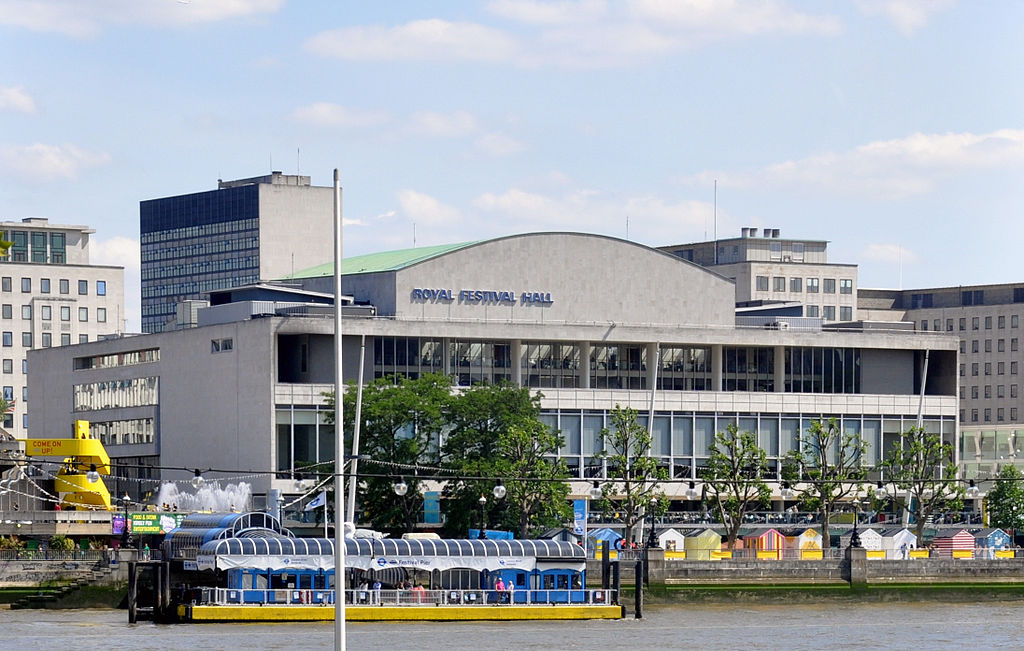
London's renowned Royal Festival Hall is set to undergo a significant £10 million repair and maintenance scheme, led by the esteemed architectural firm Haworth Tompkins. This project is part of a larger £30 million government funding package allocated to London's cultural venues, museums, and libraries, aiming to ensure the long-term viability of these institutions.
The Royal Festival Hall, which celebrates its 75th anniversary this year, has been a cornerstone of London's cultural scene since its inauguration in 1951. Originally designed by LCC architects Leslie Martin, Robert Matthew, and Peter Moro as the centrepiece of the 1951 Festival of Britain, the hall has undergone several transformations over the years. The most notable being the 2007 renovation by Allies and Morrison, which removed later additions to the building and upgraded internal and external spaces, staying true to the original design principles.
The upcoming refurbishment will focus on the roof of the 1950s building, as well as improvements to drainage and technical systems. This critical work will guarantee the venue remains operational for years to come, hosting a diverse range of cultural events and activities. Haworth Tompkins, the firm behind the award-winning Everyman Theatre project, which reused 90% of materials from the original 1964 building, is well-equipped to lead this project, bringing their expertise in retrofit schemes and commitment to sustainability.
The funding for this project is part of the England-wide Arts Everywhere Fund, a £1.5 billion initiative that has allocated grants to 130 organisations across England in its first round. The majority of the funds for the Royal Festival Hall refurbishment come from the Creative Foundations Fund, which supports repair and upgrade works at galleries, theatres, and event spaces. This investment underscores the government's commitment to preserving and enhancing the country's cultural infrastructure.
Elaine Bedell, Chief Executive Officer of the Southbank Centre, emphasized the significance of this funding, stating that 'great art needs great infrastructure.' The investment will enable the centre to address pressing maintenance issues, such as leaking roofs and failing glazing, and modernize its rigging systems. This, in turn, will allow the Royal Festival Hall to continue delivering world-class cultural experiences, driving growth in the UK's creative economy, and fostering community engagement.
The impact of this refurbishment project extends beyond the Royal Festival Hall itself, contributing to the vibrancy and richness of London's cultural landscape. As Michelle Walker, London Area Director for Arts Council England, noted, 'These spaces are the backbone of our city, where communities come together.' The Royal Festival Hall, alongside other cultural venues like the Royal Opera House and the Theatre Royal Stratford East, which have also received funding, plays a vital role in safeguarding the future of cultural venues, museums, and libraries in London.
As the project progresses, it will be exciting to see how Haworth Tompkins brings its vision to life, balancing the need for modernization with the preservation of the Royal Festival Hall's historical significance and architectural integrity. This refurbishment is not merely a maintenance project but an opportunity to ensure that this iconic venue remains a thriving hub of cultural activity for generations to come.
Summary Points
Haworth Tompkins has been commissioned to lead the £10 million refurbishment of the Royal Festival Hall.
The project focuses on roof repairs, drainage improvements, and technical system upgrades to ensure the venue's long-term viability.
The funding is part of the £1.5 billion England-wide Arts Everywhere Fund, with the majority coming from the Creative Foundations Fund.
The Royal Festival Hall's refurbishment is part of a larger effort to preserve and enhance London's cultural infrastructure.
The project aims to balance modernization needs with the preservation of the hall's historical and architectural significance.