Silicon Valley Divided: The Great AI Debate and Its Implications for Global Tech Supremacy
Silicon Valley, the cradle of technological innovation, is currently embroiled in a heated debate over the future of artificial intelligence (AI) development. At the heart of this argument lies a fundamental philosophical divide between two camps: those who advocate for the tight control of AI models for safety reasons, and those who believe in the importance of open-source AI models for fostering innovation and advancement.
The former camp, led by prominent AI companies such as Anthropic and OpenAI, asserts that AI models are too dangerous to be developed in the open and must be strictly controlled to prevent potential misuse. On the other hand, industry giants like Microsoft and Nvidia argue that open-source AI models are essential for the healthy development of the AI ecosystem, allowing for shared knowledge, collaborative innovation, and the creation of new businesses.
This debate has recently escalated, with key figures from both sides publicly expressing their views. Jensen Huang, CEO of Nvidia, and Satya Nadella, CEO of Microsoft, have both come out in support of open-source AI models, emphasizing their importance for advancing AI technology. Their stance is backed by a letter signed by executives from Meta, Palantir, and IBM, further solidifying the position of the open-source advocates.
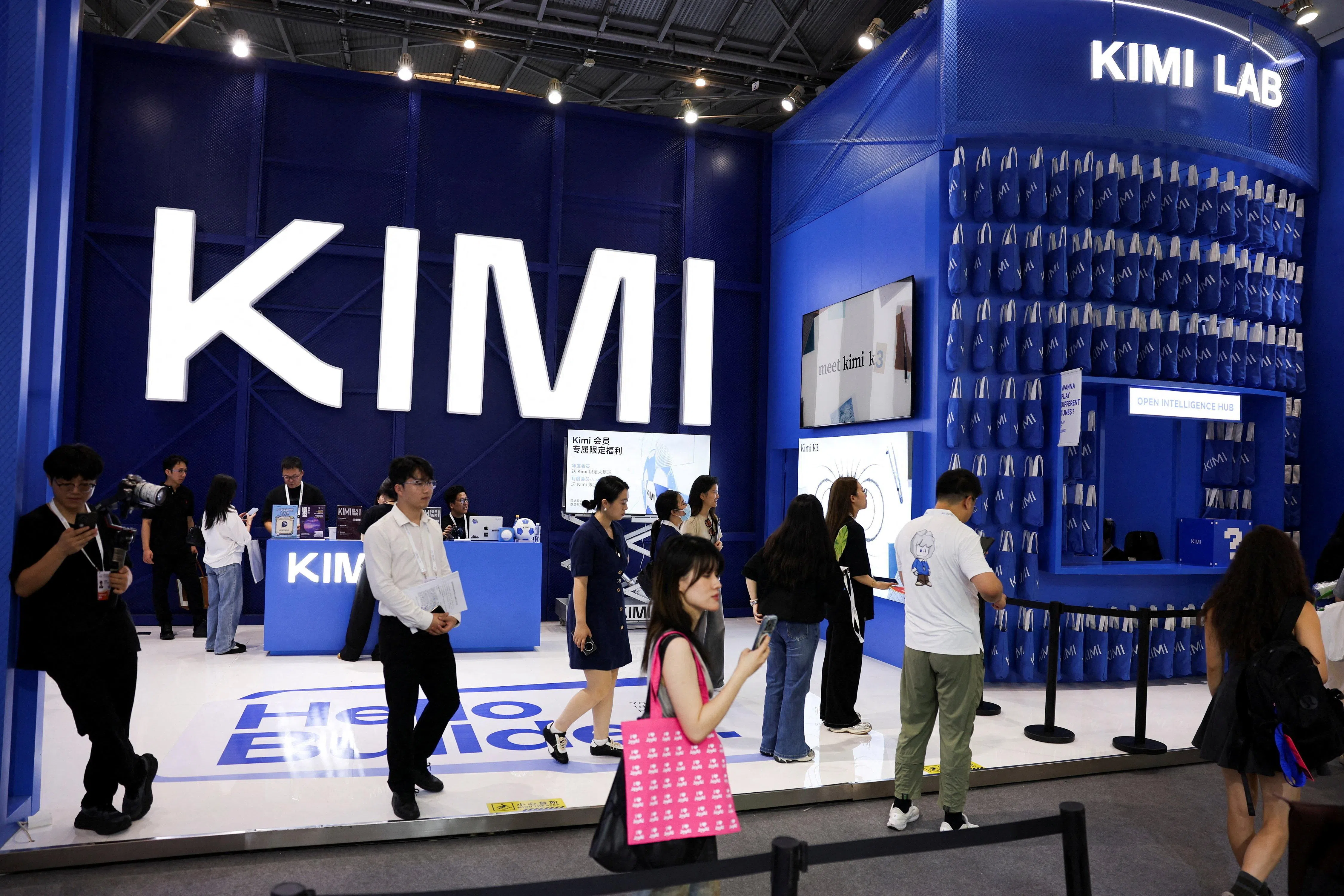
Meanwhile, Anthropic and OpenAI have been lobbying regulators in Washington, raising concerns about the potential risks associated with Chinese open-source AI models. These concerns are rooted in the rapid progress China has made in AI development, partly due to its embrace of open-source technologies. Chinese AI startups, such as Z.ai and Moonshot AI, have released models that rival those developed by American labs, sparking accusations of improper data harvesting and intellectual property theft.
The involvement of high-ranking U.S. officials, including U.S. Treasury Secretary Scott Bessent and President Donald Trump’s science and technology adviser, Michael Kratsios, highlights the gravity of this issue. The U.S. administration is considering imposing sanctions on Chinese companies found to be stealing intellectual property from American firms, underscoring the national security implications of this debate.
The fate of open-source AI development has significant implications not only for the U.S. tech industry but also for the global race to dominate AI technology. As China continues to catch up with the U.S. in AI development, the approach taken by Silicon Valley will play a crucial role in determining the future of this powerful technology. The embrace of open-source AI models by China has allowed its labs to improve rapidly, share systems publicly, and attract clients worldwide with competitive pricing.
For Silicon Valley startup founders, the potential constraints on open-source software could have far-reaching consequences, potentially cementing the lead of OpenAI and Anthropic in the AI sector. This could unfairly stifle competition and hinder innovation, as critics argue that such restrictions would favor established players over new entrants.
As the world watches the unfolding debate in Silicon Valley, one thing is clear: the future of AI development hangs in the balance. The path chosen by the U.S. and its tech industry will have profound implications for global technological supremacy, economic growth, and national security. The question remains: will the pursuit of innovation and open collaboration prevail, or will the desire for control and protectionism dictate the course of AI development?
Summary Points
The AI debate in Silicon Valley revolves around the control of AI models, with some advocating for tight control for safety and others supporting open-source models for innovation.
Key figures such as Jensen Huang and Satya Nadella have publicly expressed support for open-source AI models, citing their importance for advancing AI technology.
Chinese AI startups have made significant progress, releasing models that rival those of American labs, and have been accused of improper data harvesting and intellectual property theft.
The U.S. administration is considering imposing sanctions on Chinese companies found to be stealing intellectual property from American firms, highlighting national security concerns.
The outcome of this debate will have significant implications for the global race to dominate AI technology, with the potential to impact technological supremacy, economic growth, and national security.