Rare Crested Ibises Take Flight in Japan Decades After Extinction: A Conservation Triumph
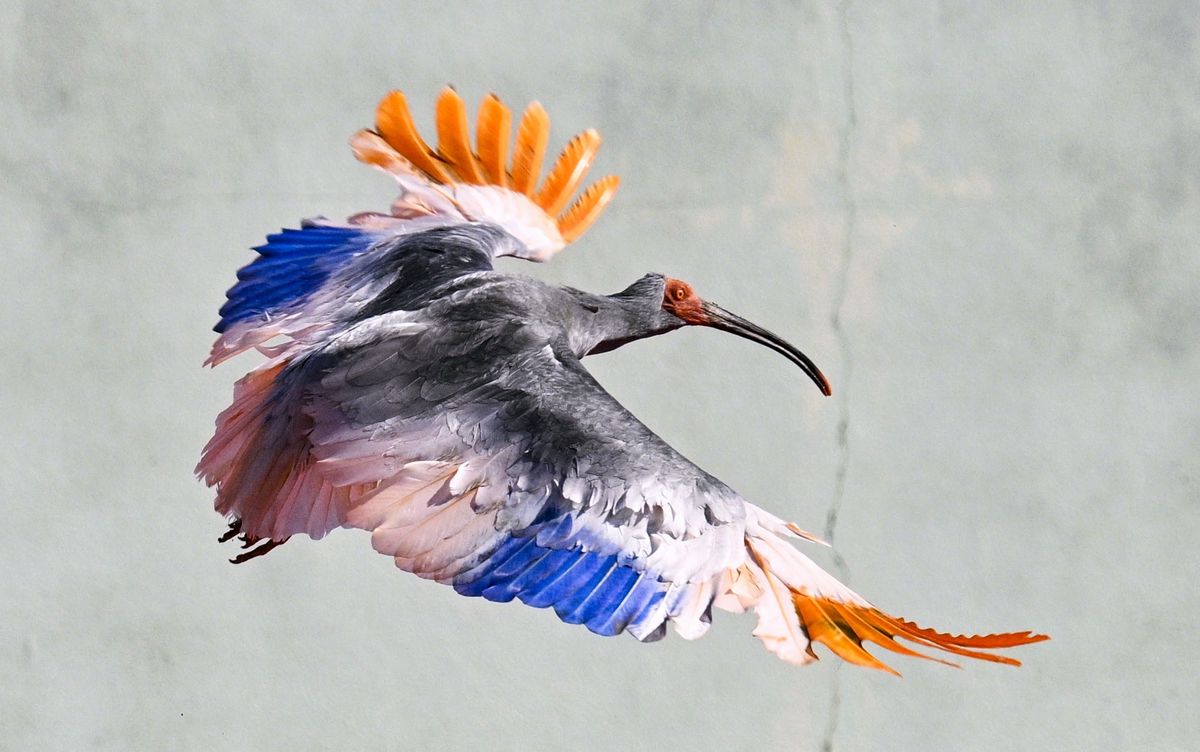
In a heartwarming conservation success story, eight crested ibises, known as Toki in Japan, have been released into the wild in the north-central Japanese town of Hakui, marking a significant milestone in the recovery of a species that had been extinct in the country for decades. The ceremony, attended by Crown Prince Akishino, his wife Kiko, and other officials, took place on Sunday in the Noto region, where the birds were last seen in their natural habitat.
The release of these magnificent birds, renowned for their striking orange-pink hues under their wings and bright red marks around their eyes, is the result of a collaborative conservation effort between Japan and China. Following a successful captive-breeding program on Sado Island in the neighboring prefecture of Niigata, ten more birds are awaiting release, underscoring the progress made in restoring the population of this endangered species.
The crested ibis, native to East Asia, had faced severe threats, including overhunting and environmental degradation, which led to its extinction on the Honshu main island in the 1970s. The last remaining Japanese native ibis died in 2003 on Sado Island, a devastating blow to conservation efforts. However, with China's support, artificial breeding programs were initiated, and in 1999, the first Japanese crested ibis chick was born in captivity, marking a pivotal moment in the species' revival.
Since then, the breeding and conservation efforts have continued to yield positive results. In 2008, ten birds raised at the Sado conservation center were released into the wild on the island, where their population has steadily increased to around 500, according to the Environment Ministry. This latest release in Hakui city not only signifies a major achievement for conservationists but also serves as a beacon of hope for the Noto region, which is still recovering from the devastating 2024 earthquake.
The return of the crested ibises to the skies of Japan is a testament to the power of international cooperation and dedicated conservation work. As the world grapples with the challenges of environmental degradation and species extinction, the story of the crested ibis offers a compelling example of what can be achieved through concerted efforts to protect and preserve our natural heritage. With continued support and commitment, it is possible to revive and safeguard the future of this majestic species and many others like it.
The release of the crested ibises also highlights the critical role that conservation centers and breeding programs play in the recovery of endangered species. These initiatives not only provide a safe environment for the birds to thrive but also facilitate the exchange of knowledge, expertise, and resources between countries, ultimately contributing to the long-term sustainability of conservation efforts.
As the people of Hakui city and the Noto region welcome the return of the crested ibises, they are not only celebrating the revival of a beloved species but also acknowledging the importance of preserving the natural beauty and biodiversity of their community. The successful reintroduction of the crested ibises serves as a powerful reminder of the interconnectedness of human and environmental well-being, underscoring the need for continued dedication to conservation and sustainable practices.
In conclusion, the release of the crested ibises in Japan marks a significant milestone in the conservation of this endangered species and serves as a powerful symbol of hope and resilience. As we move forward, it is essential to continue supporting and amplifying conservation efforts, both in Japan and around the world, to ensure the long-term protection and preservation of our planet's precious biodiversity.
Summary Points
Eight crested ibises have been released into the wild in Hakui city, Japan, marking a significant milestone in the recovery of the species.
The release is the result of a collaborative conservation effort between Japan and China, which has included a successful captive-breeding program on Sado Island.
The crested ibis had been extinct in Japan for decades due to overhunting and environmental degradation, but conservation efforts have led to a steady increase in the population.
The return of the crested ibises to the skies of Japan serves as a beacon of hope for the Noto region, which is still recovering from the devastating 2024 earthquake.
The successful reintroduction of the crested ibises highlights the importance of continued dedication to conservation and sustainable practices, both in Japan and around the world.