Dame Dash Criticizes Jay-Z's Yankee Stadium Concerts: 'More Marketing Than Music'
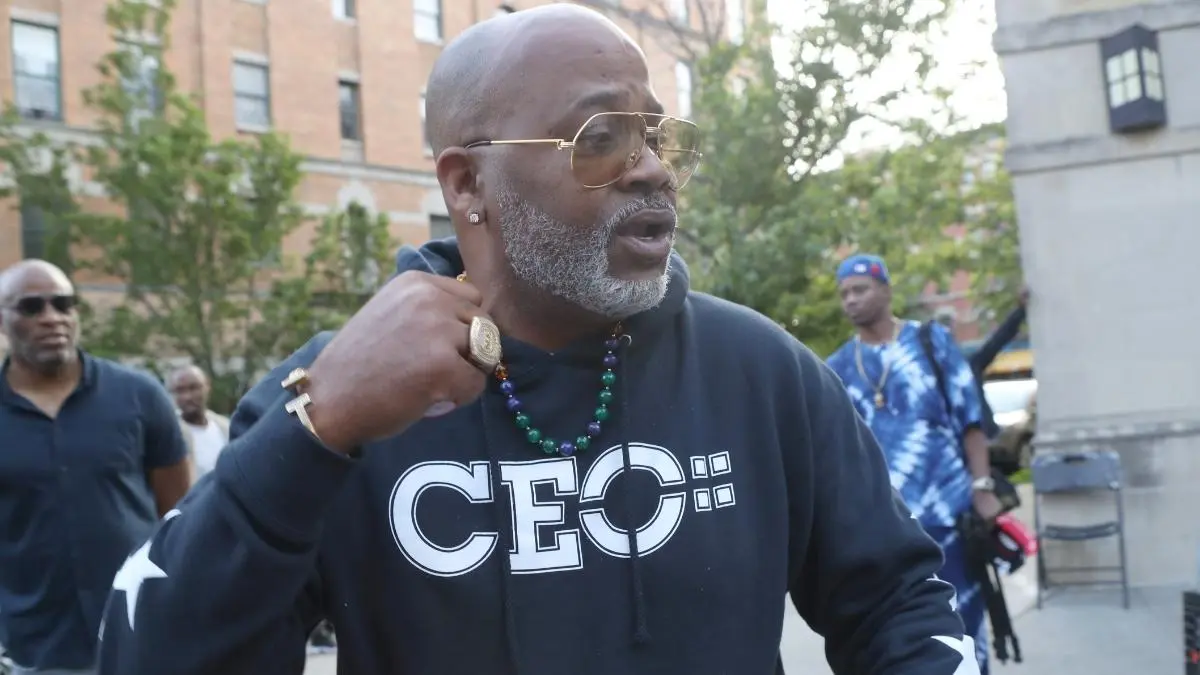
In a recent interview on The Art of Dialogue, Dame Dash expressed his disappointment and disillusionment with Jay-Z's Yankee Stadium concerts, which were held to mark the 30th anniversary of Jay-Z's debut album, Reasonable Doubt. According to Dash, the shows were overly commercialized, with a plethora of merchandise and promotional material that overshadowed the music itself.
Dame Dash, the co-founder of Roc-A-Fella Records, questioned the emphasis on Yankees branding throughout the concerts, suggesting that the events felt more like a well-plotted marketing campaign than a genuine celebration of Jay-Z's debut album. Dash also criticized the cinematic opening sequence, which featured Beyoncé shaving Jay-Z's head, deeming it unconvincing and contrived.
The music executive's comments may be perceived as biased, given his long-standing feud with Jay-Z. The two co-founded Roc-A-Fella Records in the mid-1990s but have since been embroiled in a series of public disputes and business disagreements. Nevertheless, Dash's remarks highlight the fine line between artistic expression and commercial exploitation in the music industry.
Jay-Z's Yankee Stadium residency was a highly anticipated event, featuring surprise appearances from notable artists such as Beyoncé, Rihanna, Nas, Eminem, and Pharrell. The shows were widely publicized, with many hailing them as one of the biggest live music events of the summer. However, Dame Dash's criticisms have sparked a debate about the role of commercialization in the music industry and the impact it has on the artistic experience.
The history between Dame Dash and Jay-Z is complex and multifaceted, with both parties having made significant contributions to the music industry. Roc-A-Fella Records was instrumental in launching the careers of Jay-Z, Kanye West, and other notable artists. However, the label's eventual demise was marked by tension and controversy, with Dash and Jay-Z engaging in a series of public feuds and lawsuits.
Despite the criticism, Jay-Z's Yankee Stadium concerts have been widely praised for their production value and energetic performances. The shows featured a range of songs from Jay-Z's extensive discography, including hits from Reasonable Doubt, as well as more recent releases. The concerts also highlighted the enduring influence of Jay-Z's music, with many regarding him as one of the most successful and innovative artists of his generation.
In conclusion, Dame Dash's comments on Jay-Z's Yankee Stadium concerts have sparked a lively debate about the intersection of art and commerce in the music industry. While the shows were undoubtedly a commercial success, Dash's criticisms raise important questions about the role of marketing and merchandise in live music events. As the music industry continues to evolve, it is essential to consider the impact of commercialization on the artistic experience and the ways in which it can be balanced with the need to generate revenue and promote artists' work.
The controversy surrounding Jay-Z's Yankee Stadium concerts serves as a reminder of the complexities and challenges involved in staging large-scale live music events. As the music industry continues to navigate the demands of commercialization and artistic expression, it is crucial to prioritize the needs and expectations of both artists and audiences. By striking a balance between these competing interests, it is possible to create live music experiences that are both financially successful and artistically fulfilling.
Summary Points
Dame Dash criticized Jay-Z's Yankee Stadium concerts for being overly commercialized and focusing more on marketing than music
The concerts were held to mark the 30th anniversary of Jay-Z's debut album, Reasonable Doubt, and featured a range of merchandise and promotional material
Dame Dash questioned the emphasis on Yankees branding throughout the concerts, suggesting that it felt like a well-plotted marketing campaign
The music executive also criticized the cinematic opening sequence, which featured Beyoncé shaving Jay-Z's head, deeming it unconvincing and contrived
The controversy surrounding Jay-Z's Yankee Stadium concerts highlights the fine line between artistic expression and commercial exploitation in the music industry