Ebola Outbreak in Congo: UN Warns of Further Spread as Infected Bodies are Transported Across the Country
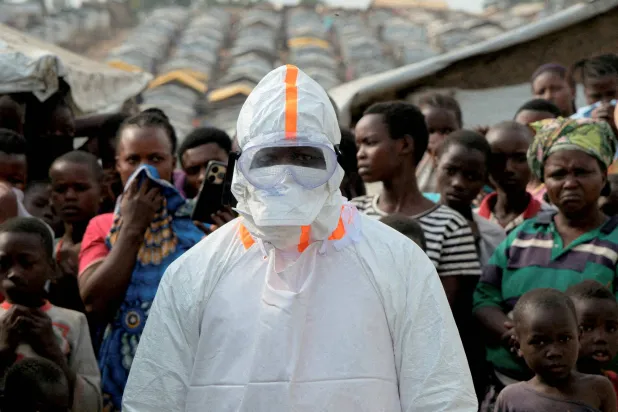
The Democratic Republic of Congo is currently grappling with a severe Ebola outbreak, which has already claimed over 700 lives and infected more than 2,000 people. The situation is further complicated by the practice of transporting dead bodies across different areas of the country, often for funerals in their home communities. This has raised concerns among health officials, who warn that such movements could lead to further spread of the deadly virus.
According to the International Organization for Migration (IOM), around two-thirds of the deaths have occurred outside clinics or hospitals, highlighting the need for more effective community-based interventions. The often fatal viral disease spreads through direct contact with bodily fluids from infected people or animals and causes symptoms such as high fever, vomiting, and internal and external bleeding. The current epidemic is caused by the Bundibugyo strain of the virus, which remains highly infectious even after death.
Funeral practices have become a critical component of outbreak control, as they can either help prevent the spread of the virus or exacerbate it. Andrew Mbala, an official from IOM, emphasized the importance of managing dead bodies properly and engaging with the community to prevent further spread. 'If we don't really manage the dead bodies well, if we don't engage the community... then it means there will be more spread within the community,' he warned.
The IOM has identified the transport of bodies across districts within Congo as a particular challenge. Families often want to bury their relatives in their home communities, which can lead to the movement of infected bodies across the country. While there have been no reported cases of dead bodies being transported to other countries, the movement of bodies within Congo poses a significant risk of spreading the virus to new areas if proper safety protocols are not followed.
The current Ebola outbreak in Congo is not the first instance of the virus affecting the country. The disease was first identified in 1976 in the village of Yambuku, near the Ebola River, from which it got its name. Since then, there have been several outbreaks in the region, with the most severe one occurring in 2014-2016 in West Africa, which claimed over 11,000 lives. The World Health Organization (WHO) has been working closely with local authorities and health organizations to contain the outbreak and prevent further spread.
In addition to the health risks, the Ebola outbreak has also had significant economic and social impacts on the affected communities. The movement of people and goods has been restricted, leading to shortages of essential supplies and disrupting trade. The outbreak has also affected the education sector, with many schools being closed to prevent the spread of the virus. The international community has been providing support to the affected countries, including financial assistance, medical supplies, and personnel.
In conclusion, the Ebola outbreak in Congo is a complex and challenging situation that requires a comprehensive and coordinated response. The transport of infected bodies across the country poses a significant risk of further spreading the virus, and it is essential that proper safety protocols are followed to prevent this. The international community must continue to provide support to the affected countries, including financial assistance, medical supplies, and personnel, to help contain the outbreak and prevent further spread.
The situation in Congo highlights the need for more effective community-based interventions and the importance of engaging with local communities to prevent the spread of the virus. It also underscores the importance of global cooperation and support in responding to public health emergencies. As the situation continues to evolve, it is essential that we remain vigilant and take all necessary measures to prevent the further spread of the virus.
The IOM and other health organizations are working tirelessly to support the affected communities and prevent further spread of the virus. However, more needs to be done to address the root causes of the outbreak and to strengthen the health systems in the affected countries. This includes investing in healthcare infrastructure, training healthcare workers, and promoting community-based interventions.
In the short term, it is essential that we focus on containing the outbreak and preventing further spread of the virus. This requires a coordinated response from local authorities, health organizations, and the international community. In the long term, we need to work towards strengthening the health systems in the affected countries and promoting community-based interventions to prevent similar outbreaks in the future.
The Ebola outbreak in Congo is a stark reminder of the importance of global cooperation and support in responding to public health emergencies. It highlights the need for more effective community-based interventions and the importance of engaging with local communities to prevent the spread of the virus. As we move forward, it is essential that we remain vigilant and take all necessary measures to prevent the further spread of the virus and to support the affected communities.
Summary Points
The Ebola outbreak in Congo has already claimed over 700 lives and infected more than 2,000 people.
The transport of infected bodies across the country poses a significant risk of further spreading the virus.
Funeral practices have become a critical component of outbreak control, and proper safety protocols must be followed to prevent the spread of the virus.
The international community must continue to provide support to the affected countries, including financial assistance, medical supplies, and personnel.
The situation in Congo highlights the need for more effective community-based interventions and the importance of engaging with local communities to prevent the spread of the virus.
