Revolutionizing Public Transport: GPS and CCTV to Become Mandatory
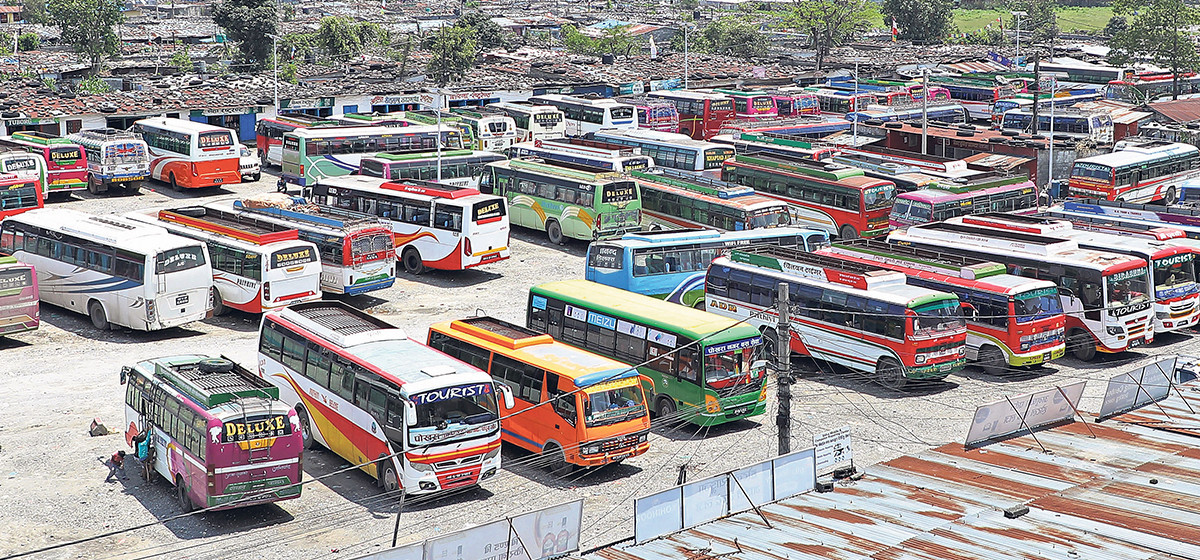
In a move to modernize and regulate the public transport sector, the government is set to make GPS tracking and CCTV cameras mandatory in all public vehicles. This initiative, spearheaded by the Ministry of Physical Infrastructure and Transport, aims to enhance safety, efficiency, and passenger experience. The new directive, expected to be finalized next week, will make public transport more technology-enabled and accountable.
The proposed rules require all public vehicles to install GPS systems with geofencing, overspeed alerts, ignition status tracking, and route information. The Department of Transport Management will provide technical support and set up a central control room to monitor operations in real-time. Vehicle owners, drivers, and operators will be responsible for maintaining these systems, ensuring that they are always functional and up-to-date.
CCTV cameras will also be mandatory, with at least two cameras required in each vehicle, except for taxis. These cameras will record all onboard activities and store data for at least 3 months. The system will utilize AI-based features, including passenger counting and facial recognition, to monitor driver behavior, fatigue, and negligence. Real-time data transmission to a central control room through internet connectivity will enable authorities to respond promptly to any incidents or emergencies.
The directive also mandates a shift to digital ticketing and payments, making it easier and more convenient for passengers to travel. Operators of both short- and long-distance routes will be required to adopt mobile apps or similar systems for ticket sales, with payments made through government-approved gateways or QR codes. This move is expected to streamline services, reduce queues, and minimize the risk of fraud.
To further enhance the passenger experience, authorities plan to develop an integrated digital platform covering multiple modes of transport, including buses, taxis, and motorcycles. This platform will provide passengers with real-time information on schedules, routes, and fares, making it easier for them to plan their journeys. Electronic ticketing will also extend to traffic fines and penalties, with digital challans including details such as date, time, nature of the violation, payable amount, and payment status.
Safety measures feature prominently in the new directive. All vehicles must carry fire extinguishers based on seating capacity and a first aid kit, with drivers and staff required to have basic training. An emergency SOS button must be installed to send real-time alerts with location data to a central system in case of accidents, health issues, or security threats. The directive also outlines strict conduct rules, with drivers and conductors expected to behave politely and ensure a women-friendly environment, including reserved seating.
The government's broader reform agenda aims to digitize and standardize public transport, making it more efficient, safe, and passenger-friendly. The new directive will replace existing guidelines and is expected to have a significant impact on the public transport sector. With the introduction of GPS tracking and CCTV cameras, authorities will be able to monitor and regulate public transport more effectively, reducing the risk of accidents and incidents.
Summary Points
All public vehicles must install GPS systems with geofencing, overspeed alerts, and route information
CCTV cameras will be mandatory, with at least two cameras required in each vehicle, except for taxis
Digital ticketing and payments will be introduced, with operators required to adopt mobile apps or similar systems
An integrated digital platform will be developed to cover multiple modes of transport, including buses, taxis, and motorcycles
Safety measures will include fire extinguishers, first aid kits, and emergency SOS buttons