India's Economic Growth Threatened by Private Investment Drought
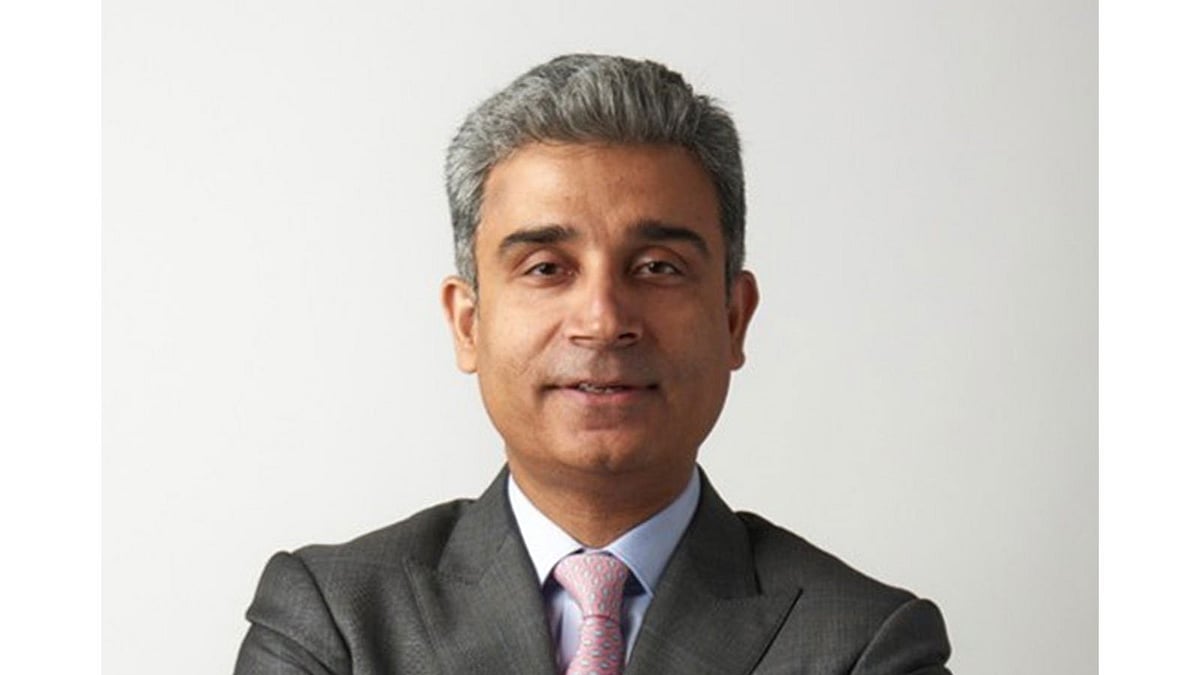
India's economic landscape is at a critical juncture, navigating through a complex web of patchy corporate investments, localized consumption booms, and structural tech shifts that are forcing legacy industries to rewrite their growth strategies. According to Nitin Bhasin, Head of Institutional Equities at Ambit Institutional Equities, the country's economic momentum is under threat due to a private investment drought.
Bhasin emphasized that private capital expenditure remains patchy, and the government needs to support the private sector not only with infrastructure development but also with ease of doing business and factor reforms such as electricity, land, and labor. This, he believes, will reignite the animal spirits of both Indians and global foreign direct investment (FDI) money. The private sector cannot create capacity without global market integration, and if these factors of production are not addressed, they will hold back economic growth.
The recent slide of the Indian Rupee has been characterized as a brief, oversold snap reaction compounded by the West Asia war. On a long-term CAGR basis, the decline has been close to 3.5 percent. However, Bhasin projected recovery ahead, stating that the next 12 months could be very different, with the potential for the Rupee to recover. Swayamsiddha Panda noted that the Rupee faces structural pressure toward the 96-98 range due to steady FDI outflows.
To counter this liquidity crunch, the government lifted interest caps on NRI deposits, which could attract USD 20-50 billion via these leveraged deposits, boosting domestic bank liquidity and helping the RBI rebuild core FX reserves. On the domestic front, Panda flagged that El Nino and weak rural demand present major income risks, with state governments bearing the direct fiscal brunt of populist remedies like loan waivers and cash transfers, which are stretching state deficits.
Evaluating the domestic consumption story, Bhasin cautioned that white-collar debt is maxed out, making India's economy way too dependent on urban cities. Growth must increasingly rely on Tier 2 to 6 cities through interconnected rural infrastructure. Regarding regional expansion in Eastern India, Bhasin highlighted an encouraging surge in real estate and luxury consumption in Bihar and West Bengal, driven by improved law and order. However, he maintained a realistic timeline of 7-8 years for significant development.
Panda and Arora filled in the gaps by explaining that despite these localized consumption bumps, Eastern India remains decades behind Western hubs, and overcoming industrial friction will take another 10 to 20 years, continuing to drive outward labor migration. On market trends and capital outflows, Bhasin stated he does not believe in a straight crash but sees a more sideways to marginally lower market because earnings are highly concentrated in mega-banks.
Summary Points
Private investment drought threatens India's economic growth
Government support is necessary to reignite private sector investment
India's economic momentum is under threat due to patchy corporate investments
The Rupee faces structural pressure toward the 96-98 range due to steady FDI outflows
Regional expansion in Eastern India is expected to take 7-8 years for significant development
