India's Solar Revolution: Kerala Leads the Charge with Rooftop Energy
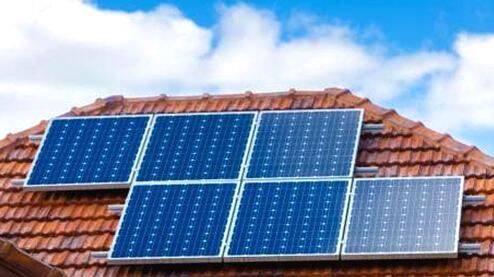
The world is finally waking up to the immense potential of solar energy, and India is no exception. As the country struggles to cope with the challenges of rising temperatures and increasing energy demands, the state of Kerala has emerged as a shining example of how solar power can be harnessed to meet our energy needs. In a significant milestone, Kerala has surpassed its hydropower capacity with solar energy, with the total installed capacity of solar power projects crossing 2215.59 MW as of March 31.
This achievement is all the more remarkable because it has been driven entirely by the people, with solar units installed on the rooftops of homes generating this electricity. The Kerala State Electricity Board, on the other hand, has been accused of placing restrictions on solar energy, citing weak justifications, while depending mainly on imported electricity. This approach has resulted in a staggering Rs 12,749.65 crore being spent on external electricity purchases during the 2024-25 fiscal year, with consumers bearing the brunt of this burden through surcharges on their bills.
The success of Kerala's solar energy program can be attributed to the central government's PM Surya Ghar Yojana, which provides attractive subsidies for installing solar plants in homes. A 3 kW solar system, which is usually enough to meet the electricity needs of an average household, costs around Rs 2 to Rs 2.25 lakh, but a subsidy of Rs 78,000 is available. This has encouraged more people to turn to rooftop solar systems, and the results are evident in the state's soaring solar energy capacity.
However, the Kerala State Electricity Board has been accused of discouraging solar adoption by citing issues such as a lack of transformer capacity to handle increased solar generation and a shortage of net meters required for households. Despite these challenges, the growing public interest in solar energy cannot be ignored. Battery Energy Storage Systems (BESS), which allow storing solar power for use at night, are beginning to be introduced in the state, and expanding this system could help address power shortages permanently.
Kerala's success in harnessing solar energy is a testament to the potential of renewable energy to drive growth and development in India. As the country continues to grapple with the challenges of climate change, energy security, and sustainable development, the importance of solar energy cannot be overstated. With the right support and policies in place, India can overcome the threat of electricity shortages and move towards a more sustainable energy future.
The Indian government has set ambitious targets for renewable energy, aiming to generate 40% of the country's power from non-fossil fuels by 2030. Kerala's achievement is a significant step towards achieving this goal, and it is hoped that other states will follow suit. As the world transitions to a low-carbon economy, India's solar revolution is an example of how emerging economies can leverage renewable energy to drive growth and development while reducing their carbon footprint.
Summary Points
Kerala has surpassed its hydropower capacity with solar energy, with the total installed capacity of solar power projects crossing 2215.59 MW
The success of Kerala's solar energy program can be attributed to the central government's PM Surya Ghar Yojana, which provides attractive subsidies for installing solar plants in homes
A 3 kW solar system, which is usually enough to meet the electricity needs of an average household, costs around Rs 2 to Rs 2.25 lakh, but a subsidy of Rs 78,000 is available
The Kerala State Electricity Board has been accused of discouraging solar adoption by citing issues such as a lack of transformer capacity to handle increased solar generation and a shortage of net meters required for households
Battery Energy Storage Systems (BESS), which allow storing solar power for use at night, are beginning to be introduced in the state, and expanding this system could help address power shortages permanently
